Blog

 Public
- 28 Oct, 2026
Android Studio Rabbit 2 Stable Release: Bring Your Own Agent and Improved XR Emulators
Android Studio Rabbit 2 has reached stable status, marking a significant shift toward flexible AI integration in the development workflow. The headline feature is Bring Your Own Agent, which allows developers to connect their preferred ACP-compliant coding agents directly to the IDE. This flexibility supports diverse needs, from cost efficiency and enterprise agreements to personal workflow preferences. Users can select from more than 40 available agents, such as Claude Agent, OpenAI Codex, Junie, and Google Antigravity. These agents gain direct access to essential Android Studio tools, including the Android Emulator, Build Systems, and Logcat, enabling them to execute complex tasks using specialized Android skills. To begin using this feature, developers can open the agent window and select their desired agent, or navigate to Settings > Tools > AI > Agents to authenticate and submit prompts.The release also stabilizes the Android XR Emulators for XR glasses, audio glasses, and display glasses. This simplifies building and testing XR applications directly from a laptop. The updated display glasses emulator allows customization of the environment using personal 360-degree photos or live video feeds from connected cameras, which helps test interaction with the physical environment realistically. New hardware LED indicators now visualize microphone and camera states, while improvements to the Pairing Wizard increase the speed and reliability of pairing virtual phones with virtual audio and display glasses. Developers can launch these emulators through the Device Manager to begin iterating on their XR applications.The new agent skills manager tool provides granular control over specialized workflows and procedural guidance available to AI agents. Android Studio comes with pre-loaded Android and Firebase agent skills, covering tasks like migrating legacy XML Views to Jetpack Compose, upgrading to AGP 9, implementing adaptive layouts for foldables and tablets, and integrating CameraX and Firebase services. Developers can manage these skills via the Skills editor tab in the Agent panel, by typing @ in the chat box, or through Settings > Tools > AI > Skills Manager. Additionally, LeakCanary is now directly integrated with the built-in agent to diagnose memory leaks. This integration offers narrative explanations of leak causes and suggests specific code changes, accessible via the LeakCanary task in the Profiler.For enterprise teams requiring strict data privacy and custom knowledge base integrations, full support for Gemini Enterprise has been available since Rabbit 1. It allows connections to design systems, internal SDKs, and private repositories. To address the bottleneck of reviewing AI-generated code, the new AI Change Review feature has been added. It identifies recommended fixes by independently reviewing agent changes, pending commits, or committed code. After addressing the fixes, users can start a guided walkthrough that groups and prioritizes related diff chunks into logical themes, accelerating the review process. This feature is accessible from three visual entry points or directly from the Agent chat window.

- Public
- 28 Oct, 2026
Android Dev Summit 2026: AI Agent-Powered Development Tools and Productivity Gains
Android Dev Summit 2026 emphasized the integration of AI agents into the Android development workflow, aiming to boost productivity for both developers and autonomous systems. Android Studio Rabbit 2 introduced stable support for Bring Your Own Agent (BYOA), allowing users to connect over 40 ACP-compatible coding agents directly within the IDE. This flexibility lets teams use their preferred AI models while retaining access to core Android Studio features: project structure analysis, symbol resolution, Compose Preview rendering, and Logcat. Users can install and switch between agents via the Settings menu, ensuring that new agent capabilities are available immediately upon release without losing the deep contextual understanding of the codebase that the IDE provides.For developers working in the terminal, Android CLI received significant updates to support autonomous agent operations. The new android device remote command allows agents to provision and connect to physical devices from secure Google labs, while android device hub offers a lightweight interface for managing local and remote devices without an IDE. A major efficiency gain comes from the android preview command, which renders Compose Previews without an emulator, enabling agents to verify UI changes visually. Internal tests showed that agents using this command completed UI tasks 77% faster while using up to 3x fewer tokens, significantly reducing the cost and time associated with iterative UI development and validation.The event also highlighted advancements in testing and migration tools, particularly for XR and modern UI frameworks. Stable emulators for XR, audio, and display glasses are now available, featuring customizable 360-degree environments and improved pairing wizards for virtual devices. To assist with the transition from XML Views to Jetpack Compose, the Migration Assistant in Android Studio Canary automates the conversion of layouts and logic into idiomatic Compose code. This agent-driven tool creates a migration plan, executes the conversion, and provides a progress timeline that saves state, allowing developers to pause and resume complex migration tasks seamlessly across different working sessions.Performance profiling and debugging have been enhanced with new integrations between Android Studio and Android CLI. LeakCanary is now accessible via the android profiler leakcanary subcommand, analyzing heap dumps on the host machine to avoid slowing down the app on the device. This approach enabled models to find and fix memory leaks nearly 2x faster with 25% fewer tokens in demo scenarios. Additionally, the Android Performance Analyzer powers the CLI profiler subcommand, allowing agents to capture system traces and analyze performance data. The new androidx.tracing 2.0 library adds source file and line number details to trace sections, making it easier for agents to correlate slow operations with specific code locations.The summit also introduced new tools for code quality and build management. The Android Bench 2.0 leaderboard evaluates LLMs on real-world Android tasks, grading solutions on functionality, cost, and time rather than just compilation success. For build systems, Lightbuild was presented as an early preview of a declarative, agent-ready build experience using a strict YAML schema. While still in early stages and recommended for experimental projects, Lightbuild offers fast syncing, schema validation, and reproducible builds. These tools, combined with official Android skills and plugins for agents like Claude and Codex, aim to provide a comprehensive ecosystem where AI agents can build, test, and optimize Android applications with greater autonomy and precision.
- Public
- 28 Oct, 2026
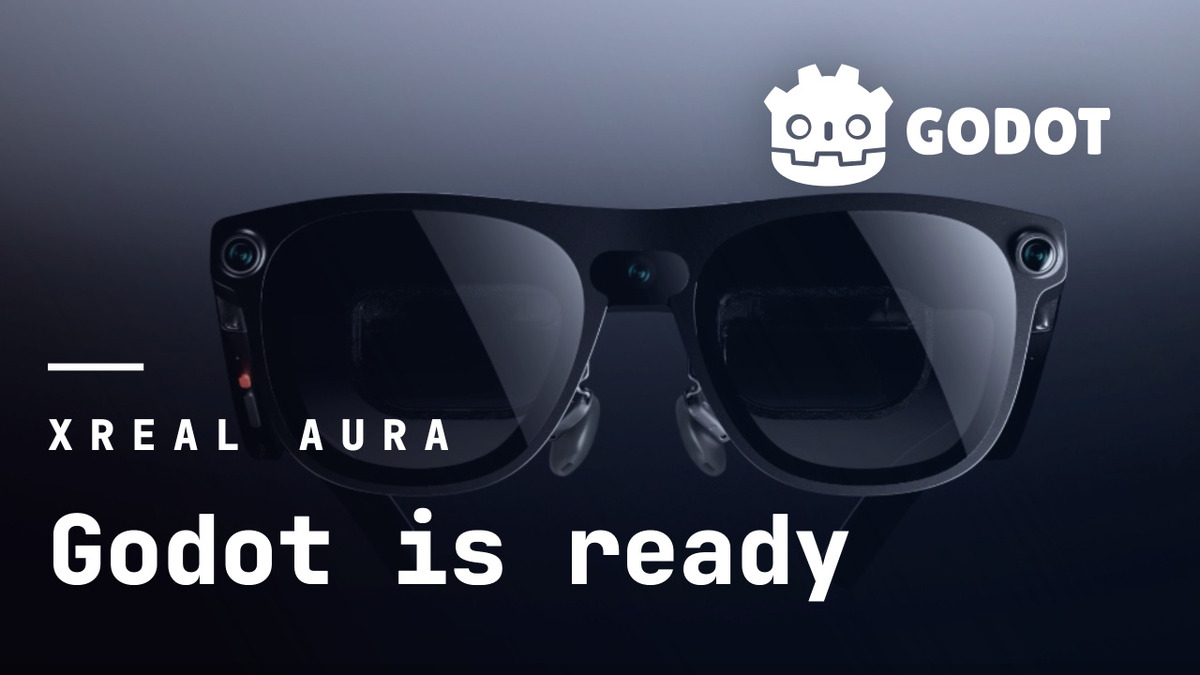
Godot Editor and Spatial Apps Arrive on XREAL AURA
XREAL AURA, the first optical see-through glasses on Android XR, has launched with Godot as part of the initial lineup. Developers can download the Godot editor and its companion app from Google Play to build, export, and publish spatial games and applications directly on the device. This setup provides a multi-window spatial workspace that mirrors the expected desktop features, allowing for flexible development environments that move with the user. The integration positions Godot as a key engine for leveraging the newest Android XR capabilities on this specific hardware platform.The engine introduces support for OpenXR Spatial Containers, which are system-managed volumes for displaying spatial content. These containers function similarly to traditional desktop windows but exist in 3D space, enabling applications to anchor content precisely where the user places it. On XREAL AURA, this technology works in tandem with hand tracking and a low-latency spatial display. The combination makes interactions feel natural and responsive, significantly lowering the barrier to entry for developers looking to create new spatial experiences or port existing 3D games without extensive re-engineering.The Godot Foundation, in partnership with Blender Studio and W4 Games, is demonstrating these capabilities by working on a spatial port of the game DOGWALK. The project highlights how easy it is to migrate existing 3D games to Spatial Containers on the new platform. The collaboration focuses on tackling specific engineering challenges and optimizations required for the spatial version. The teams are currently polishing the game for a release later this year, showcasing the practical application of the new Godot features in a real-world development scenario.

- Public
- 28 Oct, 2026
XREAL AURA launches with seven Unity-powered XR titles and improved tools for Android XR
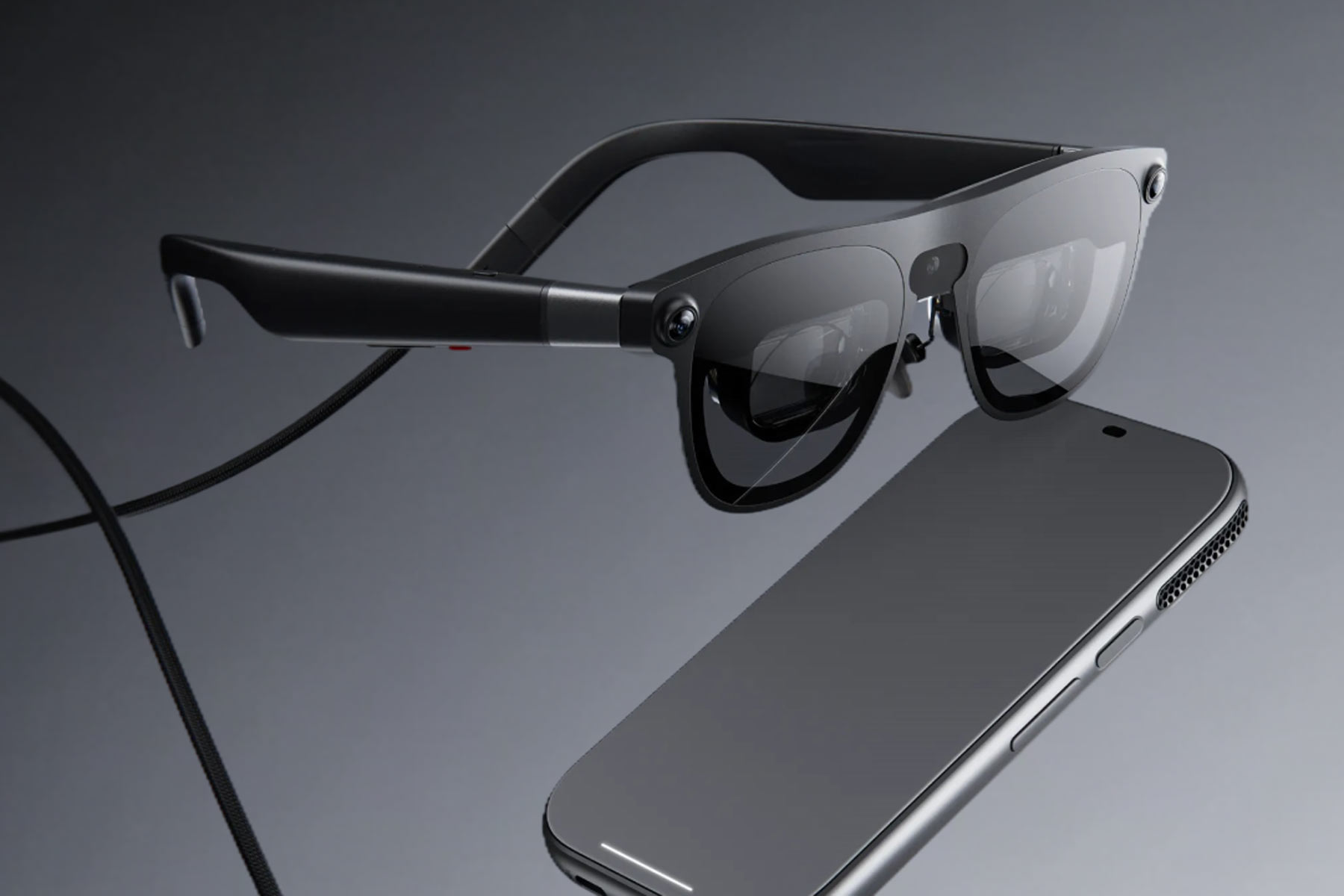
XREAL AURA has officially launched as the first pair of wired XR glasses powered by Android XR. They bring immersive gaming, mixed reality, and everyday utility together in a lightweight, portable form factor. This release is a significant milestone for the ecosystem, giving developers a new hardware target that supports a wide range of applications, from tabletop AR to fully immersive games. Unity's support for this device, first announced in June, has now materialized, with seven titles built or ported using the engine available on day one. The platform is designed to be accessible for both new projects and existing XR applications. Unity continues to invest in tools that streamline development for Android XR, including in upcoming versions such as Unity 6.7 and Unity 7.Among the launch titles is Hyper Visor from Owlchemy Labs, an XR arcade experience that transforms everyday surroundings into a reality-bending playground. Players use intuitive hand interactions to blast targets, battle bosses, and repair fractured realities. The development team highlighted that Unity's multiple physics scenes, URP, and OpenXR support were instrumental in creating the experience. A major time-saver was the prefab workflow, which, combined with a custom level-scripting system, allowed for rapid gameplay iteration without lengthy recompilation cycles. This efficiency is critical for studios aiming to quickly deliver polished, interactive experiences on new hardware.Demeo, a cooperative tabletop dungeon-crawling RPG by Resolution Games, is now available on XREAL AURA, demonstrating the power of Unity's cross-platform capabilities. The team noted that the port was surprisingly smooth thanks to the maturity of Unity's cross-platform XR foundation built on OpenXR. Reusable components managed through UPM carried across headsets without problems, and moving the project to URP provided the necessary mixed reality support. Devs United Games, who released Real VR Fishing, described a similar experience. They credited Unity's OpenXR support for making the port efficient: they were able to reuse existing gameplay and XR systems with minimal modifications. This significantly reduced platform-specific work and allowed them to focus on optimization and polish for the new device.VIRTUAL BEINGS introduced Forever Pets: Zen Cats, a title where players bond with virtual feline companions. The studio used Unity CLI to integrate AI coding agents, such as Claude Code and OpenAI Codex, directly into their Unity workflow. This integration allows the agents to make changes and check their work in the Editor, accelerating the testing of new ideas. Additionally, the team is enthusiastic about using Unity's Inference Engine to create unique, personalized pet interactions. These tools signal a shift toward more automated and AI-assisted development pipelines, enabling smaller teams to achieve a high level of complexity and interactivity in their XR applications.Foretell Games is bringing multiple titles to the platform, including the already available Enigmo and the upcoming real-time strategy wargame SwarmFleet. The studio's cross-platform pipeline lets them work from a single codebase for current and future VR platforms. Accessible tooling helps their small team move fast without fighting the engine. Meanwhile, Mirrorscape developed Fallout: Factions, a fast-paced two-player miniatures skirmish game set in Nuka-World. Players command raider crews, using gestures for ranged or melee combat. The studio noted that AR Foundation and the XR Interaction Toolkit made it easy to implement input gestures and bring their foundational AR architecture from mobile platforms to the new XR environment.
- Public
- 28 Oct, 2026
XREAL Aura: $1,100 Android XR Glasses with a Dual-Chip Compute Module
XREAL has officially launched the XREAL Aura, marking the debut of the first augmented reality glasses powered by Google's Android XR operating system. Priced at $1,100 for a limited introductory period, the device is now available for direct purchase from XREAL in the United States, Canada, Japan, and South Korea. While reservations opened in June, the initial shipment is scheduled to begin in mid-November. US customers can also order the device through Best Buy. By 2027, the company plans to expand retail availability to select Google Store locations in the US and Japan, along with other retailers.Courtesy XREALThe device is designed with comfort in mind: the glasses weigh less than 95 grams on the head. This is made possible by a tethered architecture: the display unit connects to a compact compute module. The module uses a split-compute approach: Qualcomm's Snapdragon Reality Elite chipset handles XR and AI workloads, while XREAL's proprietary X1S Spatial Coprocessor manages display and sensor data. Prism-style see-through optics provide a 70-degree field of view. Two frame sizes are available: Medium for an inter-pupillary distance of 60-66 mm and Large for 66-72 mm.Courtesy XREALFunctionally, the Aura supports six degrees of freedom tracking and hand tracking, enabling interactions similar to those on virtual reality headsets. As an Android XR device, it provides access to the standard Android ecosystem via the Play Store. To showcase the potential of the glasses form factor, the device will ship with over 150 experiences specifically designed for XR. These include: NBA App for Android XR, Nevatars, Fallout: Factions, Project Hail Mary: Journey Among the Stars, NASCAR XR App, Cubism, Chess Club, Simply Piano XR, and ShapexXR.Courtesy XREALTo complement the visual experience, XREAL is releasing new peripherals for productivity and gaming. A new gamepad, developed in collaboration with GameSir, features a dedicated Gemini key for quick access to an AI assistant during gameplay. It includes a charging dock, a replaceable d-pad (with two spare pieces), and a wireless USB-A dongle. Also being introduced is a wireless portable keyboard for multi-window workflows and general productivity tasks. Pricing for these accessories has not yet been announced; the company says it will share details as they become available.Courtesy XREAL
- Public
- 28 Oct, 2026
NVIDIA RTX Spark Laptops Expand the Ecosystem: New AI Models, Agent Tools, and Gaming Support
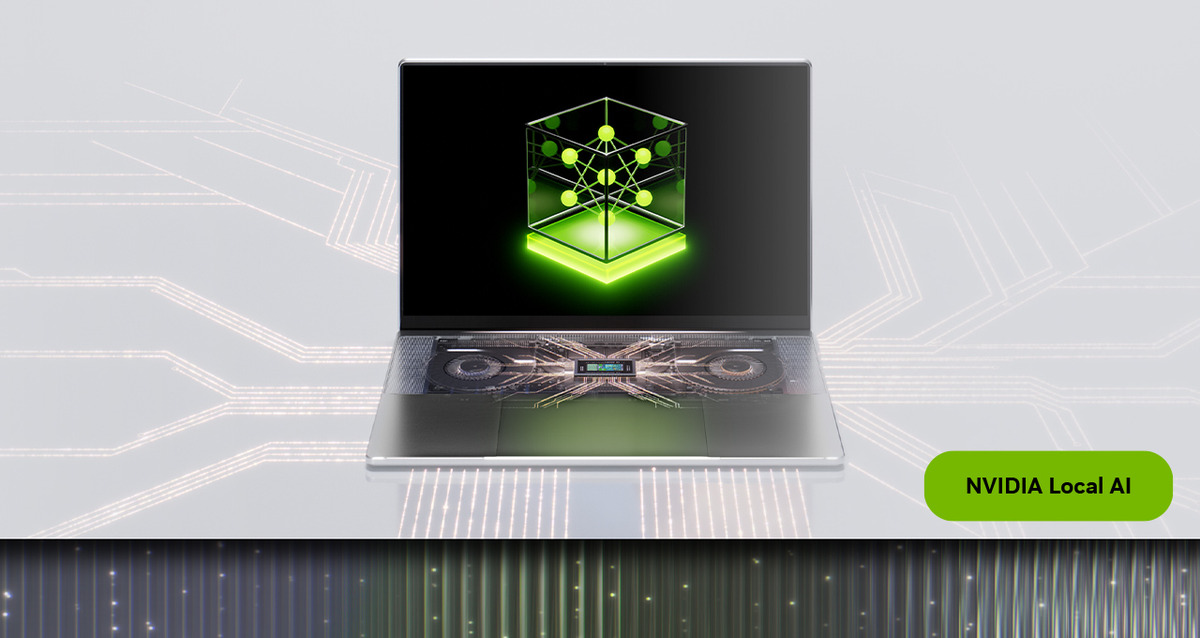
NVIDIA RTX Spark laptops are now available from ASUS, Dell, HP, Lenovo, Microsoft, and MSI, starting at $2,599. These systems integrate an NVIDIA Blackwell RTX GPU and Grace CPU into a single superchip featuring up to 128GB of unified memory and 1 petaflop of FP4 AI performance. This architecture allows premium Windows laptops to handle desktop-class workloads, including complex creative projects and AI inference, while maintaining portability, with designs as thin as 14mm and as light as three pounds. The unified memory pool ensures that both creative applications and AI models can access resources efficiently, even when the device is unplugged, offering developers and creators on the go all-day battery life.A major software update introduces NVIDIA Nemotron 3.5 Transcribe, an open-weight speech recognition model that consolidates transcription, speaker labeling, and translation into a single promptable system. It supports 40 languages, including seven Indic ones, and ranks highly on Hugging Face and Artificial Analysis benchmarks. With approximately 4.3 billion active parameters, it is 80% smaller than the top competing open model, making it highly practical for local hardware. Available in BF16, FP8, and NVFP4 formats, it runs on RTX Spark, DGX Spark, Jetson AGX Thor, and GeForce RTX 5090 GPUs. Developers can deploy it via NeMo-Speech.cpp or vLLM, allowing flexible processing from desktops to the cloud while correctly handling specialized vocabulary in healthcare and finance.Liquid AI's LFM3 family offers compact, fast foundation models for text, vision, audio, and decision-making tasks. A new 1.7-billion-parameter base model outperforms its larger predecessor. These open-weight models support local workflows such as inbox triage, calendar management, and document reading through agents in Hermes, Pi, and OpenClaw. Native support via llama.cpp and vLLM allows developers to run and fine-tune these models directly on RTX Spark. Additionally, Nemotron 3.5 Bolt E4B 4GB enables natural conversations and multistep agent tasks with minimal memory use, powering local voice assistants and game characters on RTX Spark, DGX Spark, and Jetson devices, while the 74B-A9B variant handles more demanding agent workloads.The gaming ecosystem also gets significant updates. S-GAME's Phantom Blade Zero launches on Steam and Epic Games Store with ray-traced effects and DLSS Dynamic Multi Frame Generation, delivering up to 6x frame boosts. RTX Remix 1.6 brings path tracing to Minecraft Java Edition 1.21.1, allowing creators to render realistic lighting and materials. The update also adds DLSS 5 with 3D-Guided Neural Rendering and native RTX Spark support to Portal with RTX and the Half-Life 2 RTX demo. These enhancements include a new Performance Mode for frame generation and options to speed up path tracing, ensuring high-fidelity visuals on mobile hardware.RTX Remix 1.6 simplifies AI-powered modding with a redesigned ComfyUI workflow that generates physically based materials directly within the platform, eliminating the need for API setup. It includes batch processing for full projects and presets for less technical users, while NVIDIA agent skills allow compatible AI agents to assist in remastering projects. Furthermore, Black Forest Labs' FLUX 3 Image Klein, a 5.6-billion-parameter open-weight model, enables local image generation and editing with as little as 8GB of VRAM on RTX GPUs. Developers can fine-tune this model on RTX Spark using an NVIDIA NeMo AutoModel recipe to customize it for specific creative workflows, expanding the toolkit for local AI-driven content creation.
- Public
- 28 Oct, 2026
Defining Your First Video Game: The Power of Emotional Design Pillars
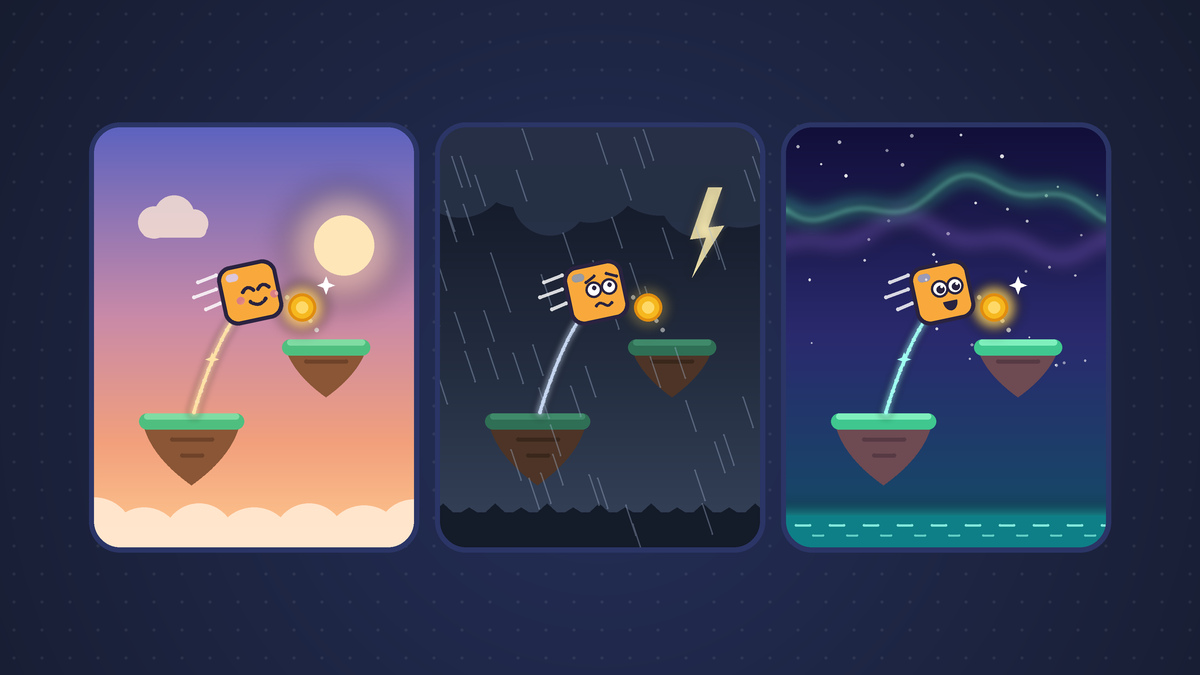
Before determining mechanics like inventory or combat, developers must decide what primary emotion the player should feel. This foundational choice dictates art style, pacing, music, and overall structure. Whether you use a traditional engine or AI tools, this emotional anchor provides the necessary direction. Relying solely on a list of features is inefficient, because it fails to prioritize the essential elements or identify what should be cut. Experienced designers put player experience first, treating all other systems as machinery serving that specific emotional goal.AI tools require precise descriptions to generate useful results. Vague prompts like "a farming game with crafting" yield generic outcomes, while specific emotional directives guide every design choice, from color to sound. Breaking down "fun" into distinct experiences such as mastery, surprise, or social connection helps clarify goals. Research indicates that players have varied motivations, but a game becomes stronger when it commits to one or two core drivers. This focus allows for a coherent design that resonates deeply with the target audience, rather than attempting to please everyone with a diluted experience.The core experience combines the chosen feeling with a specific player fantasy or role. It is not about plot or character names, but about what the player is doing and who they are in that moment. This concept can be articulated through a simple experience statement: "My game makes the player feel [feeling] by letting them be [role] who [core action]." For example, a lighthouse keeper game might aim to make players feel calm and needed by guiding ships home. This statement serves as a filter for all future decisions, ensuring that every new idea aligns with the intended emotional and narrative direction of the project.Design pillars are short, actionable rules derived from the experience statement, typically numbering three or four. These pillars describe the experience rather than listing features or genres. For instance, a pillar stating "Every Decision Has a Face" ensures players always see the impact of their choices, shaping both systems and character design. Indie team Saltstone Studios credits such pillars as the main reason their first game, The Pale Beyond, succeeded. Using pillars helps maintain focus, preventing scope creep and ensuring that the game delivers a consistent, high-quality experience that stays true to its initial vision.Every new idea must be evaluated against these pillars. If an idea does not serve a pillar, it should be set aside, even if it is interesting, because it belongs to a different game. This rigorous filtering process guides all subsequent design decisions, from visual aesthetics to audio cues. A feeling of calm directs toward soft palettes and gentle sounds, while dread suggests tight framing and silence. By establishing these clear guidelines early, developers can make confident choices about what the player sees, hears, and does. This approach ensures that the final product is cohesive, emotionally resonant, and effectively delivers the intended experience to the player.
- Public
- 28 Oct, 2026
Enver Claims Three Spots in the Meta Quest Top 10 Thanks to the Launch of Fishy
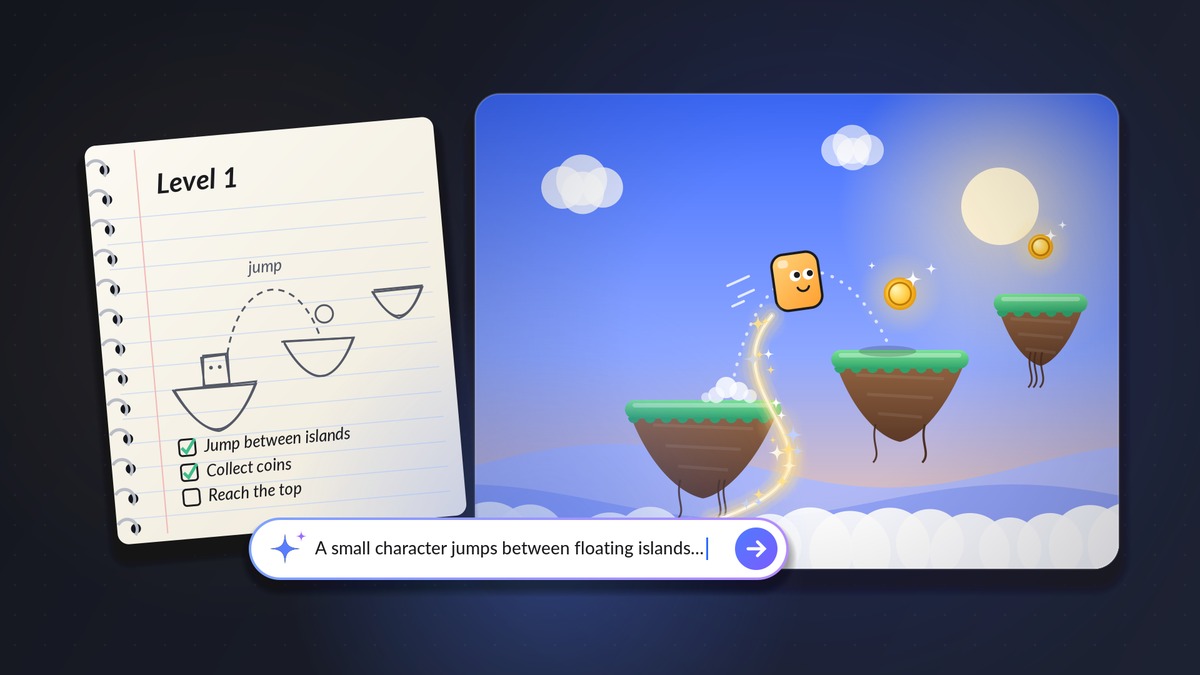
It is exceptionally rare for a recent release to crack the top ten on any major VR platform, which makes Enver's success particularly noteworthy. Their new game, Fishy, has beaten out established juggernauts like Animal Company in recent weeks. With this early success, Enver now has a hand in three top ten games at once, which makes them stand out in the current market. This breakthrough shows that new paid titles can compete effectively with long-standing hits in the Meta Quest ecosystem.The details of this dominance center on Enver's massively multiplayer fishing game, Fishy, which officially launched on October 15. At the time of this report, Fishy sits at number ten, pushing Wooster Games' popular Animal Company down to eleventh place. As a result, Enver currently occupies three of the top ten slots on Quest. They are filled by Fishy, Enver's own hit Scary Baboon, and ContinuumXR's caveman sandbox UG. Enver helped fund and market UG alongside Trass Games, the developer of another top ten title, Yeeps. Building on the success of UG, they announced a joint initiative earlier this year to fund more social VR projects.Historical context shows that only a few other teams have achieved a similar simultaneous presence in the top-selling list. New Folder Games managed to have I Am Cat and I Am Security in the top ten soon after the latter's release, while Owlchemy Labs did it with Vacation Simulator and Job Simulator in previous years. Notably, I Am Cat was also the number one downloaded game for PS VR2 in September. This precedent shows that while rare, multiple top ten placements by a single entity or closely linked entities are possible, though Enver's current standing is unique in the modern Quest market.The broader context of the Quest store involves a constant barrage of free-to-play titles, often referred to as "slop," that hit the store weekly. Despite this, the top ten remains remarkably consistent. Besides Fishy, SigmonVR's Hero x Hero, a free-to-play action-shooter, is the only other 2026 title on the list, currently at number one. When filtering out free-to-play games to look at the paid charts, the list also rarely changes. However, chaotic prison sandbox Bad Inmate, released earlier this month, cracked the paid top ten at number five, demonstrating that new paid content can still find traction in specific segments of the market.
- Public
- 28 Oct, 2026
Core Design Principles for Beginning Video Game Developers
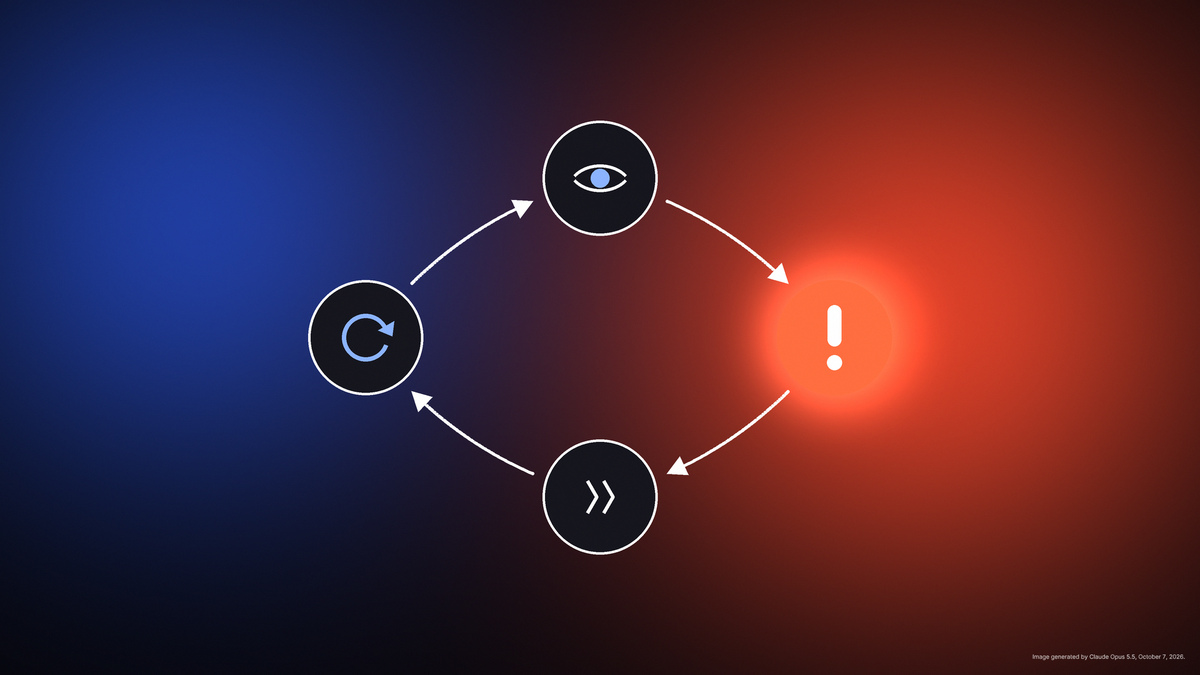
Developing a video game does not require a background in programming, but it demands rigorous design thinking. Even when using tools that eliminate the need for writing code, creators must make dozens of critical decisions regarding movement, visual presentation, and input handling. The primary task shifts from coding to describing desired outcomes, acting as a designer who defines the rules and behaviors of the game world. Success depends on navigating these design choices effectively before any significant production work begins, ensuring that the underlying structure supports the intended player experience.The foundation of any successful game is its core loop, a repeatable sequence of actions typically structured as challenge, action, and reward. Before adding levels, characters, or upgrades, developers must ensure this loop is inherently fun. Adding polish to a fundamentally unengaging core mechanic only masks the underlying problem. A useful exercise is to describe the player's primary activity in a single sentence. Additionally, understanding genre expectations is crucial. Players have specific assumptions about mechanics, such as jumping in platformers. While familiarity helps players ramp up quickly, standing out often involves changing just one element, making a control easier or harder, or altering a specific rule to create a unique identity.Scope management is vital for finishing a project. Ambition is less important than completion, so developers should be ruthless in limiting their feature set. When facing choices, prioritize options that take the least amount of time to implement. Prototyping is an essential tool for answering specific design questions quickly, but prototypes must remain small and focused. Getting stuck in a cycle of endless prototyping prevents the creation of a finished game. Visual style is equally flexible; there is no single best art style. It depends on the concept, resources, and audience. Start by defining the desired emotional impact through mood pieces and sketches, then maintain consistency. For example, a limited color palette can help unify pixel art visuals, ensuring a cohesive aesthetic throughout the game.Camera perspective and physics rules significantly impact gameplay feel. First-person views offer immersion but hide the character, while top-down views provide clarity but reduce the sense of height. Isometric views simulate 3D space but can make depth judgment difficult. The field of view also shapes mood, with narrow angles creating claustrophobia and wide angles enhancing peripheral vision. Physics in games are arbitrary rules rather than real-world simulations. Developers must decide on jump heights, fall speeds, and collision behaviors. Consistency is key; if the rules change unpredictably, players become frustrated. Many games intentionally bend physics, such as allowing a jump shortly after running off a ledge, to improve playability rather than adhere to realistic simulation.Responsive controls are critical for player satisfaction. Delays between input and response significantly increase frustration and decrease immersion. Studies indicate that added delays of even half a second negatively impact the experience. A target response time of under 100 milliseconds is ideal. For touchscreens, controls should be designed for fluidity and forgiveness rather than precision, given the lack of physical feedback. Feedback, often called "juice," is essential for making actions feel satisfying. This includes visual effects like flashes and shakes, as well as audio cues. Research shows that exaggerated feedback, such as comic-style sound words like "POW," is as effective as complex particle effects in enhancing the perceived quality of gameplay.Sound design and on-screen displays are as important as visuals. Muting a game quickly reveals how much feedback is lost without audio. The heads-up display, including health bars and scores, requires careful planning and should not be treated as an afterthought. Game structure must include clear win and lose conditions, with difficulty balanced to keep players engaged. Players must understand why they fail in order to improve. Offering difficulty presets, ideally four or more, allows players to adjust the challenge without losing progress. When in doubt, err on the side of easier difficulty. Playtesting with friends and strangers is essential to identify where players hesitate. Finally, accessibility must be planned from the start, offering flexibility in controls, such as toggles instead of holds, to accommodate the nearly 450 million players with disabilities.
- Public
- 28 Oct, 2026
Understanding Enemy AI: States, Senses, and Boss Design in Video Games
Enemy artificial intelligence in video games is not about complex decision-making algorithms but rather a set of predefined rules that dictate character behavior. The system operates on a simple loop: the enemy senses its environment, processes that information to determine an action, and then executes it. The most fundamental way to organize this behavior is through a state machine, where an enemy exists in one specific mode at a time, such as patrolling, investigating, or attacking. Transitions between these states are triggered by specific conditions, creating a logical flow that feels reactive to the player. This approach is favored because it is easy to visualize and sketch out on paper before implementation, allowing designers to ensure that the behavior makes sense and that the rules for switching states are clear and consistent.Beyond simple states, enemies require simplified sensory systems to detect the player. Vision cones define the area in front of an enemy where it can see, while sound ranges determine how far noises like footsteps can be heard. Awareness is often not binary; instead, games use levels of suspicion, such as "unaware," "suspicious," and "spotted," often visualized with a filling meter. This gives players a window to hide or react before being fully detected. A crucial design principle here is that the enemy's senses as perceived by the player must match the player's understanding of those senses. If a player believes an enemy cannot see them due to a wall or distance, getting spotted feels unfair, even if the game logic says otherwise. Adjusting these sensory parameters to match player expectations is essential for maintaining a sense of fairness and fun in gameplay.To ensure combat feels fair, designers use telegraphing, which involves providing visual, audio, or animation cues before an enemy attacks. These cues, such as a wind-up animation, a glowing indicator, or a warning sound, give players a fair opportunity to dodge, block, or counter. The concept borrows from martial arts, where body language signals an upcoming move, but in games, these signals are deliberately shown to allow for player response. Consistency is key: if a specific visual cue indicates an unblockable attack, it must always mean that. Additionally, the damage dealt should match the perceived danger of the attack. A small jab should not deal the same damage as a massive ground-shaking slam, as this discrepancy breaks the player's trust in the game's feedback systems and makes the experience feel arbitrary rather than skill-based.Boss fights are structured as both a test of player skills and a narrative arc, typically following a curve of intensity that builds from introduction to full complexity. These fights are divided into phases, where the first phase allows players to learn basic patterns, and subsequent phases introduce new mechanics or increased speed while keeping the core rules readable. The goal is to make the fight harder, not harder to read, by chaining patterns or reducing reaction windows rather than obscuring cues. Recognizing and mastering these patterns provides a sense of satisfaction, as the difficulty becomes a measure of the player's growth. Designers must balance this by ensuring that while the enemy may become more aggressive or complex, its behavior remains predictable enough for the player to formulate and adjust strategies effectively.The ultimate goal of enemy AI design is to create characters that are fair, consistent, and believable, rather than merely the smartest possible opponents. Players need to be able to predict how an enemy will react so they can plan their approach and improve their skills. Predictability does not mean repetitiveness: enemies can use varied animations and voice lines while maintaining consistent reaction distances and speeds. When designing an enemy, developers should focus on clear signals and consistent rules. By starting with simple state machines and refining sensory and combat mechanics, designers can create enemies that feel alive and challenging, ensuring that every victory feels earned and every defeat serves as a learning opportunity for the player.
- Public
- 28 Oct, 2026
Mastering Frame Rate: The Critical Balance Between Smoothness and Stability
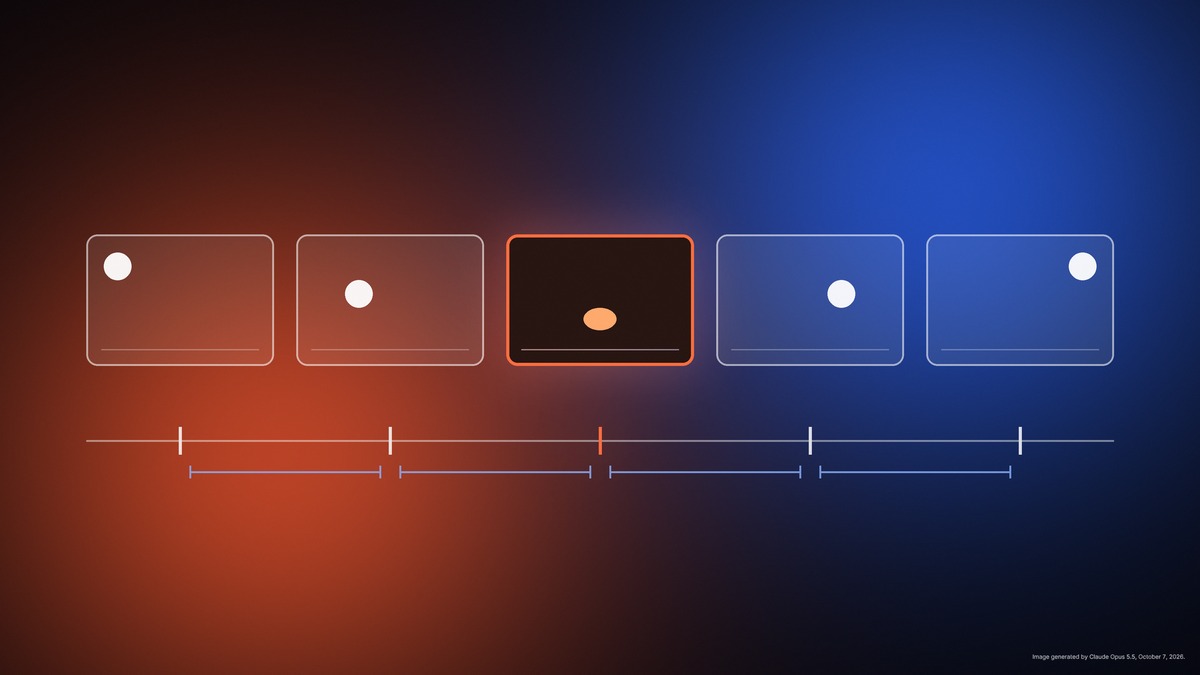
Frame rate defines how many individual images a video game renders and displays per second, measured in frames per second. Each frame acts as a snapshot of the game world, and when shown in rapid succession, they create the illusion of continuous motion. While higher frame rates generally provide smoother visuals and improved responsiveness, the relationship between rendering speed and perceived quality is complex. Developers must understand that frame rate is not just a number to maximize but a critical component of user experience that directly impacts how players interact with the game environment.Frame time, measured in milliseconds, represents the duration required to render a single frame and is the inverse of frame rate. For developers, this metric serves as a strict performance budget. At a target of 60 fps, every task, including character movement, collision detection, logic execution, and scene drawing, must complete within approximately 16.7 milliseconds. If any frame exceeds this limit, the delay becomes visible to the player as a hitch or stutter. Managing this budget effectively is essential for maintaining a stable and fluid gameplay experience across different hardware configurations.The relationship between frame rate and display refresh rate is fundamental to visual stability. A screen refreshing at 60 Hz cannot display more than 60 new frames per second, meaning a 120 fps target only benefits players on 120 Hz displays. Mismatches between these values can cause uneven frame presentation times, leading to visible stutter even if the average frame rate appears acceptable. For instance, a 40 fps mode performs well on a 120 Hz screen because the frame rate divides evenly into the refresh rate, ensuring each frame is displayed for exactly three refreshes without irregularity.Consistency is often more important to player perception than peak frame rate. A stable 30 fps experience can feel smoother than an unstable 60 fps one that frequently dips. Players are highly sensitive to changes in frame timing, and late-arriving frames manifest as noticeable hitches or brief freezes. To mitigate this, many games implement frame rate locking, which holds the output at a fixed value like 30 or 60 fps regardless of hardware capability. This approach prevents the unevenness and screen tearing associated with unlocked frame rates, although variable refresh rate displays can also help smooth out fluctuations.Performance issues typically stem from either CPU-bound logic or GPU-bound rendering, requiring distinct optimization strategies. Lowering resolution reduces GPU load but does not help if the bottleneck is CPU-intensive tasks like complex AI decisions. To maintain stable frame rates, games often employ dynamic resolution scaling, which reduces visual fidelity during demanding moments to preserve timing. On mobile devices, frame rate selection also impacts battery life, as rendering unnecessary frames wastes power. Developers should choose a target that balances smoothness with efficiency, ensuring the game remains responsive and stable under all conditions.