Defining Your First Video Game: The Power of Emotional Design Pillars
 Public
- 28 Oct, 2026
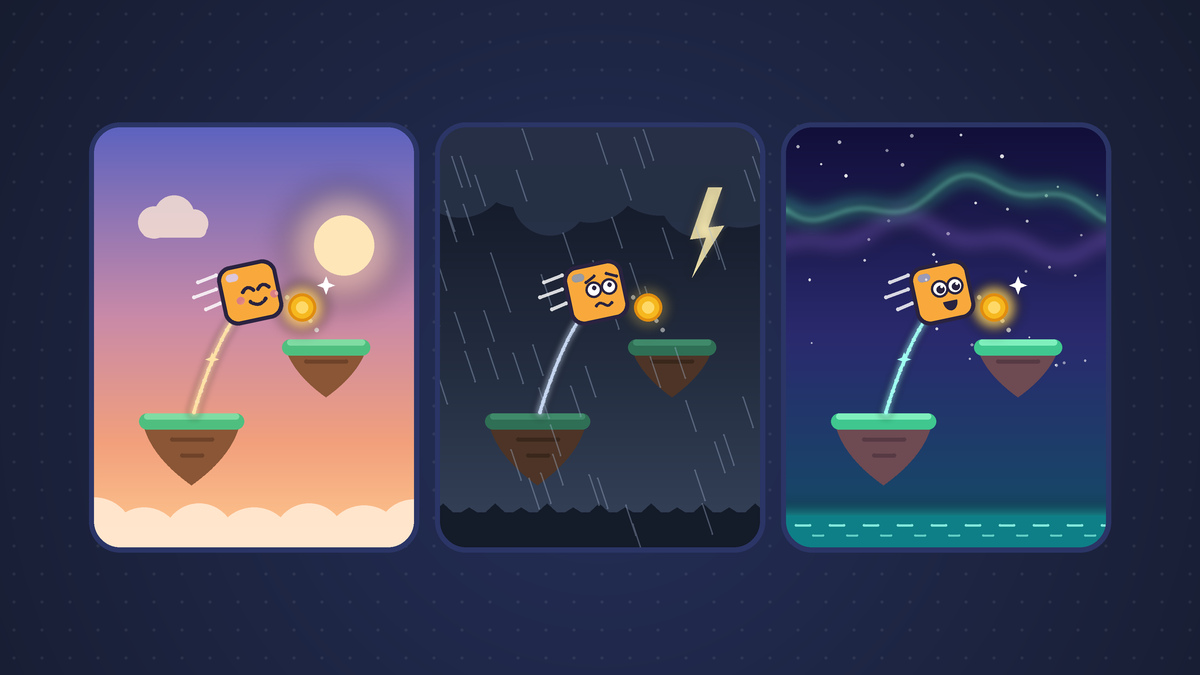
Before determining mechanics like inventory or combat, developers must decide what primary emotion the player should feel. This foundational choice dictates art style, pacing, music, and overall structure. Whether you use a traditional engine or AI tools, this emotional anchor provides the necessary direction. Relying solely on a list of features is inefficient, because it fails to prioritize the essential elements or identify what should be cut. Experienced designers put player experience first, treating all other systems as machinery serving that specific emotional goal.
AI tools require precise descriptions to generate useful results. Vague prompts like "a farming game with crafting" yield generic outcomes, while specific emotional directives guide every design choice, from color to sound. Breaking down "fun" into distinct experiences such as mastery, surprise, or social connection helps clarify goals. Research indicates that players have varied motivations, but a game becomes stronger when it commits to one or two core drivers. This focus allows for a coherent design that resonates deeply with the target audience, rather than attempting to please everyone with a diluted experience.
The core experience combines the chosen feeling with a specific player fantasy or role. It is not about plot or character names, but about what the player is doing and who they are in that moment. This concept can be articulated through a simple experience statement: "My game makes the player feel [feeling] by letting them be [role] who [core action]." For example, a lighthouse keeper game might aim to make players feel calm and needed by guiding ships home. This statement serves as a filter for all future decisions, ensuring that every new idea aligns with the intended emotional and narrative direction of the project.
Design pillars are short, actionable rules derived from the experience statement, typically numbering three or four. These pillars describe the experience rather than listing features or genres. For instance, a pillar stating "Every Decision Has a Face" ensures players always see the impact of their choices, shaping both systems and character design. Indie team Saltstone Studios credits such pillars as the main reason their first game, The Pale Beyond, succeeded. Using pillars helps maintain focus, preventing scope creep and ensuring that the game delivers a consistent, high-quality experience that stays true to its initial vision.
Every new idea must be evaluated against these pillars. If an idea does not serve a pillar, it should be set aside, even if it is interesting, because it belongs to a different game. This rigorous filtering process guides all subsequent design decisions, from visual aesthetics to audio cues. A feeling of calm directs toward soft palettes and gentle sounds, while dread suggests tight framing and silence. By establishing these clear guidelines early, developers can make confident choices about what the player sees, hears, and does. This approach ensures that the final product is cohesive, emotionally resonant, and effectively delivers the intended experience to the player.