Mastering Frame Rate: The Critical Balance Between Smoothness and Stability
 Public
- 28 Oct, 2026
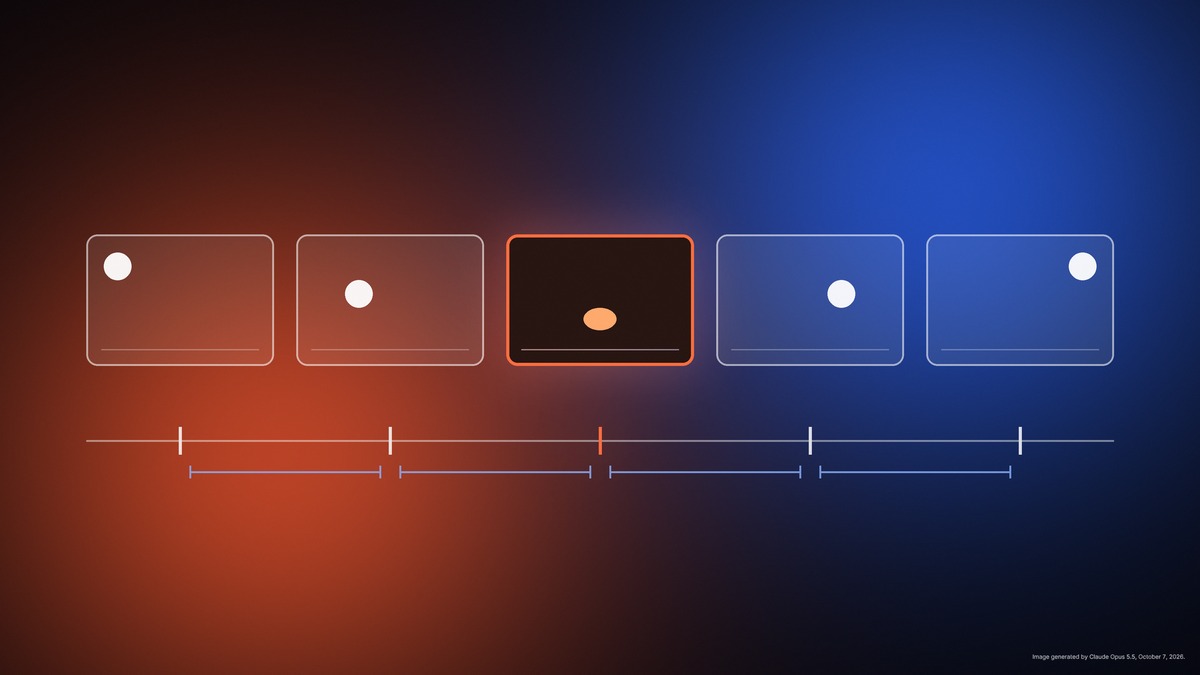
Frame rate defines how many individual images a video game renders and displays per second, measured in frames per second. Each frame acts as a snapshot of the game world, and when shown in rapid succession, they create the illusion of continuous motion. While higher frame rates generally provide smoother visuals and improved responsiveness, the relationship between rendering speed and perceived quality is complex. Developers must understand that frame rate is not just a number to maximize but a critical component of user experience that directly impacts how players interact with the game environment.
Frame time, measured in milliseconds, represents the duration required to render a single frame and is the inverse of frame rate. For developers, this metric serves as a strict performance budget. At a target of 60 fps, every task, including character movement, collision detection, logic execution, and scene drawing, must complete within approximately 16.7 milliseconds. If any frame exceeds this limit, the delay becomes visible to the player as a hitch or stutter. Managing this budget effectively is essential for maintaining a stable and fluid gameplay experience across different hardware configurations.
The relationship between frame rate and display refresh rate is fundamental to visual stability. A screen refreshing at 60 Hz cannot display more than 60 new frames per second, meaning a 120 fps target only benefits players on 120 Hz displays. Mismatches between these values can cause uneven frame presentation times, leading to visible stutter even if the average frame rate appears acceptable. For instance, a 40 fps mode performs well on a 120 Hz screen because the frame rate divides evenly into the refresh rate, ensuring each frame is displayed for exactly three refreshes without irregularity.
Consistency is often more important to player perception than peak frame rate. A stable 30 fps experience can feel smoother than an unstable 60 fps one that frequently dips. Players are highly sensitive to changes in frame timing, and late-arriving frames manifest as noticeable hitches or brief freezes. To mitigate this, many games implement frame rate locking, which holds the output at a fixed value like 30 or 60 fps regardless of hardware capability. This approach prevents the unevenness and screen tearing associated with unlocked frame rates, although variable refresh rate displays can also help smooth out fluctuations.
Performance issues typically stem from either CPU-bound logic or GPU-bound rendering, requiring distinct optimization strategies. Lowering resolution reduces GPU load but does not help if the bottleneck is CPU-intensive tasks like complex AI decisions. To maintain stable frame rates, games often employ dynamic resolution scaling, which reduces visual fidelity during demanding moments to preserve timing. On mobile devices, frame rate selection also impacts battery life, as rendering unnecessary frames wastes power. Developers should choose a target that balances smoothness with efficiency, ensuring the game remains responsive and stable under all conditions.