Understanding Enemy AI: States, Senses, and Boss Design in Video Games
 Public
- 28 Oct, 2026
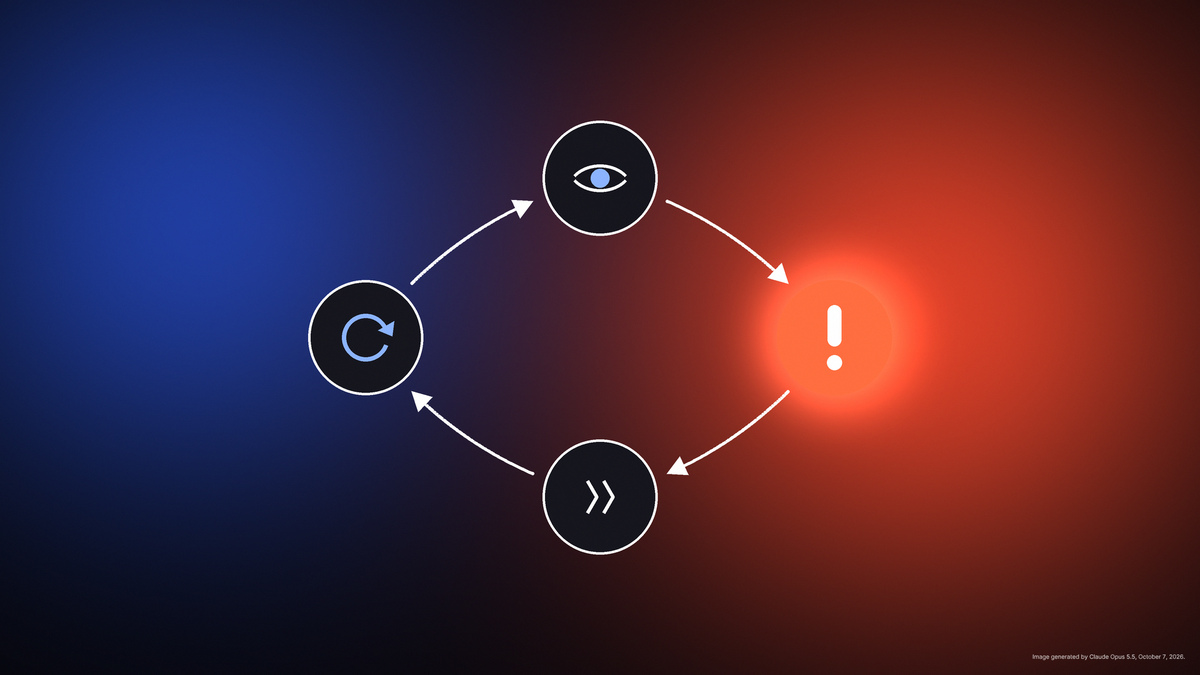
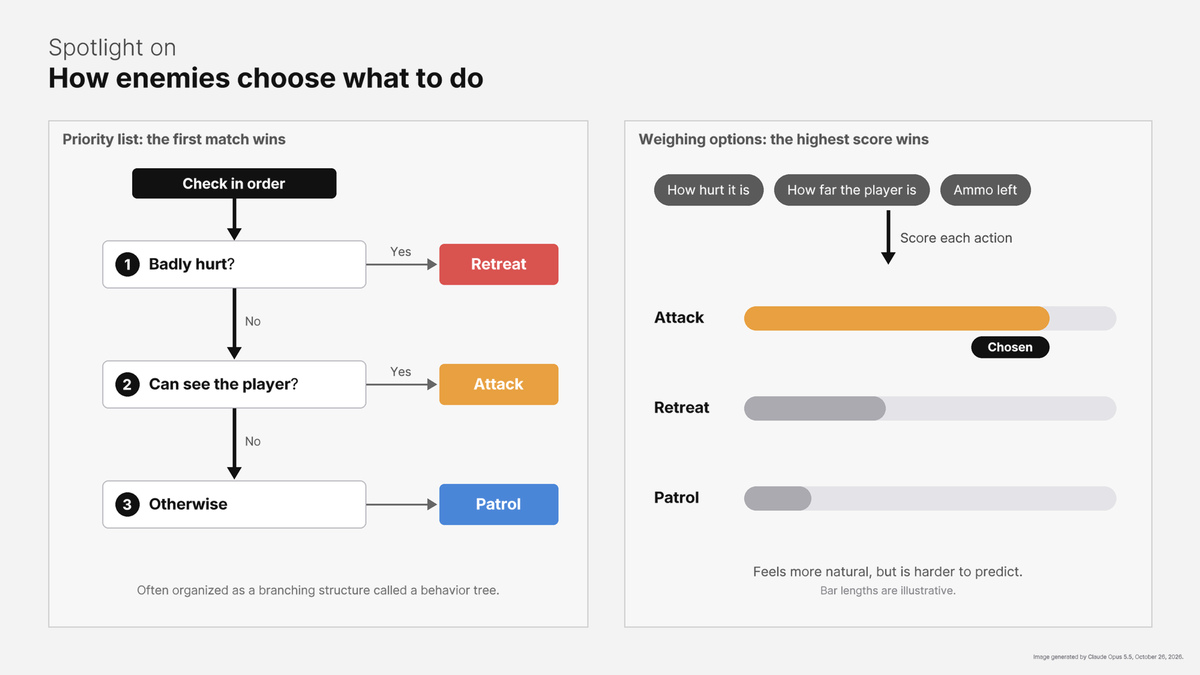
Enemy artificial intelligence in video games is not about complex decision-making algorithms but rather a set of predefined rules that dictate character behavior. The system operates on a simple loop: the enemy senses its environment, processes that information to determine an action, and then executes it. The most fundamental way to organize this behavior is through a state machine, where an enemy exists in one specific mode at a time, such as patrolling, investigating, or attacking. Transitions between these states are triggered by specific conditions, creating a logical flow that feels reactive to the player. This approach is favored because it is easy to visualize and sketch out on paper before implementation, allowing designers to ensure that the behavior makes sense and that the rules for switching states are clear and consistent.
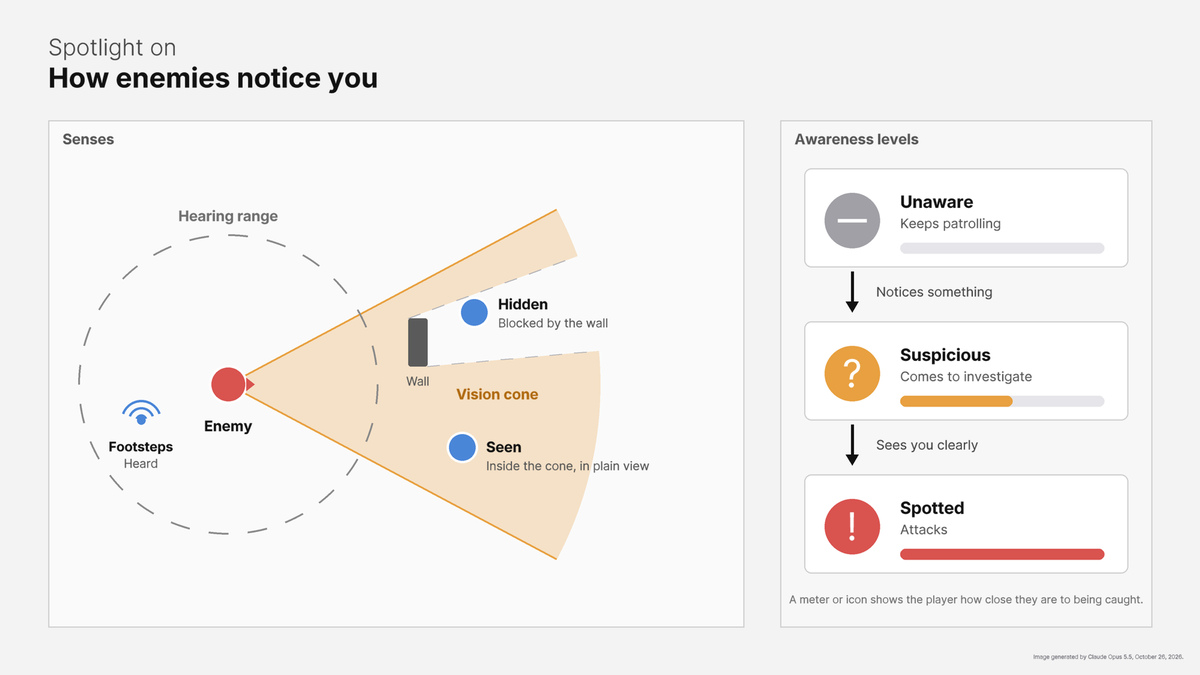
Beyond simple states, enemies require simplified sensory systems to detect the player. Vision cones define the area in front of an enemy where it can see, while sound ranges determine how far noises like footsteps can be heard. Awareness is often not binary; instead, games use levels of suspicion, such as "unaware," "suspicious," and "spotted," often visualized with a filling meter. This gives players a window to hide or react before being fully detected. A crucial design principle here is that the enemy's senses as perceived by the player must match the player's understanding of those senses. If a player believes an enemy cannot see them due to a wall or distance, getting spotted feels unfair, even if the game logic says otherwise. Adjusting these sensory parameters to match player expectations is essential for maintaining a sense of fairness and fun in gameplay.
To ensure combat feels fair, designers use telegraphing, which involves providing visual, audio, or animation cues before an enemy attacks. These cues, such as a wind-up animation, a glowing indicator, or a warning sound, give players a fair opportunity to dodge, block, or counter. The concept borrows from martial arts, where body language signals an upcoming move, but in games, these signals are deliberately shown to allow for player response. Consistency is key: if a specific visual cue indicates an unblockable attack, it must always mean that. Additionally, the damage dealt should match the perceived danger of the attack. A small jab should not deal the same damage as a massive ground-shaking slam, as this discrepancy breaks the player's trust in the game's feedback systems and makes the experience feel arbitrary rather than skill-based.
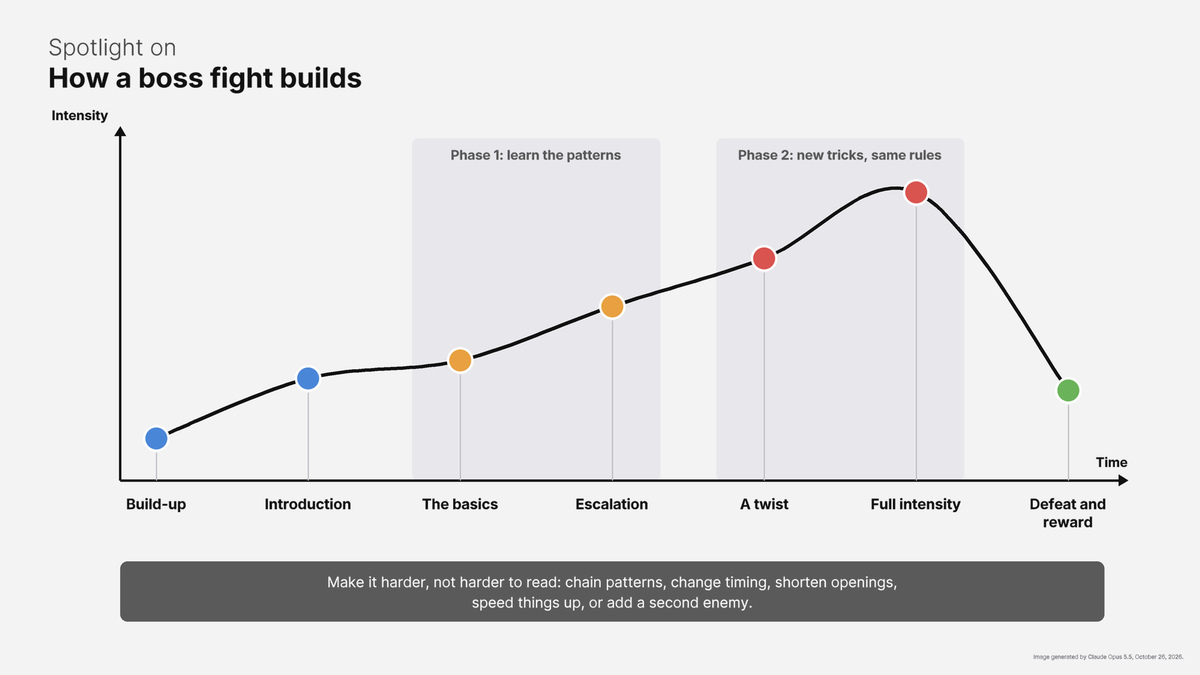
Boss fights are structured as both a test of player skills and a narrative arc, typically following a curve of intensity that builds from introduction to full complexity. These fights are divided into phases, where the first phase allows players to learn basic patterns, and subsequent phases introduce new mechanics or increased speed while keeping the core rules readable. The goal is to make the fight harder, not harder to read, by chaining patterns or reducing reaction windows rather than obscuring cues. Recognizing and mastering these patterns provides a sense of satisfaction, as the difficulty becomes a measure of the player's growth. Designers must balance this by ensuring that while the enemy may become more aggressive or complex, its behavior remains predictable enough for the player to formulate and adjust strategies effectively.
The ultimate goal of enemy AI design is to create characters that are fair, consistent, and believable, rather than merely the smartest possible opponents. Players need to be able to predict how an enemy will react so they can plan their approach and improve their skills. Predictability does not mean repetitiveness: enemies can use varied animations and voice lines while maintaining consistent reaction distances and speeds. When designing an enemy, developers should focus on clear signals and consistent rules. By starting with simple state machines and refining sensory and combat mechanics, designers can create enemies that feel alive and challenging, ensuring that every victory feels earned and every defeat serves as a learning opportunity for the player.