visionOS 27 is out for Apple Vision Pro: Siri AI assistant, held object tracking, and new APIs for tracked accessories
 Public
- 20 Sep, 2026
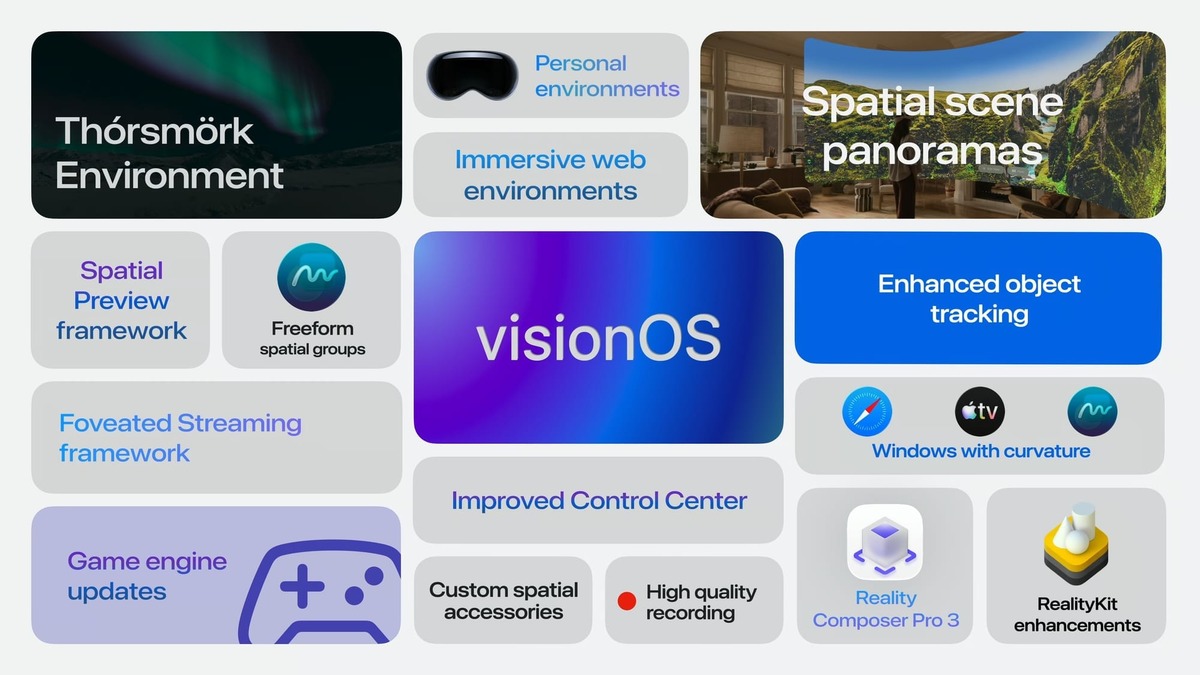
Apple has rolled out visionOS 27, the fourth major operating system release for Vision Pro headsets. It is available on both M2 and M5 models. Despite arriving with little fanfare, it is one of the largest updates to date. The headline addition is Siri AI, Apple's LLM-powered overhaul of its assistant, now rolling out in beta. Access requires joining a waitlist in the visionOS Settings; Apple says wait times vary, and once access is granted, the feature begins downloading automatically. Siri AI currently works only in English, with both the device language and the Siri language set to the same supported English option.
Siri AI is backed by Apple's next-generation Foundation Models, which the company co-developed with Google and based on its Gemini models. As with Apple Intelligence generally, some tasks run on a small on-device model, while more complex work is handed off to Apple's Private Cloud Compute. On visionOS, Siri AI appears as an orb anchored in space that you can pin to a fixed spot in the room; to start speaking, you simply look at it, with no need to say "Siri." It also supports Visual Intelligence for asking about your physical and virtual surroundings, and Siri AI ships as a dedicated preinstalled app with conversation history.
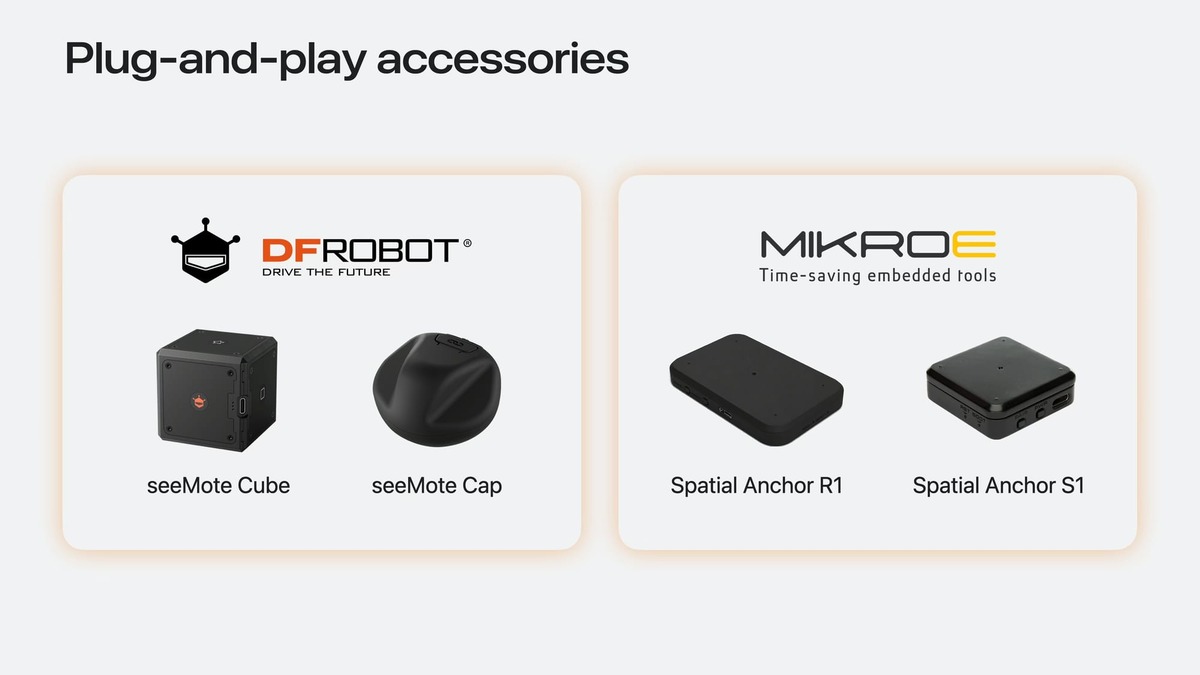
For developers, visionOS 27 adds a high-frame-rate object tracking mode suited to moving and held objects. Apple does not state the update rate, but early reports suggest roughly 30Hz. For held objects, Apple strongly recommends the new Extended Training mode, which greatly improves tracking but "significantly" increases training time: one developer reported around 18 hours to train a fish toy. Optical tracking runs at 90Hz and is fused with the object's IMU accelerometer and gyroscope data. The update also opens the tracked-accessory path: previously Sony and Logitech had hardcoded support for PS VR2 Sense controllers and the Muse stylus, which use infrared LED constellations.

visionOS 27 adds APIs that let any company build its own IR LED tracked accessories, similar to how SteamVR "Lighthouse" accessories work on PC. DFRobot and MikroE have announced reference hardware and developer kits, with the DFRobot hardware available to purchase now. Elsewhere, a new High Quality Recording option captures up to 3 minutes of unfoveated 4K footage entirely on the headset, no Mac required. This is a long-requested feature for showing off visionOS content. visionOS 27 also introduces an Iceland's Thórsmörk valley environment, the 10th virtual environment, with a nighttime aurora borealis variant.
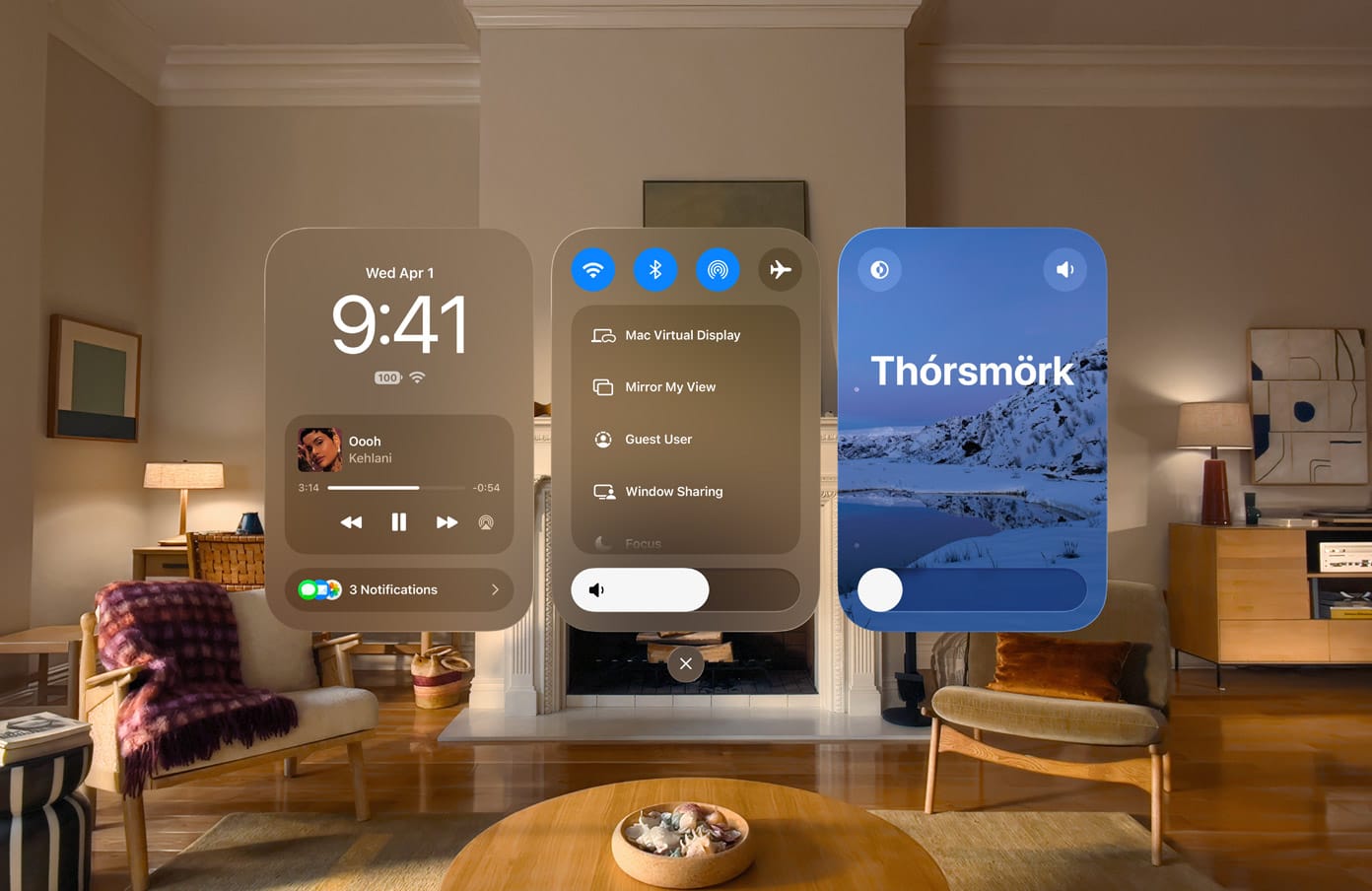
Other improvements target app developers and workflows. When connected via Mac Virtual Display, macOS 27 adds an API to spawn a 3D object on visionOS for preview, with built-in Preview.app support; edits made on the headset are reflected on the macOS side, and SharePlay is supported for collaborative editing with Personas. Xcode 27 adds a Device Hub app so developers can remotely launch demos instead of guiding guests through gaze-and-pinch. visionOS 27 also adds curved windows in Safari, Freeform, and Apple TV Multiview, though that remains a private first-party API, plus accessory widgets, Safari Web Environments via a requestImmersive() API, and faster Wi-Fi connection after boot.