Meta may showcase the Phoenix headset at Connect 2026 with full-body Codec Avatars
 Public
- 20 Sep, 2026
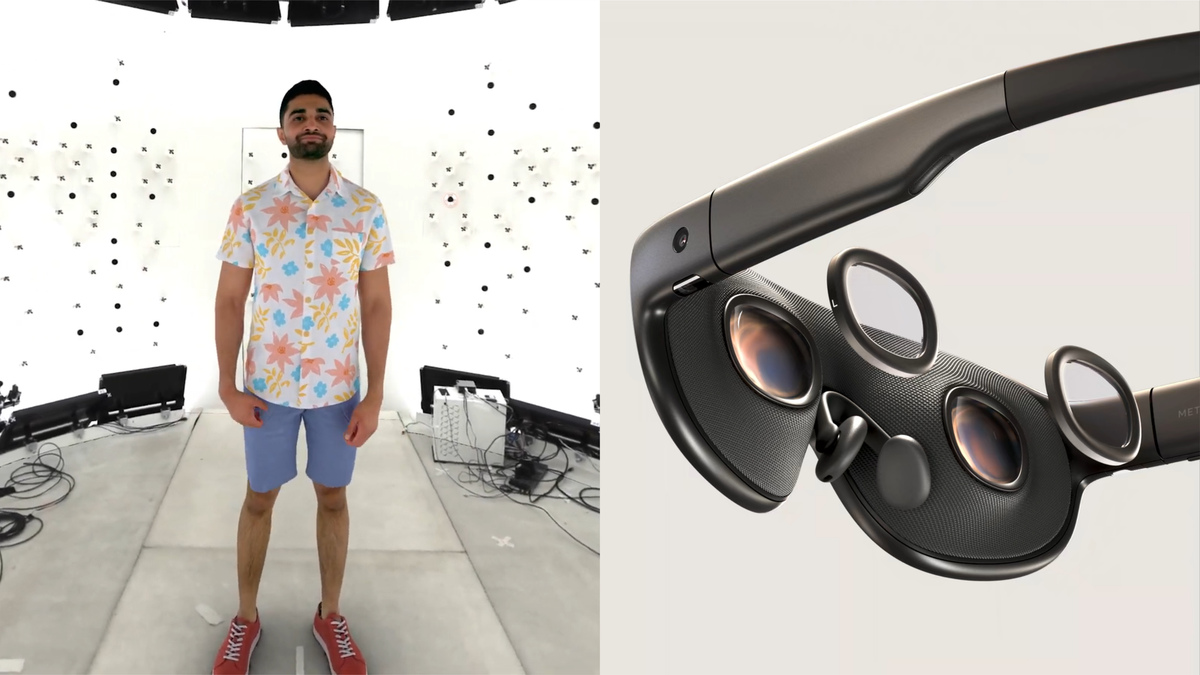
Multiple reputable outlets have reported that Meta is building a premium, ultralight, open-periphery headset with a tethered compute puck, aimed at the same high-end tier as Meta Quest Pro but in a much sleeker form factor. The project and its underlying layers have surfaced under the codenames Phoenix, Stanley, and Loma. Official visuals of the device were also discovered in Horizon OS firmware earlier this month, after UploadVR published an extensive report on it in August.
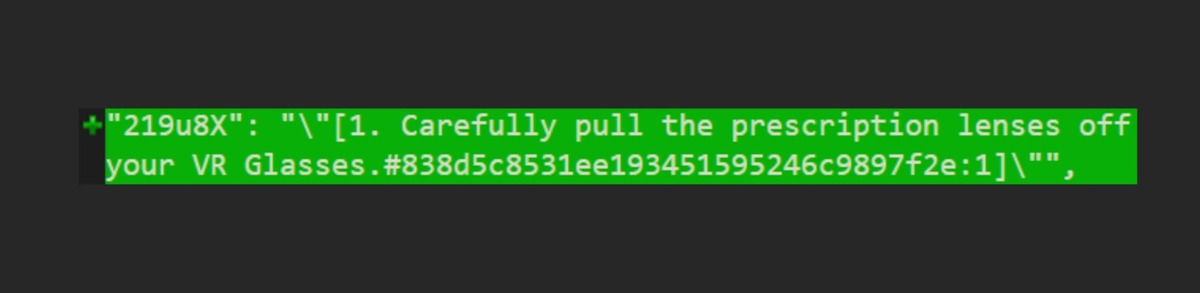
Now The Information reports that Meta could showcase Phoenix during the Connect 2026 keynote next to a "full-body, photorealistic hologram call experience" built on Codec Avatars. The report describes Phoenix as a "productivity and entertainment tool" made up of glasses and a puck, which Meta wants to market for virtual screens and watching films. It also labels the device "augmented reality glasses," though other reporting indicates Phoenix is technically a glasses-like Passthrough VR (Mixed Reality) headset operating on the same principle as Quest 3 and 3S. Some firmware strings even call the device "VR Glasses," but that terminology is non-final.
The report claims that earlier this month CEO Mark Zuckerberg and CTO Andrew Bosworth reviewed the company's work on hologram-like video calls. Meta has since decided to show "a full-body, photorealistic hologram call experience during a live Phoenix demo in the keynote speech at Connect next week, with Bosworth appearing as the hologram," assuming plans hold. That experience would be powered by Codec Avatars, Meta's long-running research effort for photorealistic spatial telepresence via Face Tracking sensors on VR/MR headsets and eventually glasses. It is broadly similar to Personas on visionOS and Likeness on Android XR.
Meta has iterated on this work for years; the best-known example is Mark Zuckerberg's VR interview with Lex Fridman, where both used prototype photorealistic Codec Avatars. Those versions were captured with a specialized rig and rendered on high-end computers, but Meta has since shown ways to generate Codec Avatars from sparse photos and to run them on mobile-class hardware like Quest 3. Earlier this year the company published a paper, "Large-scale Codec Avatars: The Unreasonable Effectiveness of Large-scale Avatar Pretraining," describing a model that generates full-body Codec Avatars from limited input and drives them via inward-facing and SLAM sensors on a headset.
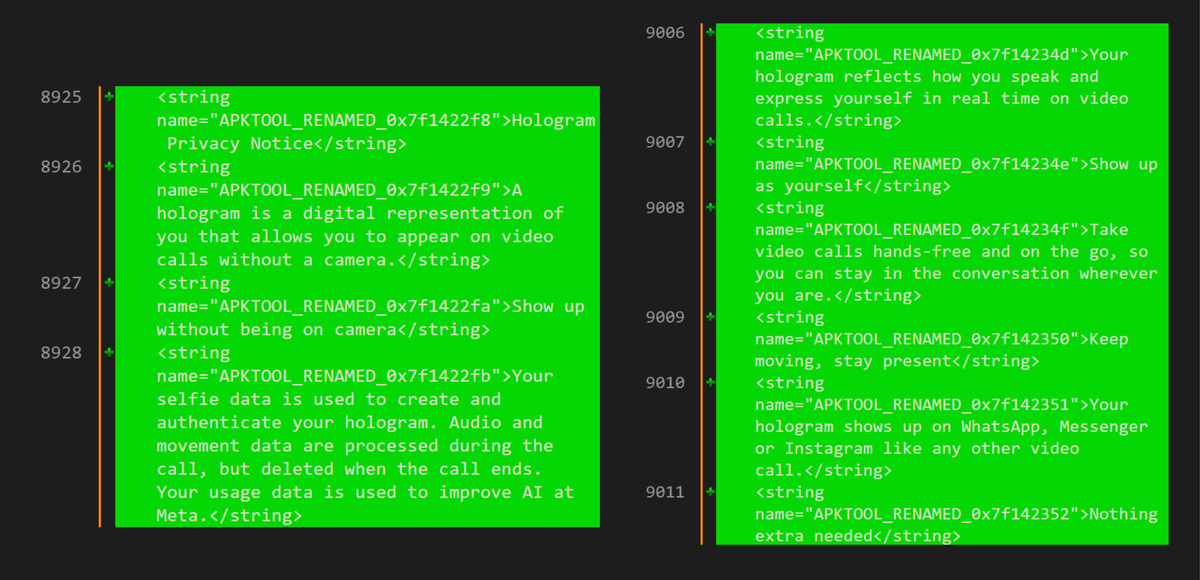
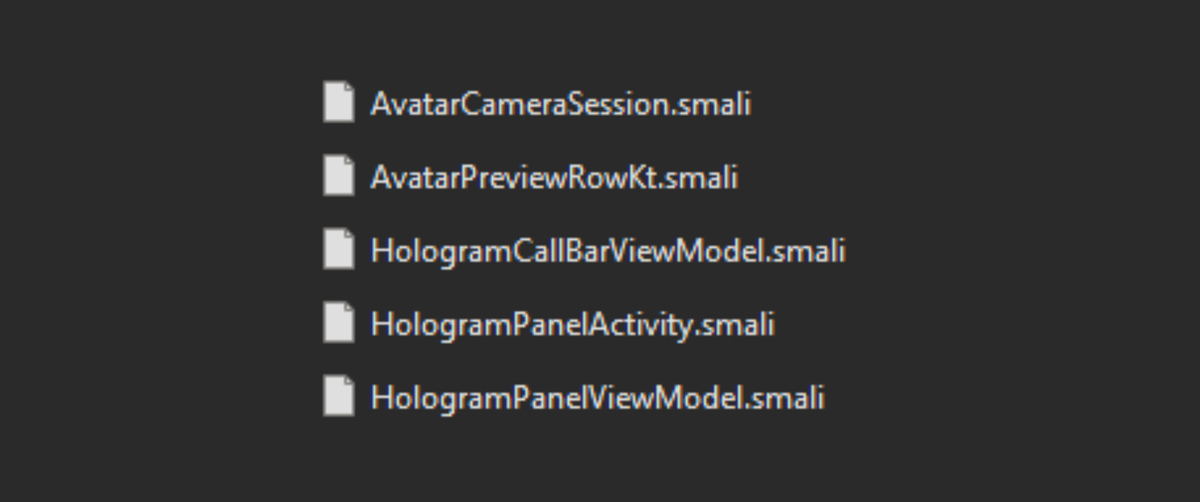
As of August 2026, Meta's plans for Codec Avatars increasingly center on video calls and telepresence for social experiences across its family of apps, with the name Hologram heavily tied to this direction. Several Horizon OS packages contain what appear to be sub-frameworks for a broader "Hologram Calling" system, including extensive references to Codec Avatars. Strings in the Meta AI mobile app for Smart Glasses and other wearables also describe setting up a "Hologram" avatar, hinting at a possible consumer-facing name. Meta Connect 2026 runs September 23-24 and will showcase the company's "latest breakthroughs in AI technologies, AI glasses and VR."