Narrative Depth: A Practical Guide for Game Developers
 Public
- 28 Oct, 2026
Developers often worry about whether a game requires a complex plot, but story is not a binary choice; it is a spectrum. While "story" typically implies plot with events and dialogue, games also rely on worldbuilding, which includes setting, tone, rules, and history. Even without a traditional narrative, visual elements like colors, names, and sound effects communicate context to players. This distinction is crucial because every game possesses a world, regardless of whether it features a structured beginning, middle, and end. Understanding this difference allows creators to decide intentionally how much narrative depth their specific project actually requires.
Environmental storytelling is a unique tool for video games, allowing narrative delivery purely through space and setting rather than dialogue or narration. For instance, the arrangement of objects in a room can reveal a character's history or urgency without a single line of text. This approach lets players infer details, such as a hasty departure, simply by observing the environment. Successful games use various points on the narrative spectrum, where each level builds upon the previous one. A full narrative still demands a consistent theme, while even a discovered story requires a clear premise. Choosing the right level ensures that the narrative elements support the gameplay without becoming a burden on the development pipeline.
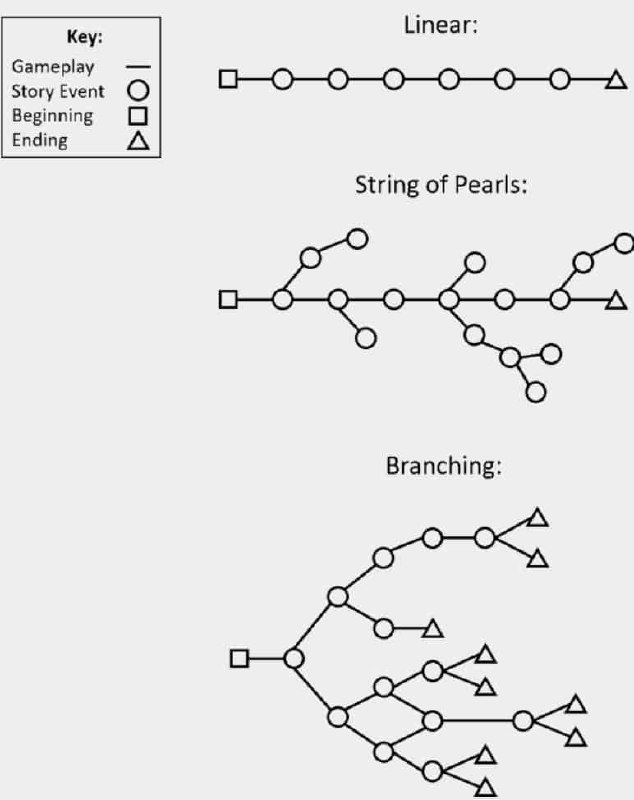
Increasing narrative complexity significantly impacts planning across writing, art, and logic. Writing demands escalate with branching paths: every meaningful choice requires multiple versions of subsequent events. Art requirements grow as well, necessitating distinct locations, character expressions, and scene-specific assets. A discovered story needs objects that feel personal, while a full narrative requires art for every scene. Logic systems must track when story elements appear and what the game remembers. In traditional engines, this involves scenes, triggers, and saved variables. Even when using AI tools, developers must explicitly define these rules, such as displaying specific dialogue only if a key has been found, to ensure a consistent player experience.
Before building, developers should answer key questions about their narrative scope to avoid scope creep. There is no single correct amount of story, only the amount appropriate for the specific game. The recommended approach is to sketch the world on a single page and determine the necessary narrative depth before starting production. This pre-planning helps align writing, art, and technical logic from the start. If players want more content later, additional story elements can be added in updates. By making a deliberate choice about narrative depth, developers can create a cohesive experience that balances creative vision, technical feasibility, and resource constraints.