Android XR Tools Reach Stable Status: XREAL AURA Launch and Engine Hub Updates
 Public
- 08 Nov, 2026
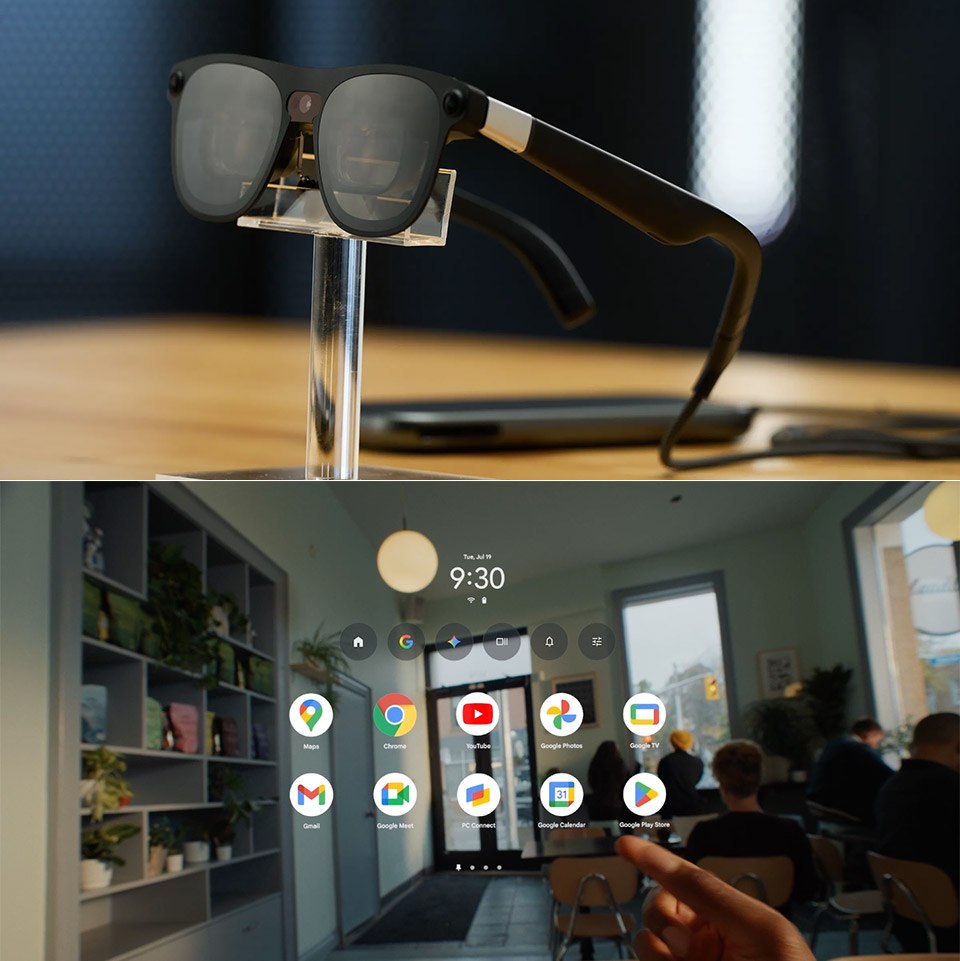
The Android XR ecosystem has reached a significant milestone with the launch of XREAL AURA, the first wired XR glasses on the platform. The devices weigh under 95 grams for comfortable wear, and a portable compute puck lets them leverage a shared Android foundation. This architecture ensures that existing applications work immediately after deployment. It makes entry easier for developers who want to expand their offerings with richer spatial interactions, without extensive code refactoring or complex compatibility adjustments.
For developers building native experiences with Kotlin and Compose, production readiness is now anchored in the platform layer. The core Jetpack XR SDK libraries have officially graduated to stable release status, guaranteeing long-term API stability and optimized performance. This stable suite includes Jetpack SceneCore for manipulating 3D scene graphs, ARCore for Jetpack XR for environment perception, and XR Runtime for standardized session management. Additionally, Android XR emulators in Android Studio are now stable. This allows teams to build, iterate, and visually validate layouts across various XR device form factors directly from a laptop, without needing physical hardware.
Real-world anchoring capabilities have been enhanced through the stabilization of Geospatial APIs in ARCore for Jetpack XR. These tools allow developers to anchor digital content to real-world coordinates with high precision, using robust local tracking. Combining visual positioning services with local device perception opens the way to contextual and location-aware experiences designed specifically for wired XR glasses. Developers can now design optical see-through interfaces with Jetpack Compose Glimmer and anchor them to specific physical locations, ensuring consistent spatial alignment across different sessions and user interactions.
The Android XR Engine Hub has also reached stable status, streamlining setup, configuration, and optimization for Unity, Godot, and Unreal Engine. This hub simplifies project scaffolding by providing pre-configured OpenXR extensions and validated project settings, allowing developers to start building right away. It also offers native profiling tools that let you capture and analyze system traces, thermal limits, and frame budgets for the CPU and GPU directly in the engine interface. This integration helps identify performance bottlenecks early in development, maintaining high FPS and thermal stability in immersive applications.
To support the expansion toward audio-centric interactions, new tools have been introduced for building lightweight, multimodal experiences. Developers can now use the ML Kit Gen AI Text to Speech API to generate natural-sounding voices powered by on-device AI. New design guidance focused on sound best practices, including the use of Earcons, helps guide users through audio-first and augmented environments. These capabilities make it possible to create hands-free, conversational applications by combining Jetpack Projected, ML Kit, and on-device Gemini Nano models. This is especially relevant for smart glasses and other form factors where voice and audio input matter more than a visual display.