Autodesk Flame 2027.2 Updates: Improved AI Depth Mapping and OpenTimelineIO Integration
 Public
- 08 Nov, 2026

Autodesk has launched the Flame 2027 release cycle, the latest annual series of updates for its flagship compositing, finishing, and effects software. The initial Flame 2027 release introduced a comprehensive new annotations system, two distinct AI models for generating depth maps from video footage, and native support for the OpenTimelineIO standard. These foundational updates were refined in subsequent patches; the recent Flame 2027.2 update ensures that the core features are stable and fully integrated into the user workflow. The release also extends these improvements to Flare and Flame Assist, the cut-down editions of the software, so that users across different tiers of the product line can benefit from the new capabilities and improved workflows.

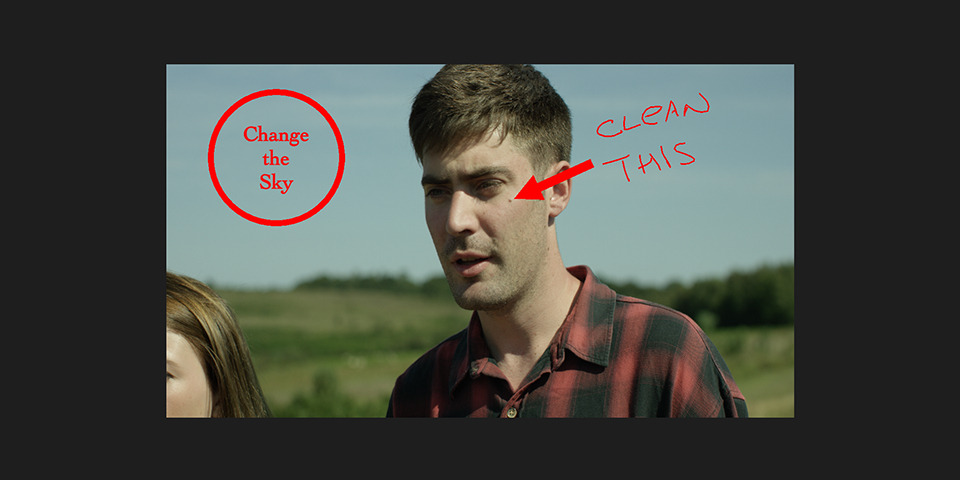
The new Annotations system allows users to mark up clips directly inside Flame, eliminating the need to switch to a dedicated shot review platform to add notes. Users can insert text or drawn annotations, including lines, arrows, circles, rectangles, or freehand strokes, directly onto clips in the Player or viewports. These markers and segment markers with annotations are clearly indicated in the timeline, and the annotations themselves can be selected and managed via the Timeline Ribbon. This integration simplifies communication between artists and directors, allowing for immediate feedback and revision tracking without leaving the compositing environment.
A significant addition to the AI toolkit includes two new machine learning models, ML Depth Indoor and ML Depth Outdoor, which generate depth data for entire scenes from still images or clips. Unlike the existing Face Analysis model, which is optimized specifically for human faces, these new models are designed to handle complex indoor and outdoor environments. The generated depth data can be used to create mattes within the Selective object or standalone ML Depth nodes. Furthermore, the system supports loading custom depth AI models in ONNX format, providing flexibility for studios that have developed proprietary models. This capability enhances the precision of object separation and scene understanding in complex shots.

Workflow improvements in Flame 2027 focus on better preservation of metadata and the introduction of custom tokens. Frame-based metadata from imported clips can now be edited via a new Metadata node and written to the OpenEXR file header when exporting file sequences or publishing content. Additionally, users can create custom tokens to insert readymade text strings into supported text fields, streamlining repetitive tasks. The software now also supports adding Markers in the Effects environment. Pipeline integration has been expanded with support for OpenTimelineIO, the open standard for editorial cut information. OTIO files can be opened in the Conform environment similarly to AAF, XML, or EDL files, though the current implementation supports only basic OTIO sequences and does not yet handle effects and properties from other VFX software.