Smartglasses: A Promising but Immature Platform for Developers
 Public
- 09 Oct, 2026
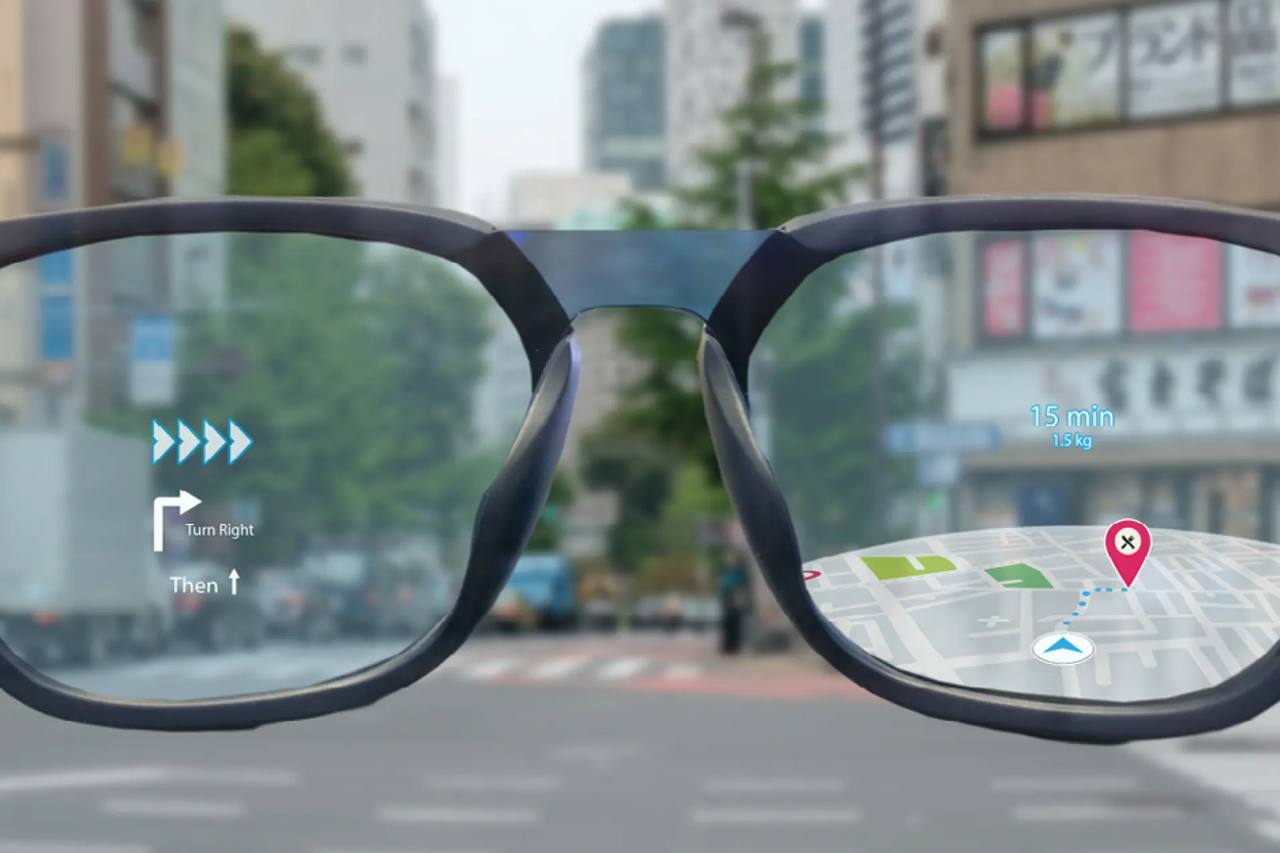
The smartglasses sector is experiencing a surge in adoption, with Meta and Luxottica targeting production volumes of 20 to 30 million units annually. This volume rivals the lifetime sales of the Quest 2, signaling a shift from niche experimentation to mainstream hardware. Major players including Samsung, Apple, Huawei, and Alibaba are entering the market, creating a competitive landscape that resembles the early days of the Oculus DK1. Unlike VR headsets, which require user education, glasses leverage existing consumer habits and Luxottica's extensive retail distribution network, making them a highly accessible entry point for new XR users.

Despite the hardware hype, the software ecosystem remains underdeveloped and restrictive. The most popular models, such as the audio-only Ray-Ban Meta, lack displays, which limits applications to basic functions like audio and photo capture. Even the Meta Ray-Ban Display offers only a small, monocular screen suitable for brief glances rather than sustained interaction. Developers face fragmented SDKs: for example, web apps for the Meta Ray-Ban Display currently cannot access the camera, and some platforms, such as Huawei glasses, remain entirely closed to third-party development. This fragmentation forces developers to build separate frontends for each device, similar to the pre-OpenXR era of VR, with no unified standard to streamline the process.
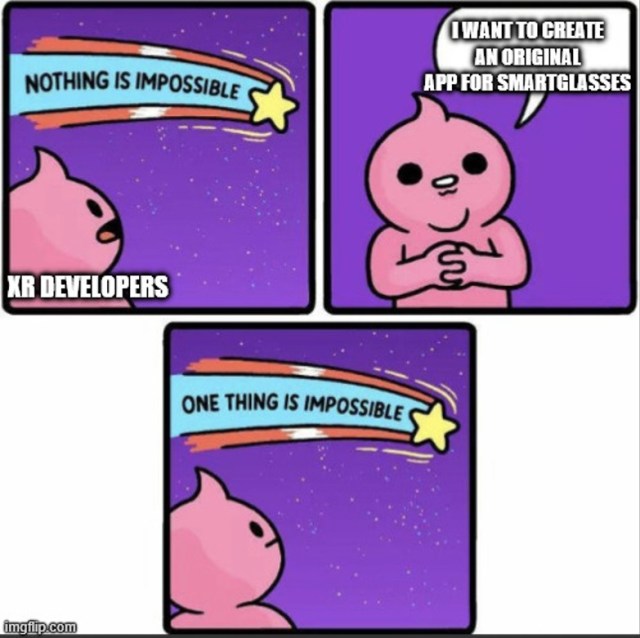
Monetization presents a critical challenge, as platform holders like Meta and Samsung have already captured the most obvious use cases: real-time translation, navigation, and AI assistants. With giants like Gemini and Muse AI integrated natively, independent developers struggle to compete on core functionality. Furthermore, distribution channels are immature: most glasses lack dedicated app stores, forcing developers to publish standard mobile apps that get lost among millions of other listings. While some platforms, such as Mentra OS, offer mini-app stores, the overall infrastructure is insufficient to support a sustainable business model for consumer-facing applications, leaving developers in a "wild west" scenario with limited revenue opportunities.
The long-term viability of consumer smartglasses is further threatened by social acceptance issues and comfort concerns. The device's weight and size may deter all-day wear, while public backlash against recording capabilities, often referred to as the "pervert glasses" affair, could lead to restrictions in public spaces. Historical precedents like Google Glass, which failed to find a sustainable consumer niche despite initial hype, suggest that current sales figures do not guarantee long-term success. Most users currently rely on the devices primarily for photography, which raises questions about whether there is genuine demand for complex, app-based interactions on such limited hardware.
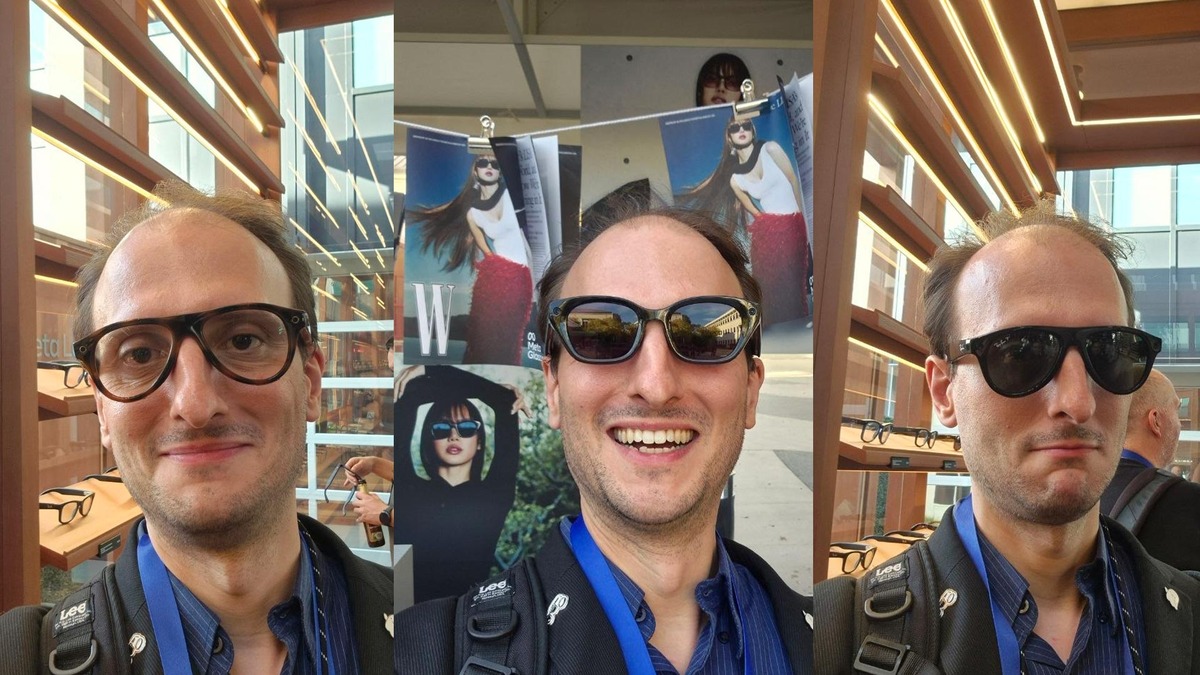
For developers seeking immediate revenue, the enterprise sector offers a more viable path than the consumer market. Businesses are increasingly interested in on-premises AI assistants that avoid sending sensitive data to external cloud services, creating opportunities for secure, localized applications. Devices like the Vive Eagle and Mentra support these enterprise workflows, and solutions like NVIDIA's XR AI facilitate the deployment of dedicated AI systems for factory workers and warehouse management. While consumer apps remain a speculative bet on future hardware improvements, enterprise applications provide a clearer route to profitability by addressing specific operational needs such as training, research, and industrial efficiency.