RayNeo iO Smart Glasses Review: AR Without a Camera, Focused on Audio Input
 Public
- 10 Sep, 2026
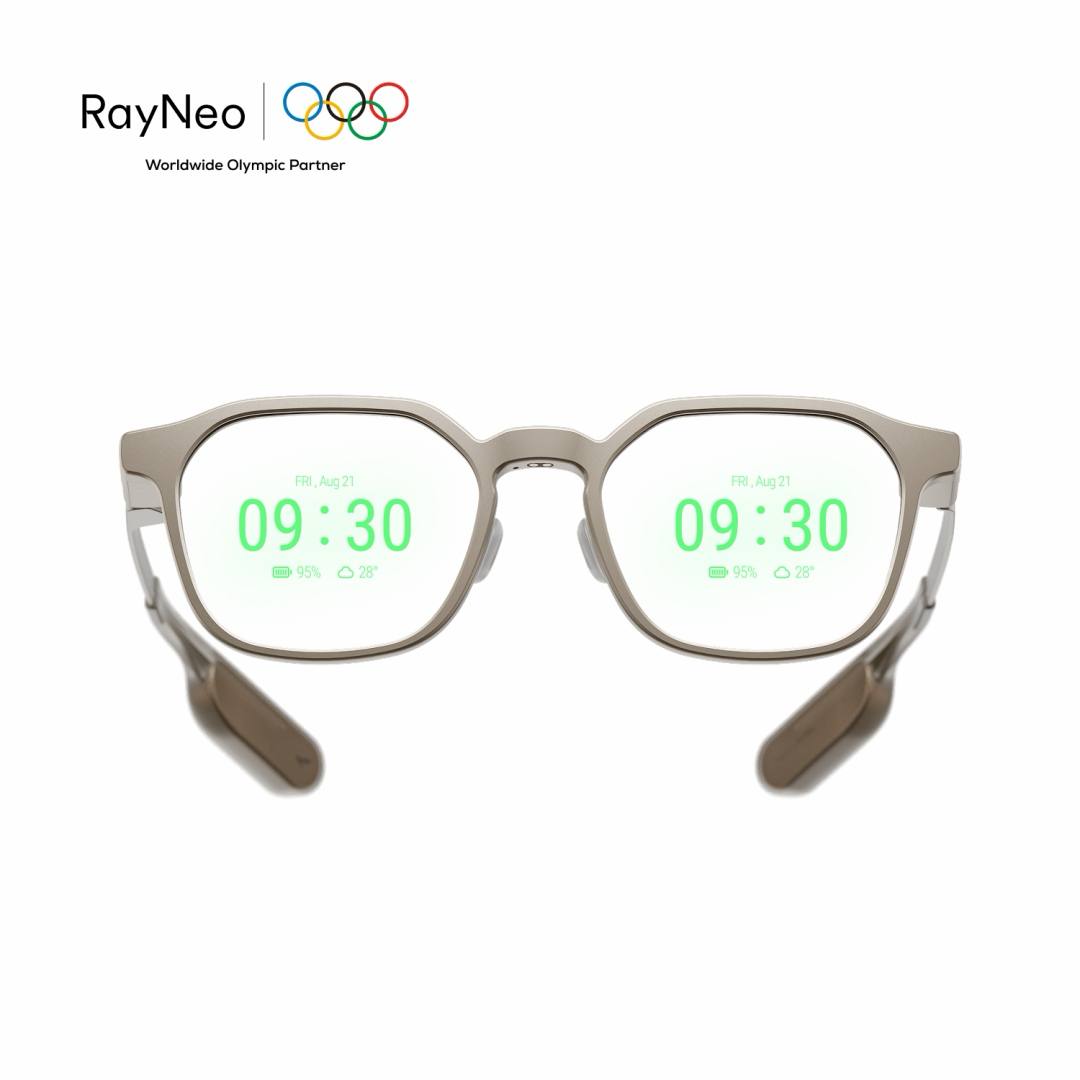
RayNeo has launched the iO Smart Glasses, a camera-free pair built around productivity and AI assistance rather than shooting photos or video. The device is made by a TCL subsidiary, which has previously released products like the X3 Pro. The iO clearly takes inspiration from the Even Realities glasses, which have found success in certain niches: it has a display but no camera, keeping the frame light and privacy-friendly. The main goal is not to capture content like Ray-Ban Meta, but to be an always-with-you companion that listens to conversations and helps with everyday tasks, including live captioning for people who are deaf or hard of hearing.

The hardware is impressively thin and light. At just 33 grams, the glasses almost pass for regular eyewear, and the lack of cameras and speakers is key to that slim profile. The only obvious sign that they are smart glasses is the faint green light of the display leaking to the outside. The design is functional rather than fashionable, and the fit varies heavily by face shape. More importantly for a device meant for all-day wear, comfort is a weak point: after about an hour, the glasses began causing real discomfort where they rest on the bridge of the nose and around both ears, and after eight hours they left visible marks on the nose and reddened skin near the ears.
The frame's thin legs end in large protrusions that press against the area between the ears and skull, creating an annoying pressure over time. Two transparent rubber covers are included to keep skin from touching the metal, but they make the frame ends even thicker and only worsen the pressure. A replacement nose pad in the box turned out to be the same shape as the stock one, offering no relief for larger noses. Other reviewers have not complained about comfort, so the issue appears to depend heavily on head and face geometry, but for this tester the glasses were comfortable only for about an hour.
The dual monochrome display is a strong point. Its field of view is just above 23°, which is enough for notifications but a bit tight for text-heavy views like the teleprompter. Text is clear, brightness reaches 1200 nits for usable outdoor visibility, and the very transparent lenses do not darken the surrounding world. The display sits in the upper part of vision, so notifications do not block natural sight, but prolonged reading causes slight eye strain because eyes are not comfortable looking constantly upward. There is also no privacy: people nearby can read what is shown on the screen, so sensitive information should not be viewed on these glasses.
One of the most surprising decisions is the complete absence of speakers. This keeps both price and weight low and makes the experience far less obtrusive, but it means no spoken AI responses, no music playback, and no phone calls: all popular Ray-Ban Meta use cases that are unavailable here. Combined with the lack of a camera, the iO effectively sits in a different product category. What it does have is a solid microphone array that hears not only the wearer but also people around them, and reliably detects who is speaking in a conversation.
Battery life is a genuine highlight. RayNeo claims up to two days of normal usage and more than six hours of continuous translation. That endurance, together with the strong microphones and a readable display, makes the iO a distinctive productivity tool. Still, the unresolved comfort issues, the absence of speakers, and the fixed upper position of the display leave a noticeable gap between what the glasses promise on paper and what they deliver when worn all day in the real world: this is worth weighing carefully before buying.