NVIDIA Unveils Rubin HPC GPU with More Than 50,000 CUDA Cores for Agent-Driven Simulation
 Public
- 17 Nov, 2026
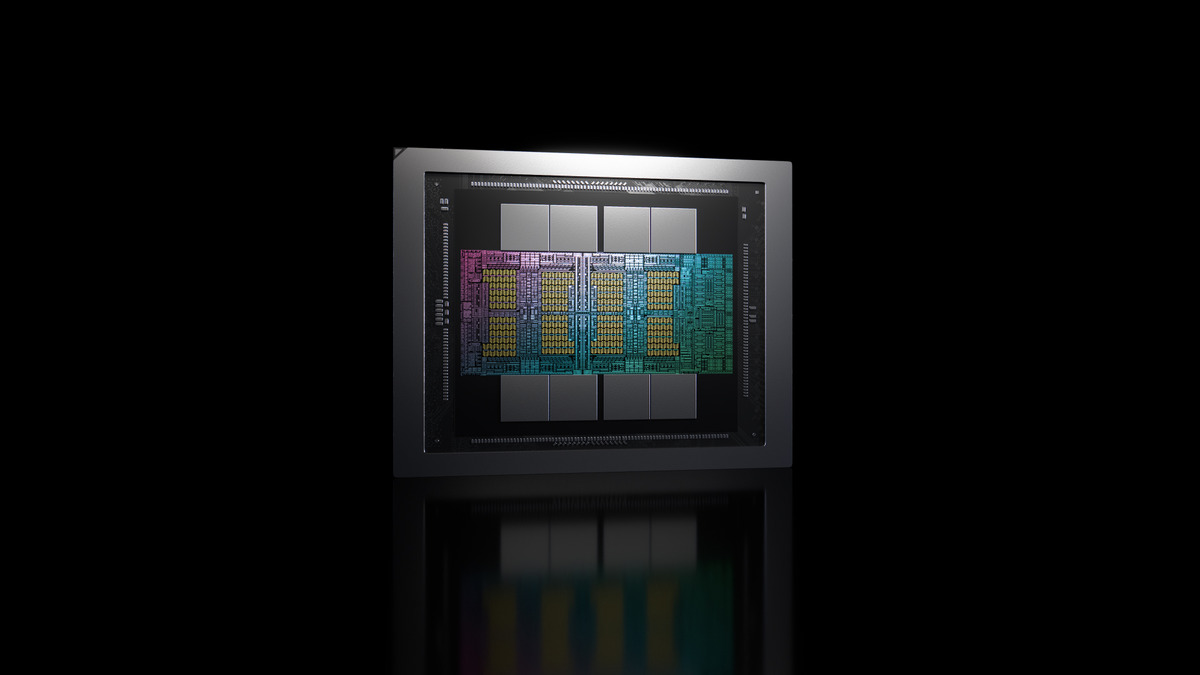
At SC26, NVIDIA introduced Rubin HPC, a new GPU within the Vera Rubin platform. It is designed for simulation and data processing in science, engineering and analytics. The chip targets a pattern that is increasingly common in research and industry: AI agents propose candidate materials, molecules and designs, then use simulations to evaluate them and decide what to try next. More candidates mean more simulation demand, and Rubin HPC is meant to absorb that load.
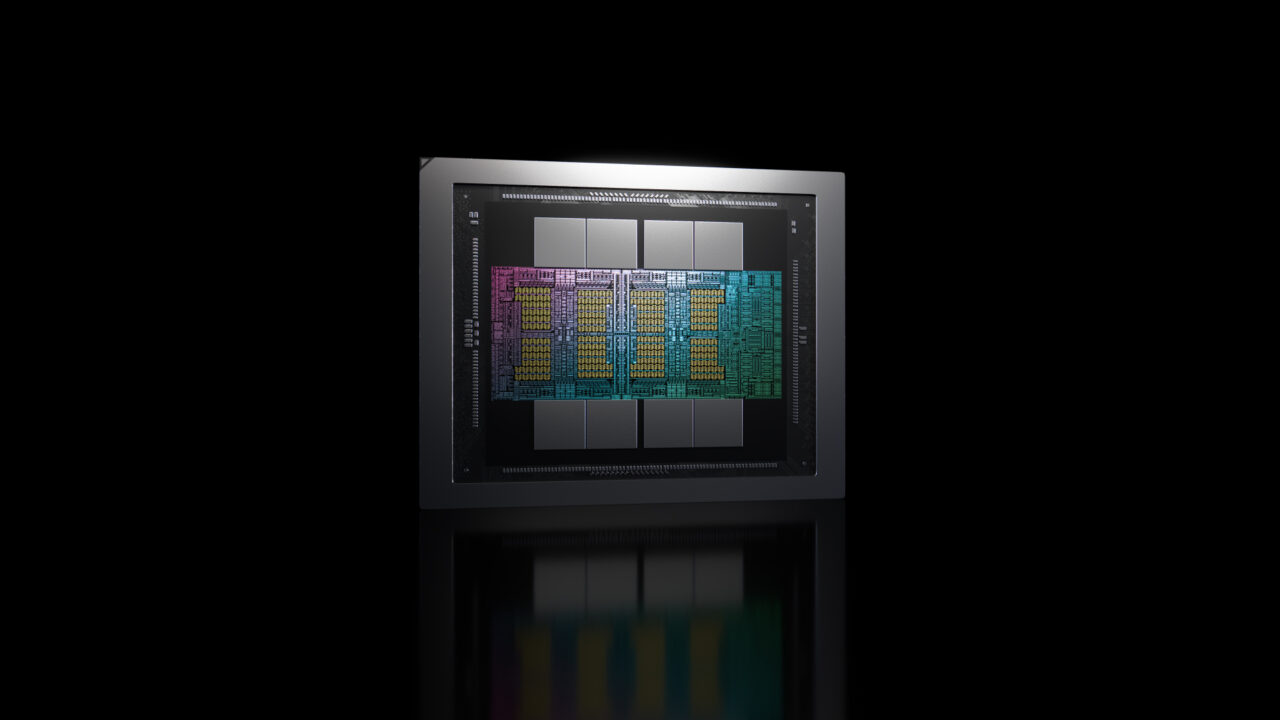
On the hardware side, Rubin HPC sets a record for the number of CUDA cores: there are more than 50,000 on a single GPU. A new sparse data acceleration feature is meant to keep those cores from sitting idle without data, while seventh-generation NVLink speeds up communication between GPUs. Overall, the architecture is balanced: data bandwidth scales together with compute power, rather than simply adding more and more arithmetic units.
That balance suits a common shape of scientific workloads. Climate models, engineering simulations, genomic analysis and financial risk calculations typically work the same way: a program reaches into a huge dataset, pulls a few scattered values, computes a result and repeats this at enormous scale. When the cores are kept fed with data, they compute instead of waiting. This speeds up recurring operations such as sparse matrix operations, stencil computations, sorting and reductions.
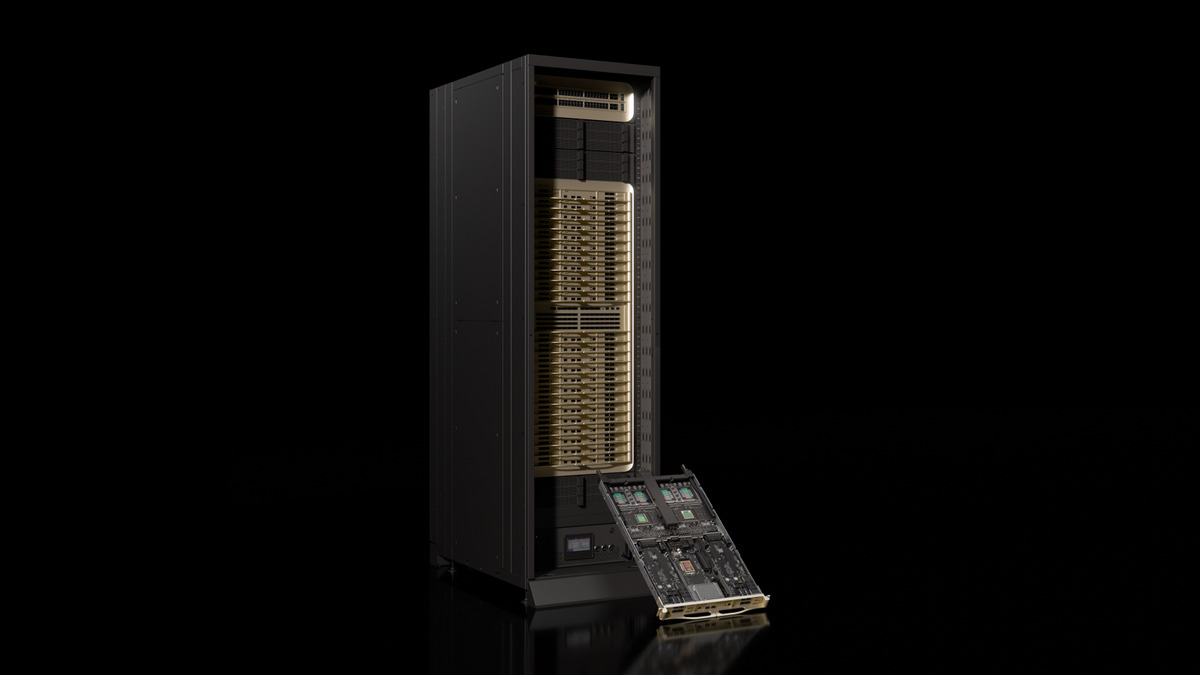
On the software side, NVIDIA positions its CUDA-X libraries as a growing set of optimized algorithm implementations that agents can call, including those most relevant to simulation and analytics. Paired with Rubin HPC, they are intended to shorten the "hypothesis, simulation, refinement" loop, so teams can pick next steps sooner and direct lab work toward the most promising candidates. Ian Buck, NVIDIA's vice president of hyperscale and high-performance computing, framed it simply: faster simulation means faster discovery. Rubin HPC is expected to be available in 2028.