Meta's 2027 VR Glasses Launch: A Strategic Pivot Away from Gaming
 Public
- 08 Oct, 2026
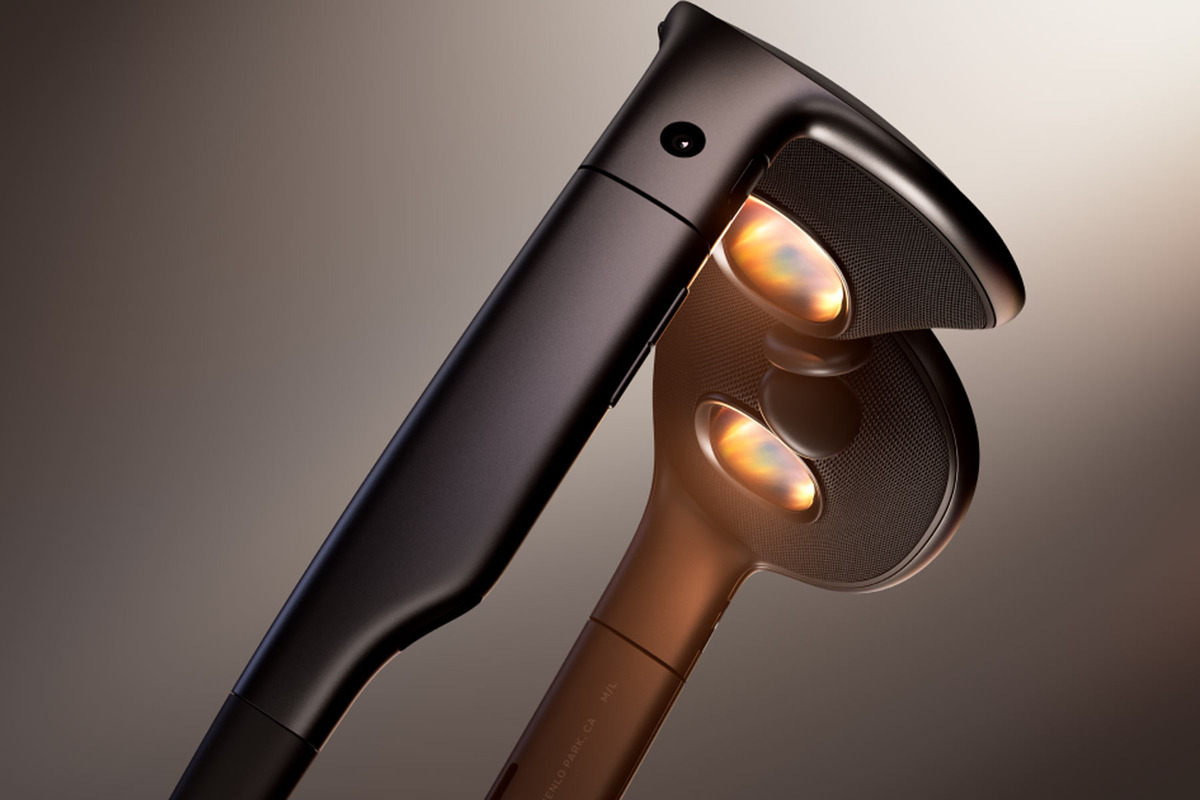
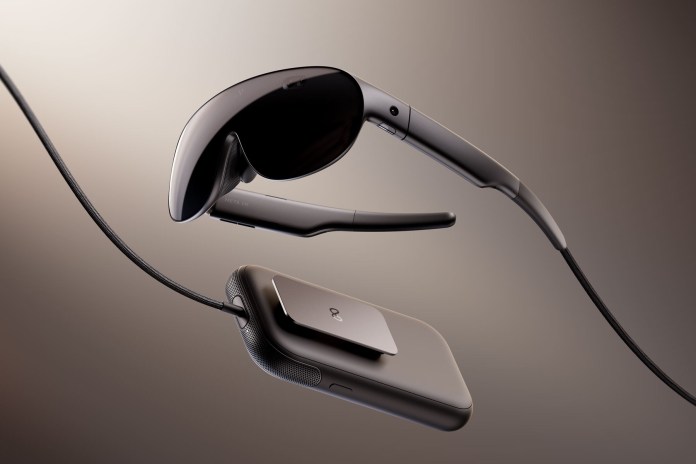
Meta has officially announced VR Glasses, a new mixed reality headset that will go on sale in Spring 2027 for $1,300. The device is tethered to a compute puck, which distinguishes it from standalone headsets. It runs the same operating system as the Quest series, ensuring compatibility with the existing library of Quest 3 games. While the hardware prioritizes hand tracking as the primary input method, users can still pair it with Touch Plus controllers to access the full back catalogue of titles. This approach allows the device to leverage established software while introducing a new form factor to the market.
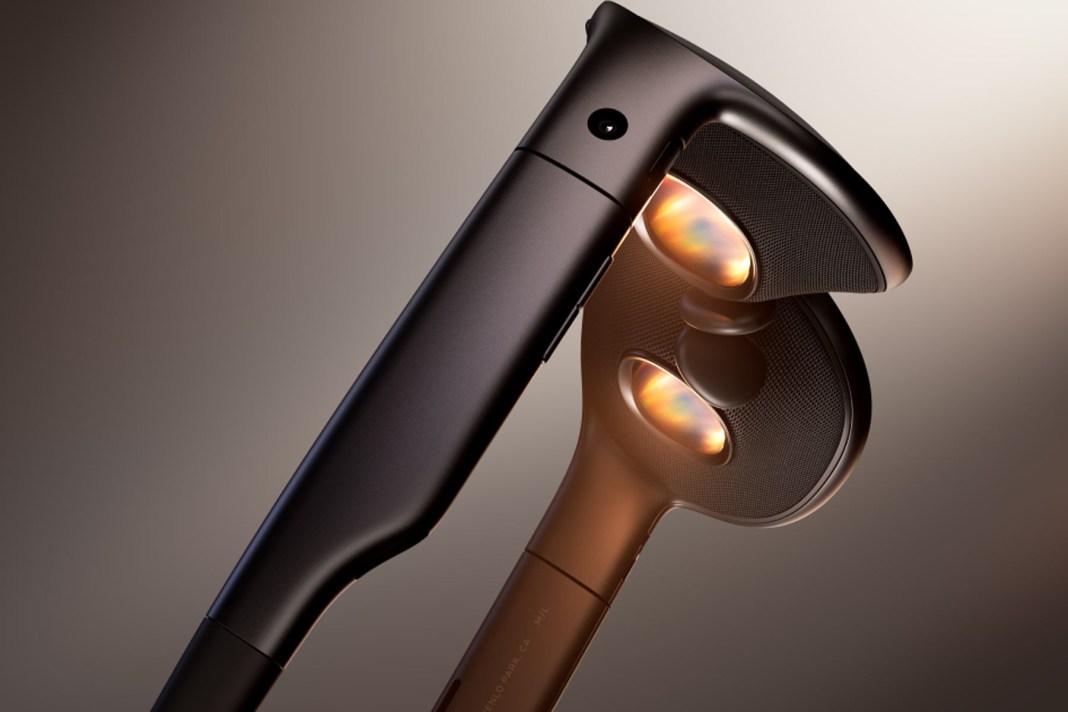
Despite sharing software with Quest, VR Glasses are not a direct replacement for the current lineup. The new device is significantly more expensive and offers a narrower field of view, resulting in less immersion compared to dedicated VR headsets. Meta is positioning VR Glasses specifically for productivity, communication, and casual media consumption rather than gaming. Ryan Cairns, Meta's Vice President of VR, clarified that the product is part of a "glasses continuum," intended to bridge the gap between audio-only glasses and full immersive VR. This strategic positioning suggests a deliberate move away from the high-immersion gaming focus that defined previous Quest iterations.
The introduction of VR Glasses coincides with a dramatic contraction of Meta's gaming ecosystem. Earlier this year, the company shut down three major internal studios: Armature Studio, Twisted Pixel, and Sanzaru Games. Additionally, funding was pulled from partner studios, leading to the cancellation of projects from Skydance Games, Cloudhead Games, and Polyarc, the latter of which was forced to shut down. Meta CTO Andrew Bosworth acknowledged this shift, stating that the "gravy train has come to a stop." This reduction in content development reflects a reaction to an underperforming games market and a decision to rein in multi-million-dollar spending on a platform that has not yet turned a profit after seven years of Quest sales.
The impact on the developer ecosystem has been severe, with studios like Schell Games and Mighty Coconut conducting layoffs. Schell Games CEO Jesse Schell noted that headset-based VR has dropped from 80% to 30% of their work, while Mighty Coconut is downsizing by 10 staff members. Beyond games, Meta has shuttered Horizon Workrooms and disentangled Horizon Worlds from Quest, turning it into a non-VR social platform. This broader redefinition indicates that the metaverse is no longer the company's primary spiritual anchor. Instead, Meta is betting on augmented reality and AI-driven wearables, with VR Glasses serving as a natural bridge to future AR devices like the Orion prototype.
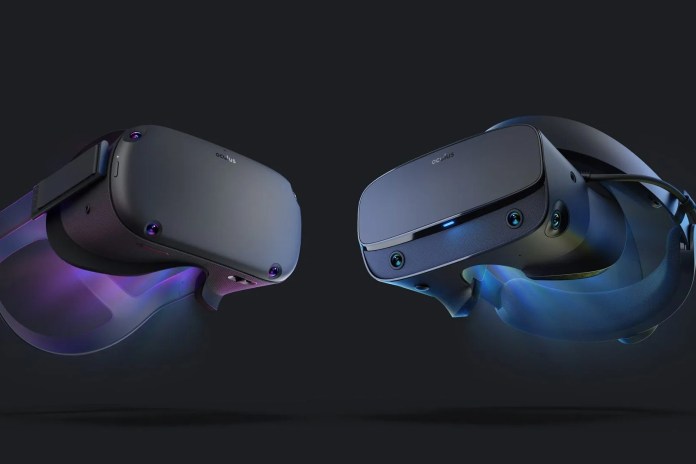
The future of the Quest line remains ambiguous. While Meta is not abandoning the platform, it is no longer positioning Quest as the future of everything. The company may keep Quest alive as an affordable gaming platform with a large install base, but its strategic focus has shifted. A Meta spokesperson stated that the company is exploring a roadmap of VR devices tailored to different audience segments, but notably did not promise a future gaming-focused headset. With Quest 3 now three years old, fans of flagship gaming hardware may face a longer wait. The commercial success of VR Glasses in 2027 will likely determine whether Meta continues to support the gaming-focused Quest line or simply coasts until existing stocks run out.