Meta unveils new SDKs for spatial interfaces in standard Android apps at Connect 2026
 Public
- 21 Oct, 2026
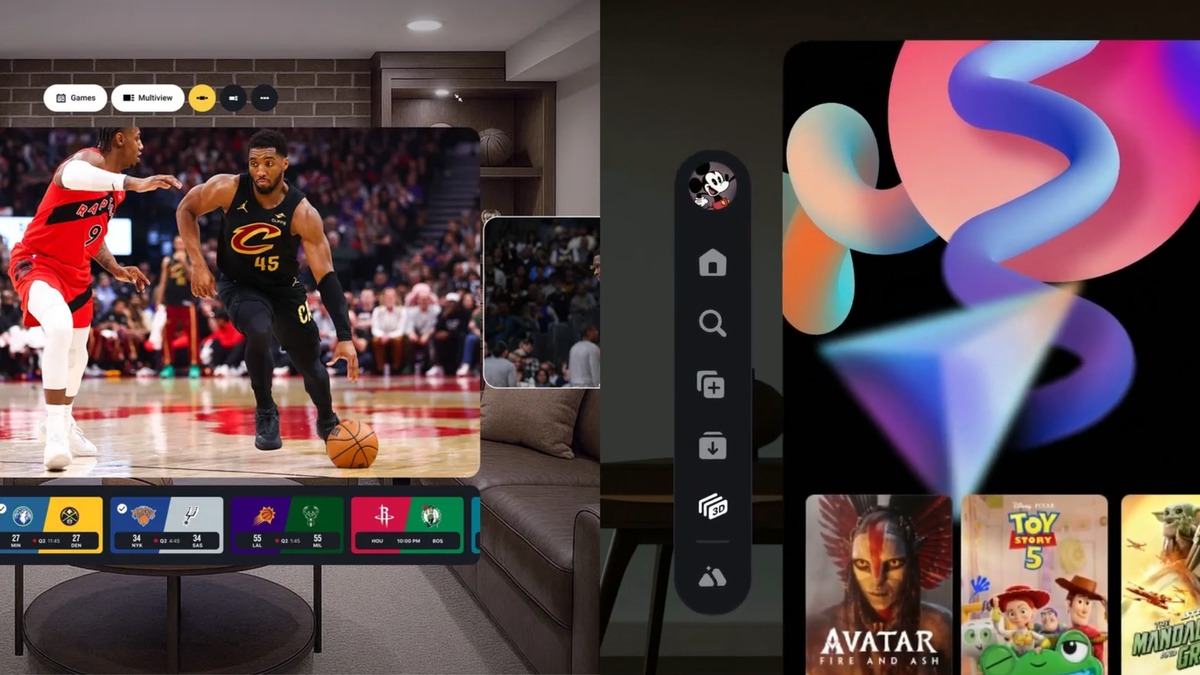
During Meta Connect 2026, the company announced a suite of new Software Development Kits (SDKs) designed to integrate spatial elements into standard, non-immersive applications on Horizon OS. Historically, 2D apps on the platform were confined to tablet-style interfaces, forcing developers to use the full Spatial SDK if they wanted to add floating windows or spatial UI components. The new approach allows developers to keep their existing activity and UI architecture while adding spatial capabilities. This significantly lowers the barrier to entry for spatial design in traditional Android apps.
The centerpiece of the announcement is the Meta VR Layout SDK. It lets developers add spatial components and windows around the main window of a standard Android app built with Jetpack Compose or React Native. Unlike the Spatial SDK, which creates fully immersive experiences, the Layout SDK allows apps to remain non-immersive and coexist with other open applications. It supports window layouts similar to those in visionOS, but it does not allow spawning 3D objects or controlling the environment: those capabilities still require the full Spatial SDK. The NBA app is highlighted as one of the first examples of using this technology to improve multi-view UIs.
Compatibility is a key constraint for these new tools. The Meta VR Layout SDK is fully supported only on Horizon OS 2.7 and later. On earlier versions, the SDK automatically falls back to non-spatial behavior, keeping the main window functional, while spatial window components use developer-configured fallbacks. Alongside this, Meta is shipping a new Gaze SDK for Jetpack Compose, React Native, and Android Views. This SDK addresses input challenges in Meta VR Glasses, which use a "Look and Pinch" scheme based on eye and hand tracking. The Gaze SDK allows developers to give the system hints to prevent misclassification of customized components and to customize hover behavior, though it is currently in early access.
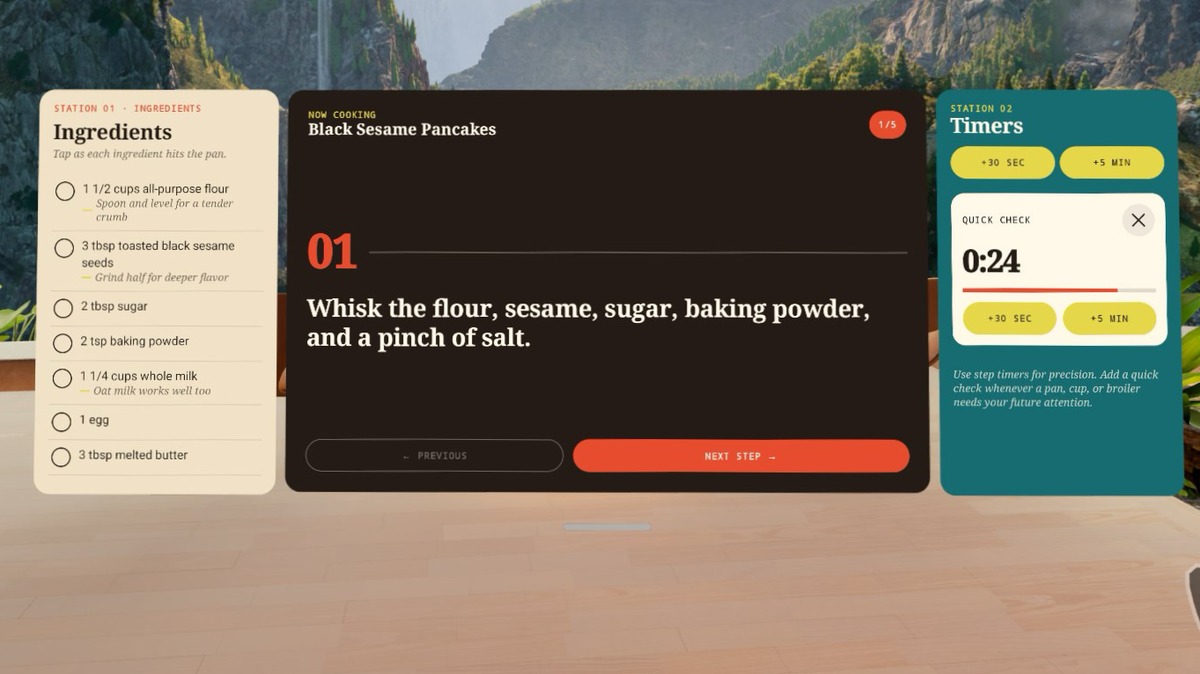
To address the lack of a cohesive visual identity for 2D apps, Meta is introducing the Meta VR UI Set SDK, a Jetpack Compose design system that serves as the successor to the previous Horizon OS UI Set. This SDK provides dark and light color schemes, semantic colors, typography, icons, and interaction feedback specifically optimized for VR devices. Unlike the previous UI Set, which was impractical for standard 2D Android apps, the new SDK is designed for easy adoption by 2D developers and is noted to be optimized for implementation by AI coding agents. This move aims to ensure that 2D apps on the platform adopt consistent visual styles and interaction patterns that match the broader system.
The practical impact of these tools is already visible in major third-party applications. Disney+ on Quest, which previously lacked the 3D content and custom environments available on Apple Vision Pro, will receive a major update in November. The update will overhaul the UI to be more spatial, add support for 3D media, and introduce several 3D environments from the visionOS version. The launch coincides with Meta's plan to add hundreds of rentable movies in the US later this year, with a catalog expected to expand to thousands of titles internationally by the time Meta VR Glasses launch in 2027.