Alibaba Qwen N1 Pro: Precise Eye Tracking and Health Sensors in Smartglasses
 Public
- 21 Oct, 2026
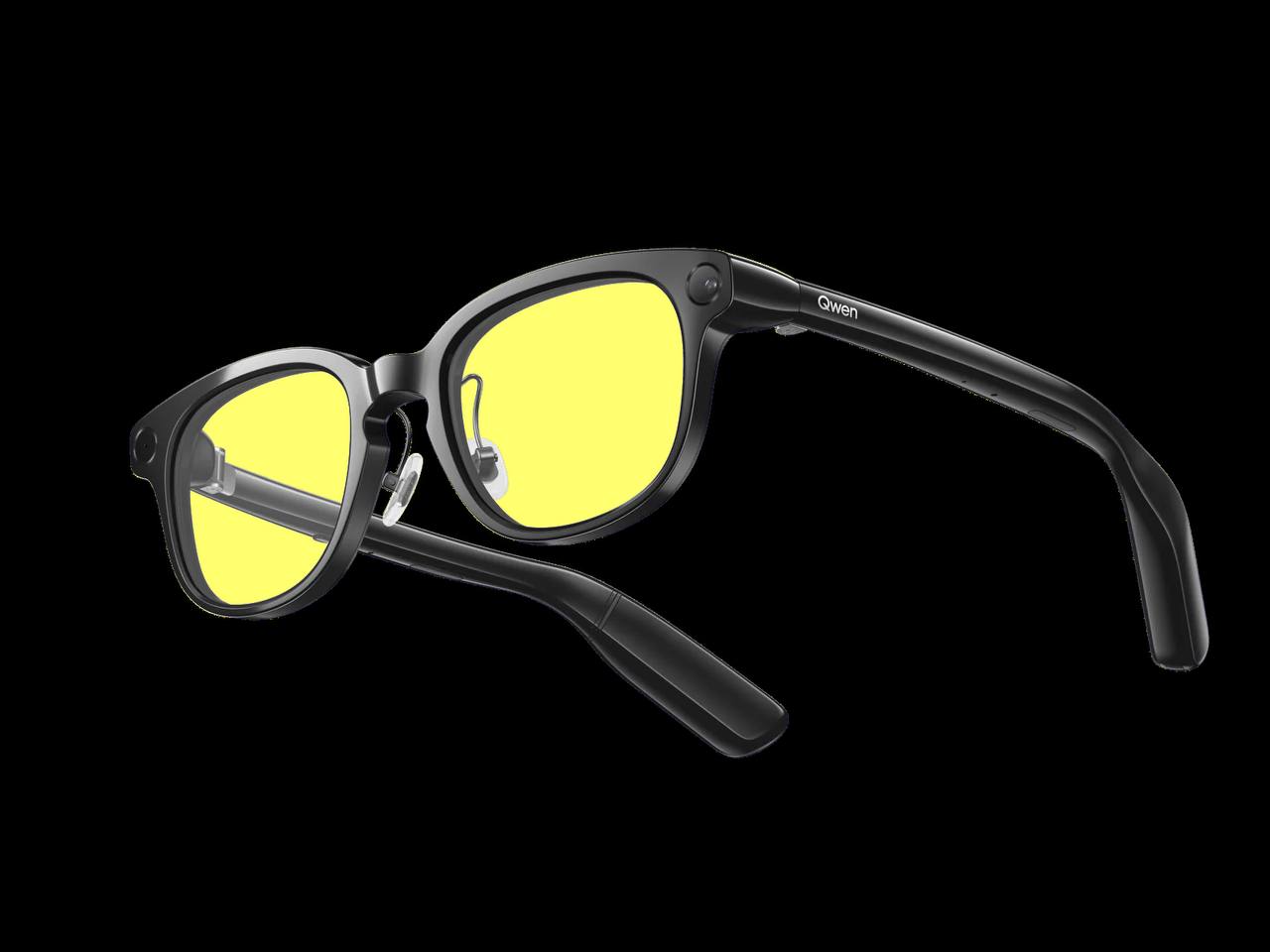
Alibaba has expanded its hardware portfolio by launching the N1 series of smartglasses in Hangzhou. While the standard N1 model lacks a display and competes directly with the Ray-Ban Meta for use cases like phone calls, live translation, music streaming, and AI assistance, the hardware specifications are significantly higher. The device features a 50-megapixel camera capable of recording 4K video, a substantial upgrade from the 12-megapixel sensor found in the Ray-Ban Meta. Battery life is also extended, offering up to nine hours of continuous music streaming or 25 hours in standby mode, compared to the six hours provided by its main competitor. Early hands-on reports indicate that the camera performance is robust, producing clear images even in low-light conditions.
The standout innovation in the lineup is the Qwen N1 Pro, which integrates a dedicated eye-tracking module. This system uses a tiny 1.7mm camera per eye to track gaze with an error of less than one degree. Unlike previous devices that infer attention from head pose, this hardware allows the glasses to determine exactly what the user is looking at. This capability provides precise context for the built-in AI assistant, enabling it to answer questions about specific objects in the user's field of view. The technology also supports iris authentication, allowing users to securely authorize Alipay payments without manual input, which adds a layer of protection against theft.
Beyond visual tracking, the Qwen N1 Pro is equipped with health monitoring sensors located in the nose bridge. These components measure body temperature, heart rate, and other physiological data, effectively turning the smartglasses into a wellness device. This feature addresses a common criticism of smartglasses, which lack the health sensor capabilities found in smartwatches. For professional users, this data could be used to monitor stress levels during work or to ensure safety protocols are followed in industrial training environments by verifying that operators are looking at the correct machine indicators.
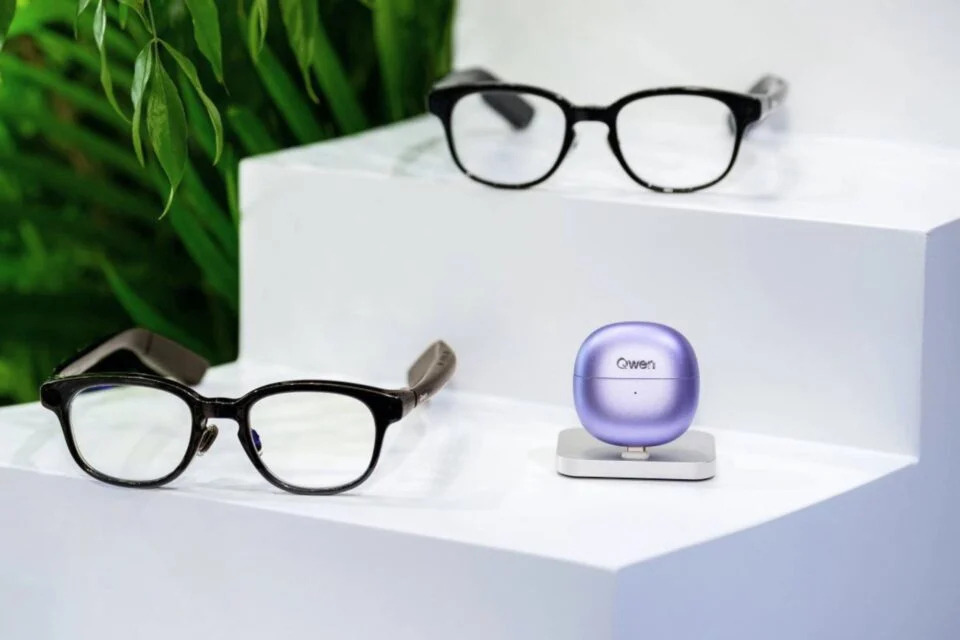
The N1 series is deeply integrated with Alibaba's ecosystem, including Alipay and Taobao, which play a central role in daily life in China. Users can make payments by scanning QR codes with the glasses or request purchases on Taobao via voice commands. The Qwen N1 Pro is priced at 3,499 yuan, with a launch discount bringing it down to approximately 2,600 yuan. The standard N1 model costs 2,999 yuan. While the hardware offers more features than the Ray-Ban Meta, it costs more. Availability outside of China remains uncertain, largely due to the tight coupling with domestic services that have limited utility in Western markets.