Meta confirms decline in Quest sales and shifts its VR strategy toward breakthrough releases
 Public
- 26 Oct, 2026
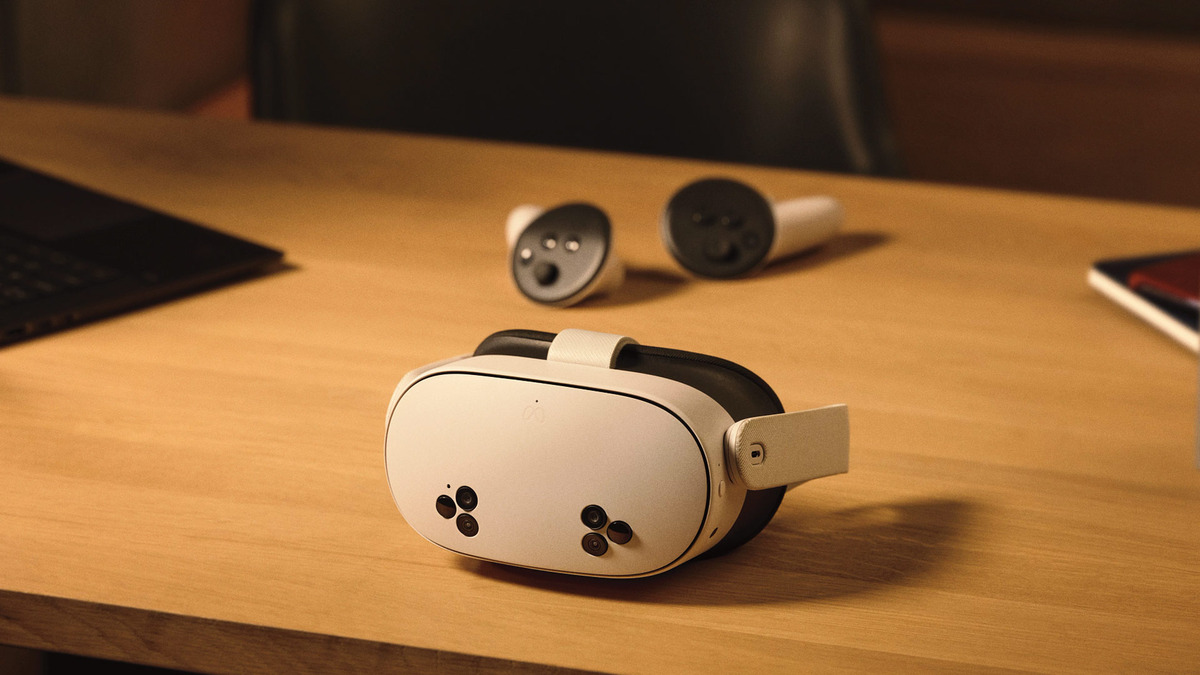
Meta's latest quarterly report shows a notable decline in Quest headset sales, which led to a 6% drop in revenue for the Reality Labs division in the third quarter of 2026. The segment's total revenue came to $443 million. This decrease was partially offset by steady growth in AI glasses revenue, which points to a clear shift in consumer demand and corporate priorities. The financial data highlights that while VR hardware sales are slowing, the new AI-focused wearables are gaining traction, changing the revenue structure of Reality Labs.
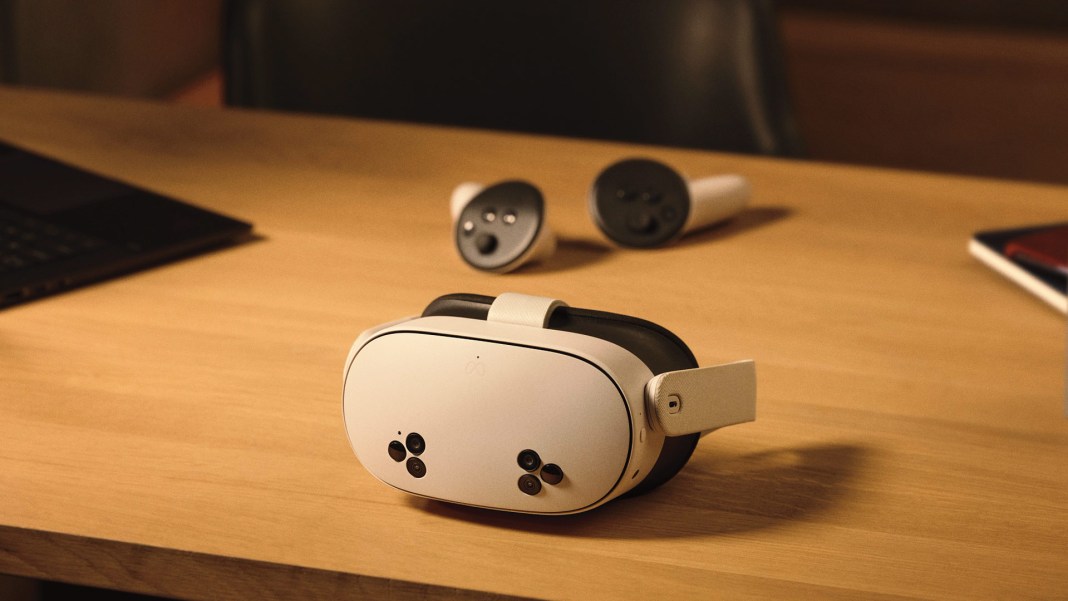
In response to these trends, Meta has officially changed its approach to developing VR hardware. CEO Mark Zuckerberg stated that the company will now ship new VR devices only after "major breakthroughs," similar to those seen in the Meta VR Glasses released this year. This strategy departs from the previous model of regular generational updates for consumer headsets. By tying releases to significant technological leaps rather than annual cycles, Meta is effectively stepping back from iterative improvements in favor of more impactful, albeit less frequent, product launches.
The company is currently prioritizing the path toward personal superintelligence and AI advancements, which have taken precedence over expanding VR hardware. Zuckerberg emphasized that while he believes VR is the necessary precursor to a future holographic experience blending the physical and digital worlds, the pace of investment in this area will be adjusted. The focus is now on delivering AI capabilities first, with VR serving as a foundational step rather than the primary immediate goal. This strategic pivot means that resources are being redirected from consumer VR content and hardware to the development of advanced AI systems and wearables.

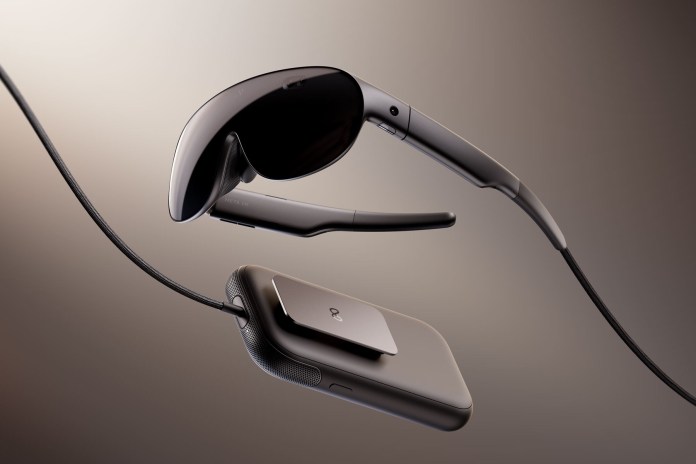
Looking ahead, the Meta VR Glasses, scheduled for launch in Spring 2027, are positioned as a key product for prosumers and professionals at a price of $1,300. The device is viewed less as a traditional VR headset and more as a stepping stone toward augmented reality. Meanwhile, the future of the game-focused Quest platform remains uncertain, as Meta holds off on iterative VR releases. Although potential discounts on Quest 3 and 3S models during the holiday season could provide a temporary sales boost, the company has already pulled most of the funds dedicated to large-scale VR content, confirming a long-term commitment to its new AI-centric direction.