Meta Brings Its Muse AI Agent to Smart Glasses
 Public
- 29 Sep, 2026
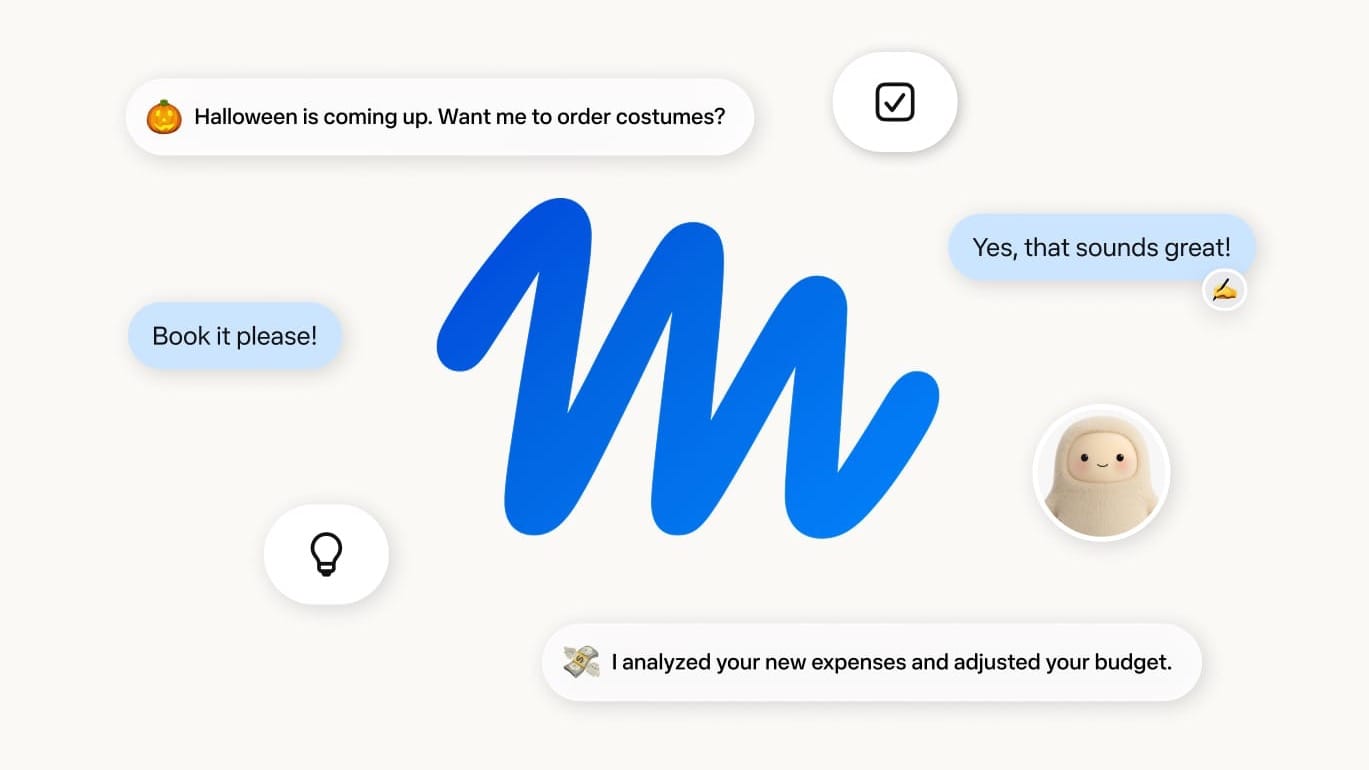
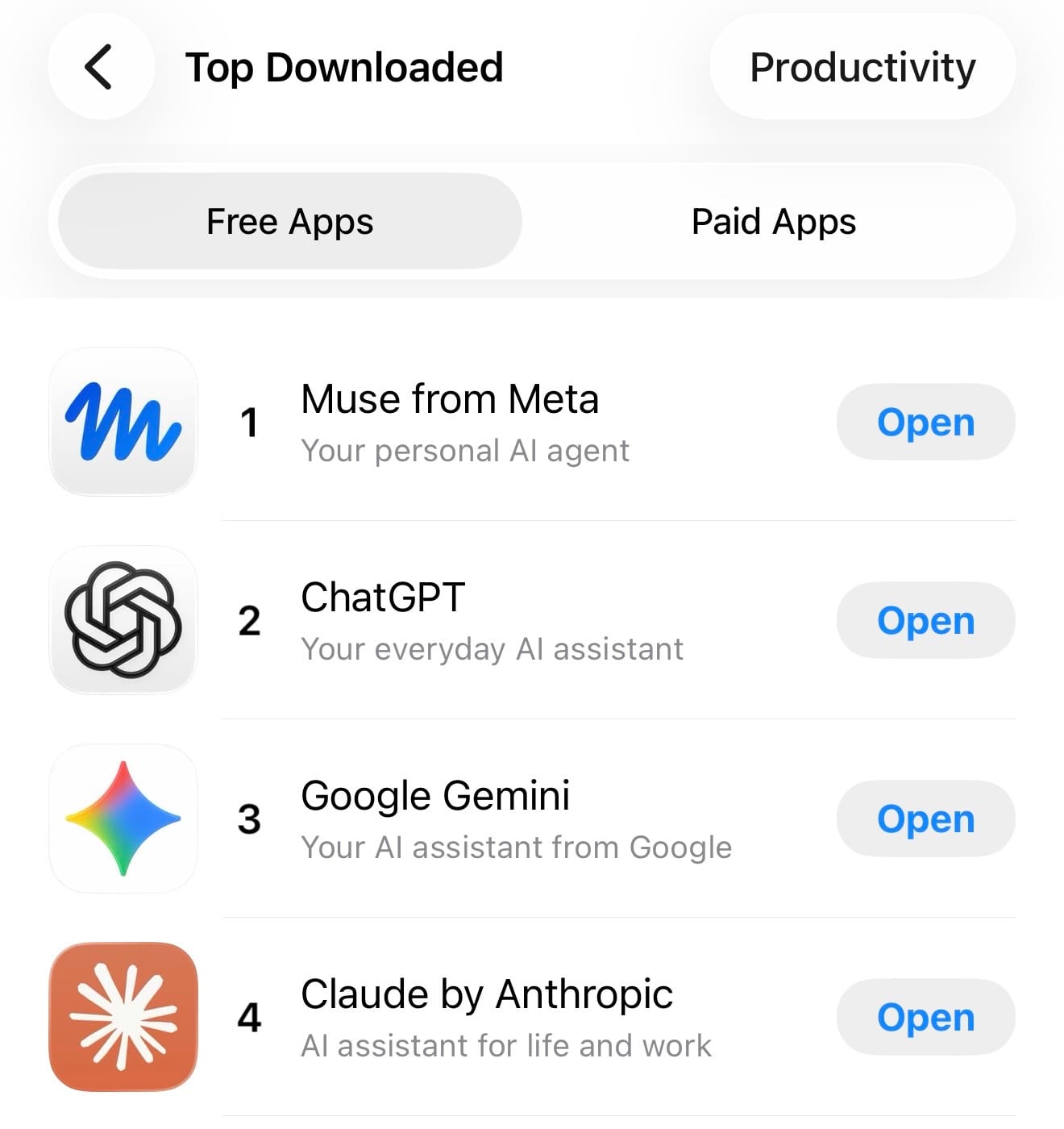
Meta will "soon" bring its Muse AI agent to its smart glasses, where it will carry out requests while the phone stays in the pocket. Unlike a simple chatbot, Muse is an agent that performs tasks rather than merely offering responses. It launched earlier this month on smartphones and the web in the US, quickly rising to the top of App Store downloads and earning strong reviews from journalists and regular users alike.
Powered by its Muse Spark AI model, the agent runs on a private, persistent Linux virtual machine in the cloud, complete with its own browser, filesystem, and terminal that continue running whether or not the app is open. To reach a goal, Muse can write and run code, hand work off to multiple subagents, and create scheduled jobs. It can also produce documents, PDFs, websites, and interactive tools such as spending trackers or dashboards.
Muse is distinctly consumer-oriented, with a simplified instant-messaging interface and a friendly avatar, and its marketing is aimed at everyday tasks rather than developers and professionals. Meta says it can book travel, send emails, fill out forms, and purchase products through websites. It also describes heavier work, such as negotiating a bill and helping sell a car, and Muse can even make phone calls. For payments it uses Link from Stripe, which issues virtual single-use cards for each payment, so the agent never sees personal card or bank details; Shop Pay and 1Password support are on the way.
On smart glasses specifically, Meta points to booking appointments, checking flight prices, finding replacement parts, logging meals, providing workout guidance, and helping buy products the wearer sees. Users activate it with "Hey Muse" (or the chosen name) followed by a request; it then works in the background and checks back when the task is done. Meta says it won't use Muse data for advertising, though it will train future models on it unless users opt out. The current virtual machine is isolated but accessible to Meta; a Confidential VM option, which Meta will not be able to access, arrives later this year.