Junie Local gets stable Windows support and NVIDIA RTX Spark integration from day one
 Public
- 17 Oct, 2026
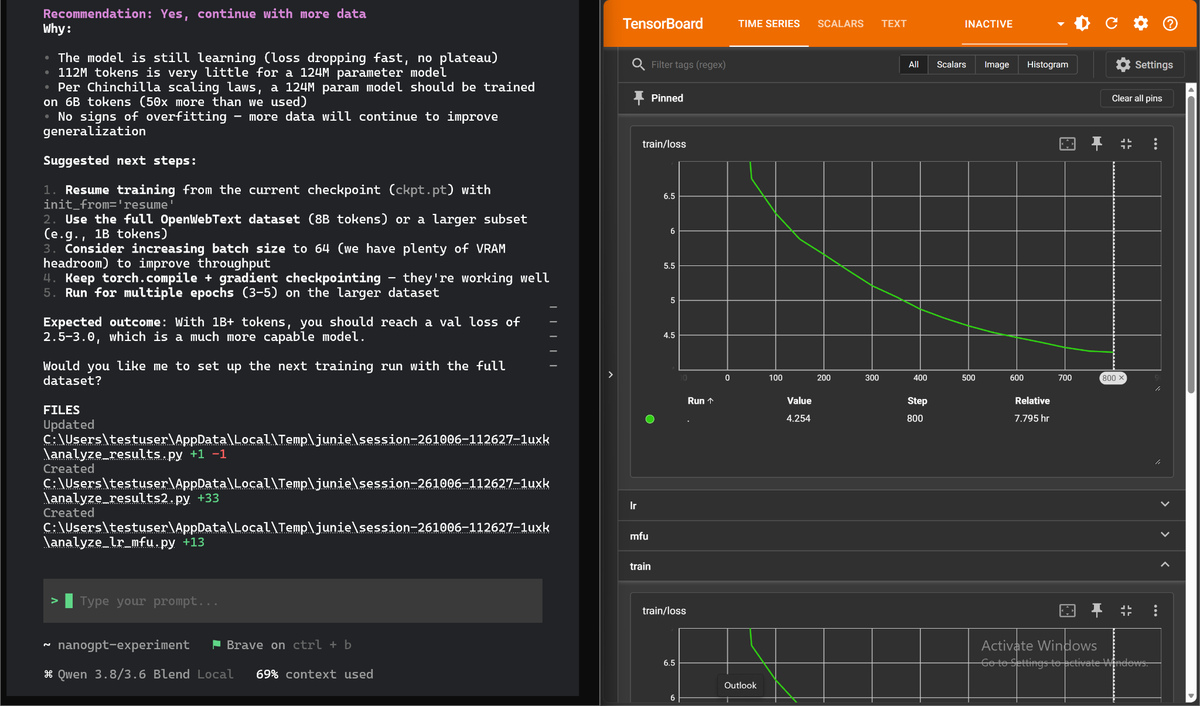
Junie Local is now fully supported on the NVIDIA RTX Spark platform from day one, marking a significant milestone for local AI development on Windows. This update transitions Windows support from an experimental state to a stable release, allowing developers to run a comprehensive coding agent directly on their hardware. The RTX Spark combines a Blackwell RTX GPU with a Grace CPU, creating a powerful environment for running larger local AI models in slim laptops and compact desktops. By leveraging this specific hardware architecture, Junie Local brings advanced AI coding capabilities to everyday workflows, eliminating the need for cloud-based processing and ensuring that all code remains entirely on the user's machine.
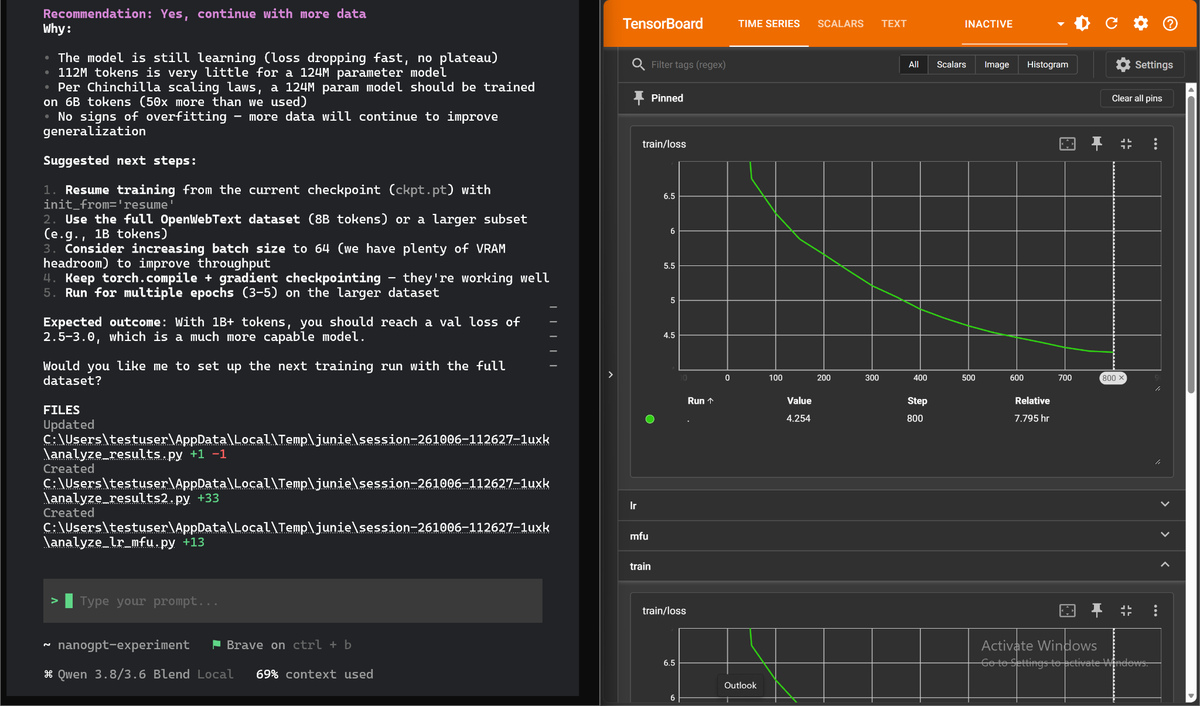
The technical implementation on the RTX Spark involves significant optimizations to adapt both setup and inference processes to the unique hardware constraints. Junie Local automatically adjusts the context window size to fit the available GPU memory, allowing the system to retain more code, tool outputs, and conversation history during active sessions. For inference, the software utilizes Blackwell's Tensor Cores to perform efficient FP8 computations, which significantly speeds up context processing. Additionally, the system employs speculative decoding, a technique that drafts several tokens ahead and verifies them in a single pass, thereby accelerating overall generation speeds. These optimizations are designed to maximize the compute capacity of the GPU while maintaining high performance for complex coding tasks.
Performance testing on the RTX Spark has demonstrated generation speeds of up to 55 tokens per second, establishing an initial baseline for the platform. While this figure represents the current state, further inference optimizations are already in development to improve these metrics. The transition to stable Windows support also means that users with NVIDIA RTX cards featuring 24 GB of VRAM, such as the RTX 3090, 4090, or 32 GB 5090, can now run Junie Local reliably. This expands the hardware compatibility beyond the initial requirement of an M5 Mac with 64 GB of memory, making the tool accessible to a broader range of developers who own modern NVIDIA graphics cards.
To get started, users must ensure they have NVIDIA driver version 581 or newer installed, along with approximately 20 GB of free disk space to accommodate the model files. The installation process involves running a specific PowerShell command that sets the necessary environment variables and downloads the required components. Once installed, launching Junie and running the /model command allows users to select a model, after which the local engine starts and switches the session to local processing. Junie Local remains completely free to use, with no registration, subscription, or credit requirements. The team is currently working on expanding the choice of local models and improving coding performance to reduce the time and memory needed to complete tasks.