Java and Kotlin by IntelliJ IDEA extension for VS Code and Cursor reaches stable version 1.0
 Public
- 15 Oct, 2026
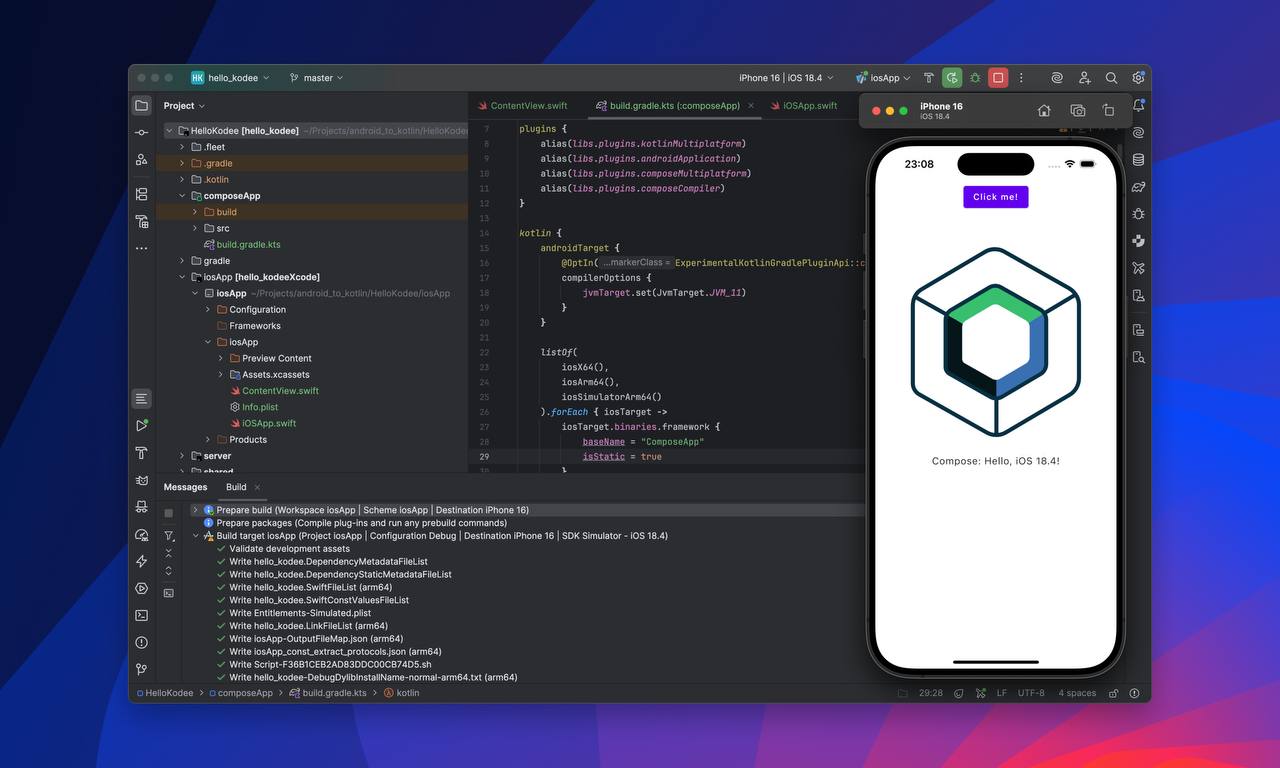
JetBrains has officially released version 1.0 of Java and Kotlin by IntelliJ IDEA, marking the transition from a free preview to a stable product. This LSP-powered extension brings the core language intelligence of the IntelliJ IDEA desktop IDE directly into Visual Studio Code and Cursor. The release is the result of close collaboration with the Cursor team, who worked alongside JetBrains to ensure that Java and Kotlin developers get a seamless, first-class environment within Cursor. By leveraging the Language Server Protocol, the extension allows the same underlying technology used in the main IDE to power language features in other editors, ensuring consistency and reliability for professional development workflows.
The extension is designed to support the shifting landscape of agentic development, where developers spend less time on manual code editing and more time orchestrating AI agents. When manual editing is required, the extension provides a focused set of essential features, including navigating to declarations, finding references, code completion, and refactoring operations like renames. These capabilities are implemented via the Language Server, which can be called directly by agents. This direct integration allows agents to produce faster and more deterministic results while consuming fewer tokens, a significant advantage in automated coding scenarios. The underlying Debug Adapter also ensures that debugging capabilities remain robust and aligned with the IntelliJ IDEA experience.
For users working in Cursor, the extension offers dedicated support for the Agents Window. This feature allows the window to utilize its own instance of the Language Server to provide advanced analysis capabilities based on IntelliJ IDEA's inspections. This includes specific support for nullability annotations using JSpecify and detailed understanding of Spring Framework specifics. Upon opening a project, the extension automatically analyzes its structure and imports the project based on detected Maven, Gradle, or Bazel build files. This automatic setup enables immediate access to Java and Kotlin language features without requiring complex manual configuration, streamlining the onboarding process for new projects in external editors.
To avoid conflicts and duplicated behavior, developers are advised to disable other Java extensions, such as those from Red Hat or Oracle, when using this extension. However, it is designed to work harmoniously with other tools, including Spring Tools from the Spring Team. With the move to version 1.0, the extension exits its free preview phase. Usage now requires an IntelliJ IDEA Ultimate subscription, although a 30-day trial period is available to test the full feature set at no cost. The license covers the extension across all supported environments, including the IntelliJ IDEA desktop IDE and VS Code-based editors, providing a unified licensing model for developers who work across multiple platforms.
Looking ahead, the 1.0 release is considered a milestone rather than the final destination. In upcoming releases, agents orchestrated in the Agents view of Cursor or VS Code will be able to call the LSP directly when writing code, potentially leading to even faster and more cost-effective results. In parallel, JetBrains is experimenting with applying this LSP and DAP-backed intelligence to fully agentic, terminal-based workflows, such as those used by Claude Code or Codex. While the current license is designed for human use, updates regarding licensing models for purely agentic use are expected soon, reflecting the growing importance of AI-driven development in the software engineering ecosystem.