Apple's N50 smart glasses: hardware reportedly finalized, with Siri set to be the gateway to apps
 Public
- 17 Nov, 2026
Apple's smart glasses, codenamed N50, are expected to debut at WWDC next June, and much of their hardware is now reportedly finalized. According to a new Bloomberg report, Apple is building the device's software story around Siri. The voice assistant will act as the main interface to third-party iPhone apps rather than serving only as a built-in helper.
The plan is to let users book restaurants, order coffee, call rideshares and buy tickets by voice, with Siri routing those requests to apps already installed on the phone. Apple reportedly intends to make it easier for developers to expose such functions from their existing iPhone apps to Siri. The bet is on the current App Store ecosystem, not on a new class of glasses-native software. Third-party apps will not run on the N50 directly. The glasses will also work only with relatively recent iPhones and will not support Android.

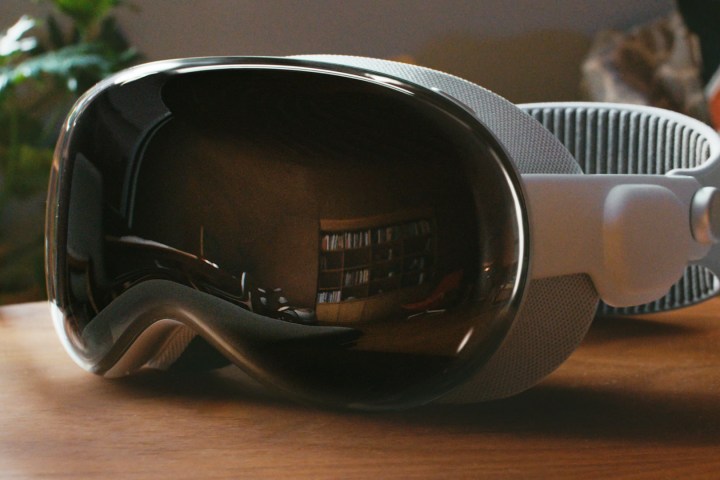
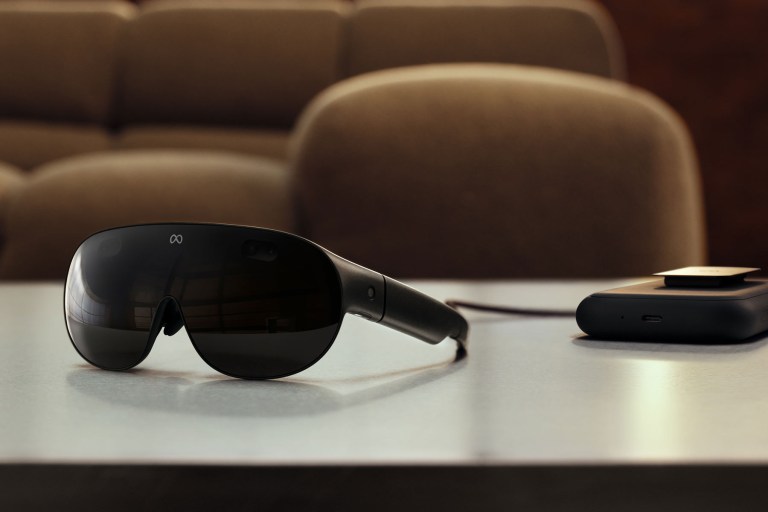
On the hardware side, the prototypes are said to be slightly thinner than Meta's second-generation Ray-Ban smart glasses. The cameras are flush-mounted and have privacy indicators. The glasses use a proprietary magnetic charging connector. They run a "pared-down" version of visionOS 28 on a custom processor derived from Apple Watch chips. This fits Apple's recently stated commitment to visionOS, which now appears to be expanding beyond headsets.
The competitive pressure comes mostly from AI, where Siri lags well behind rivals. Meta's glasses lean on its Muse AI. Google's Gemini will power upcoming Android XR glasses from Gentle Monster and Warby Parker. All of these work with both iOS and Android. Even with Meta's early lead, the category is still young.

Today's glasses without a display look more like a step toward a price point that works for mass-market buyers than the final form of the device. The longer-term goal appears to be glasses with a display and, eventually, AR glasses that can be worn all day. Such platforms would likely support a more diverse app ecosystem, which would help solve the "killer app" problem. Platform holders would also get recurring revenue rather than only income from the sale of the hardware itself.