VRChat Adds Native SDK-Level Face Tracking in Open Beta
 Public
- 23 Oct, 2026
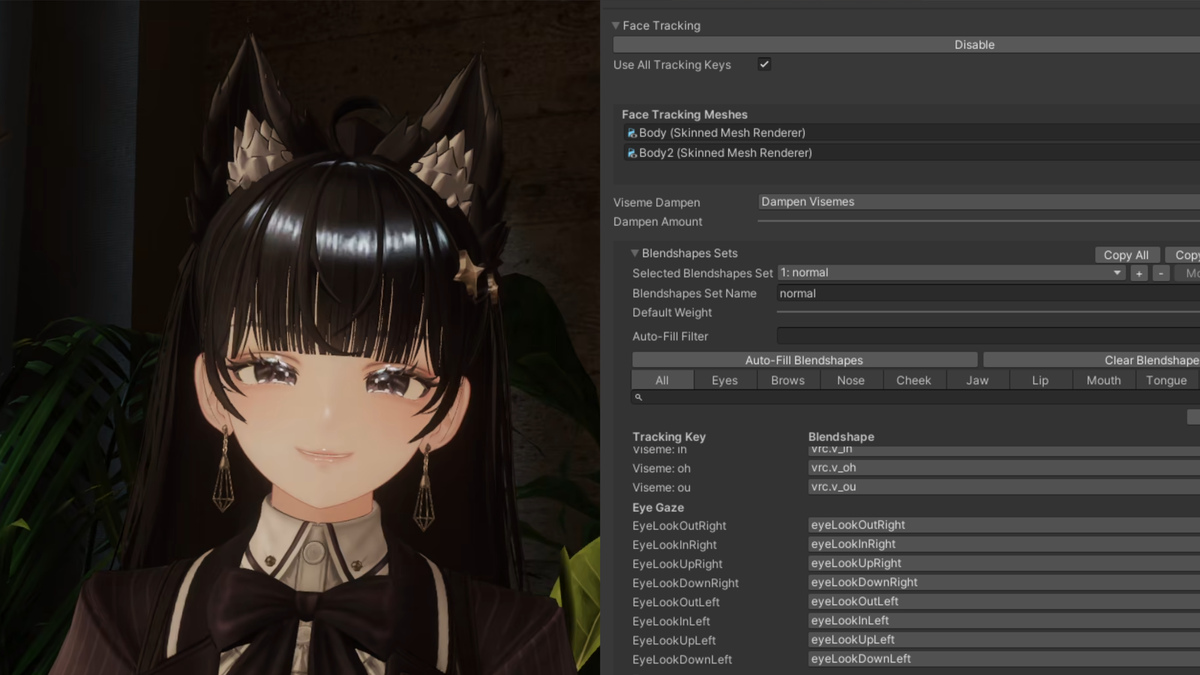
VRChat has introduced native SDK-level Face Tracking support for avatars in its Open Beta client and Avatars SDK beta. While the platform technically supported Eye and Face Tracking for years via Open Sound Control and the community-made VRCFaceTracking app, avatars previously lacked native full facial tracking capabilities. Users were forced to configure add-ons to achieve detailed expression, as native support was limited to basic gaze and eyelid movement using Eye Tracking data. This new implementation removes that dependency, allowing for more direct and efficient facial animation handling within the core software structure.
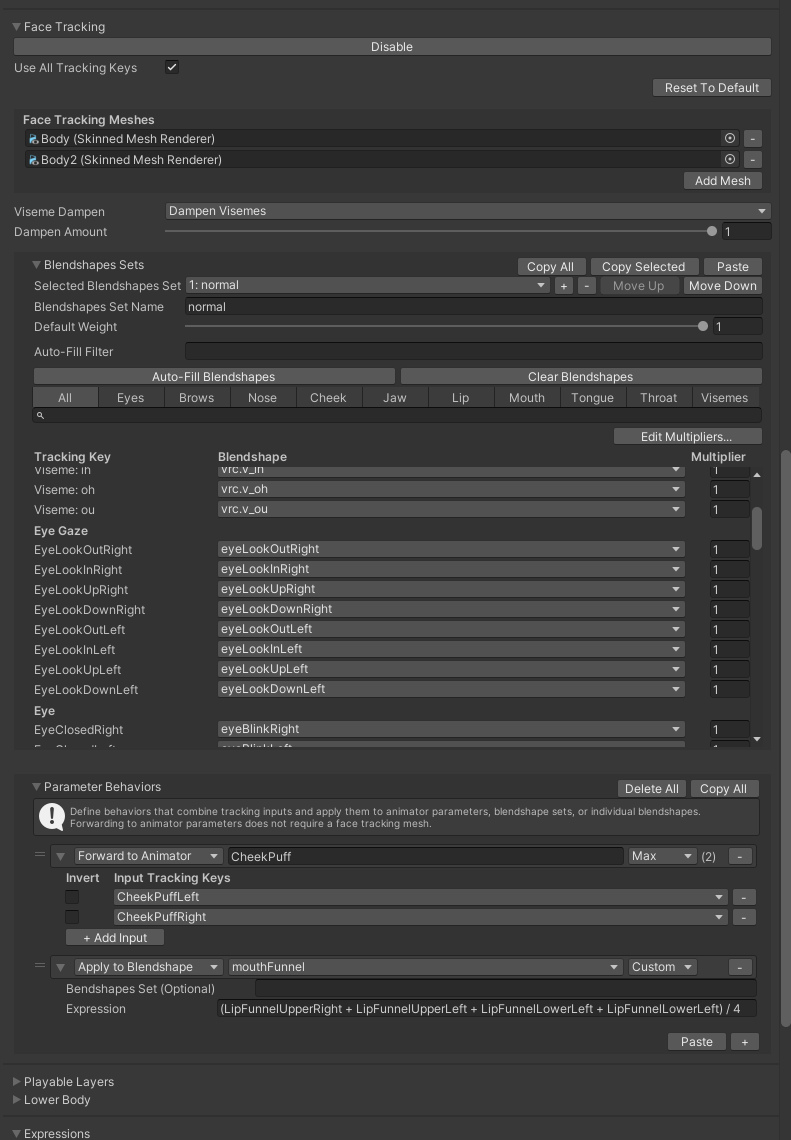
The latest Open Beta client on Steam and Avatars SDK Version 3.10.6-beta.1 enable SDK-level authoring of Face Tracking, initially termed High Fidelity Face Tracking. Creators can now set up facial expressions through a dedicated section in the Avatar Descriptor component. The system maps expressions to blendshapes and animator parameters while supporting the Unified Expressions standard from VRCFT. It integrates seamlessly with VRChat's audio-driven visemes, eye look, and eyelids, though it currently does not support Blended Shapes or Simplified Parameters. This native integration streamlines the creation process and ensures better compatibility across different avatar setups without requiring complex external configurations.
A significant advantage of this update is network-synced Face Tracking that does not consume the avatar's synced parameter budget. This reduction in synced parameter load leads to better overall performance and more visually consistent facial expressions for other users in the shared space. The system supports various input methods, including OSC protocols like VRCFT in its latest beta release on Steam. It also integrates with VRChat's Selfie Expression feature, which allows users to mirror facial expressions to their avatars on desktop PC and Android devices using a webcam or front-facing camera, enhancing accessibility for those without dedicated VR headsets.
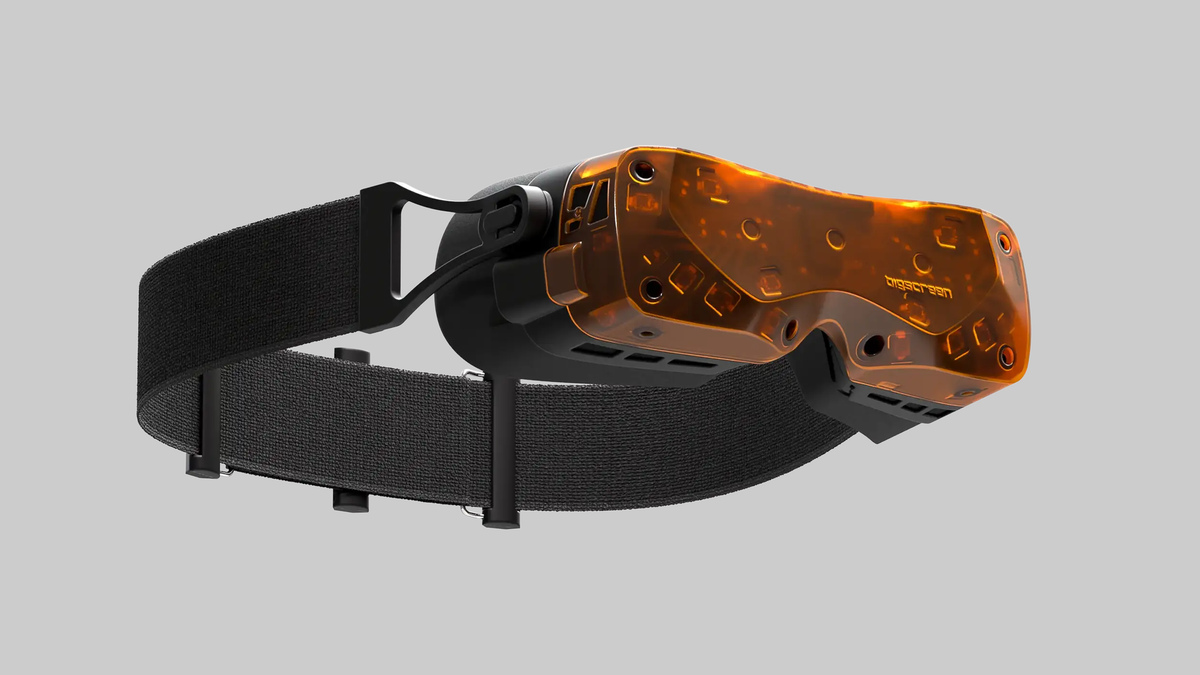
Hardware compatibility varies, with few headsets currently offering both hardware support and third-party APIs for Eye Tracking and camera-based Face Tracking. Popular options include the Pico 4 Pro and Enterprise, Meta Quest Pro, and Samsung Galaxy XR. Open-source and community-built solutions exist for other devices like the Meta Quest 3 and 3S, while VRCFT can pass data from eye-tracking-only devices such as the Bigscreen Beyond 2e. Creator Hash has updated several popular Booth avatar packages with beta variants that utilize this new SDK functionality, allowing existing owners to switch to the improved tracking system immediately.
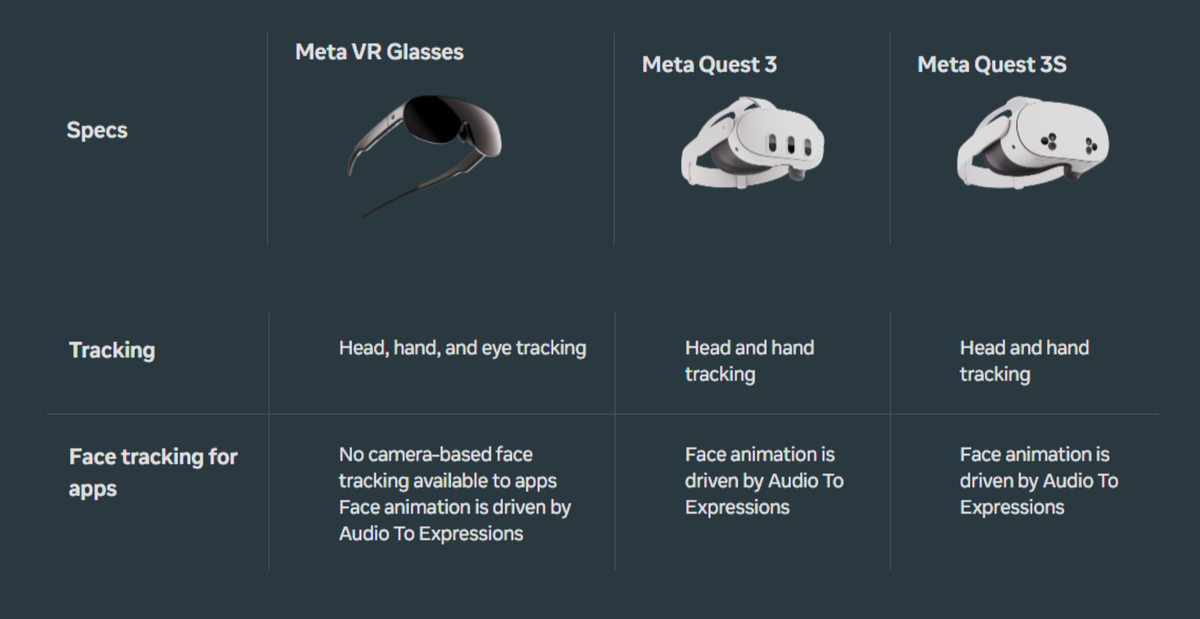
The upcoming Meta VR Glasses feature hardware support for both Eye and camera-based Face Tracking, utilizing dedicated sensors for eyes and downward-facing cameras for facial signals. However, Meta will not provide third-party API access to the visual Face Tracking data source at launch, unlike the Meta Quest Pro. Developers will only have access to Eye Tracking and must rely on audio-driven data sources known as Audio to Expressions. Camera-based Face Tracking will be restricted to first-party usage, such as realistic Hologram avatars. This limitation has caused frustration among developers, with Meta Developer Advocate Dilmer Valecillos acknowledging the feedback. A request for a camera-based API on the Meta VR Developer website is currently backlogged, indicating a future but undefined timeline for third-party access.