Venture Emulator Lets You Run Quest Exclusive VR Games on Any PC Headset
 Public
- 29 Oct, 2026
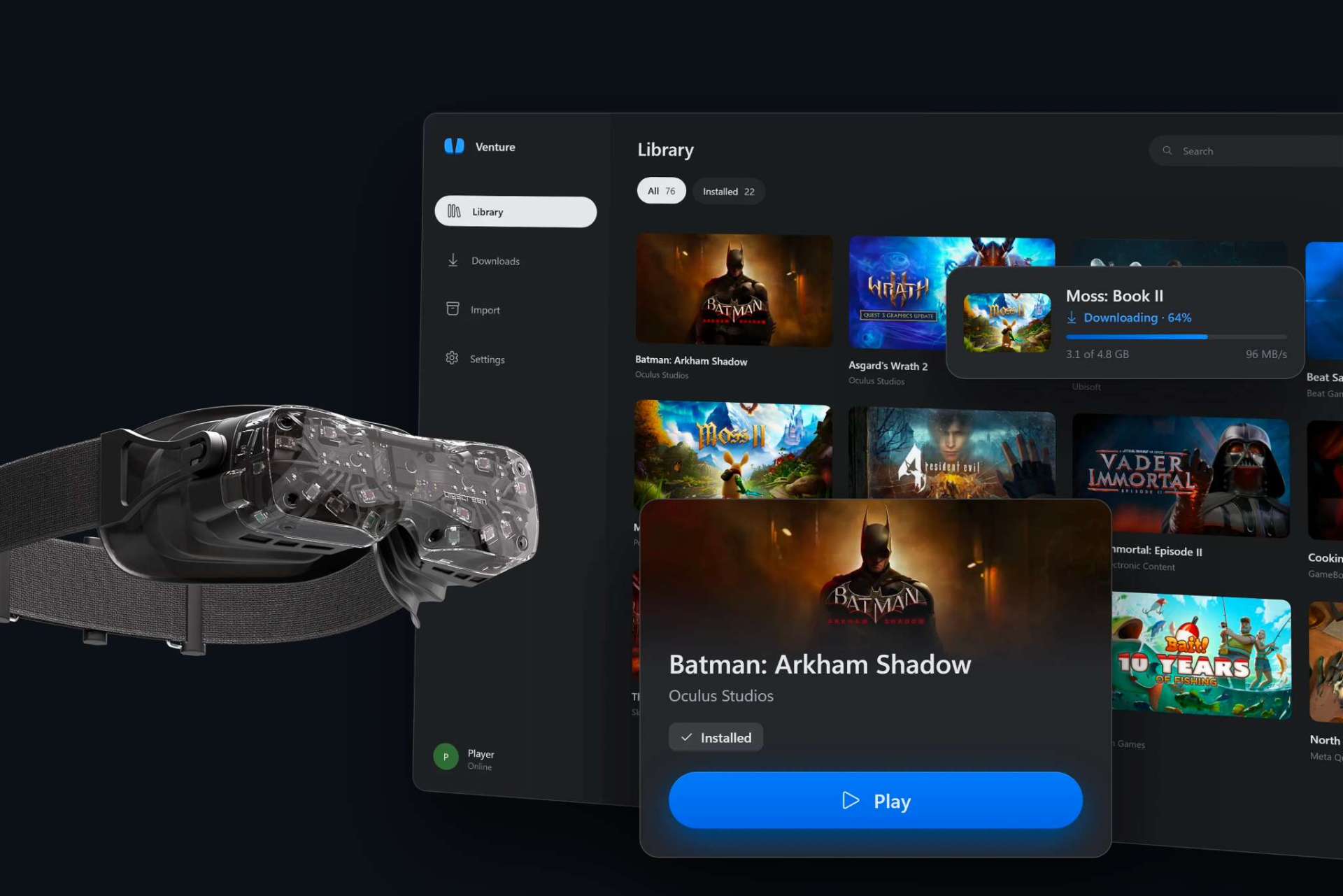
A new emulator named Venture aims to simplify running Meta Quest exclusive VR games on PC. Unlike previous tools such as Android XR Bridge or Refract, which required users to navigate complex GitHub repositories, Venture offers a streamlined experience. The tool is designed for ease of use, allowing developers and players to bypass the traditional barriers of porting mobile VR titles to desktop environments without extensive technical setup.
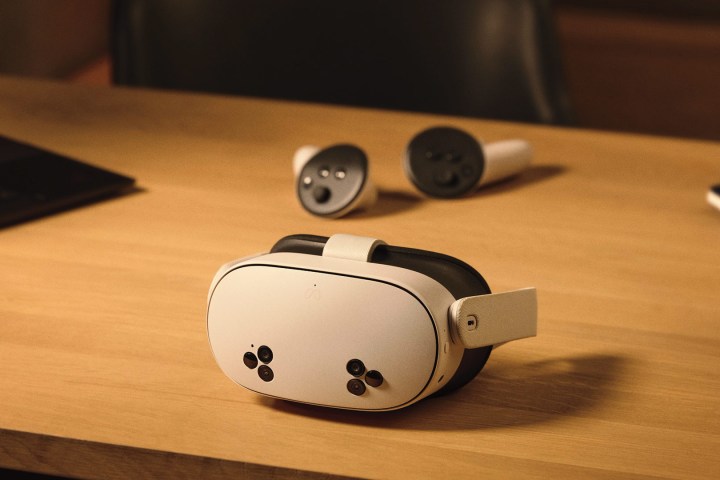
Working with Venture is straightforward: the user downloads a Windows executable, signs into their Meta account, and downloads games directly to their local PC. The games can then be played on any PC VR headset that supports OpenXR. Under the hood, the emulator uses OpenGL ES through Google's ANGLE library, an open-source graphics abstraction layer. This technology allows games optimized for mobile devices to render effectively on a PC's GPU, bridging the gap between mobile and desktop performance standards.
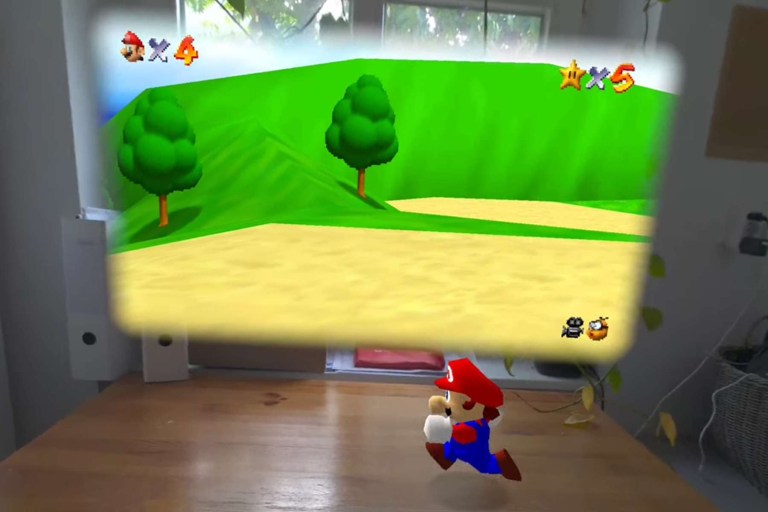
Venture supports a wide range of legacy titles by handling games built on the old Oculus VrApi and enabling them to run through OpenXR. This compatibility extends to older 32-bit ARM titles, not just newer 64-bit applications. The project is currently building a list of certified games that are known to work correctly. While specific system requirements have not been officially published, the developers note that using an Intel Core Ultra 9 285K processor paired with an Nvidia RTX 5090 graphics card allows for high-resolution rendering at 2,800 by 2,856 pixels per eye, outperforming competing solutions in various benchmarks.
Despite the technical advantages, significant risks remain for users considering this tool. Venture requires users to sign in with their personal Meta accounts, which could potentially expose personal information to security risks. There is no guarantee that using the emulator will not violate Meta's Terms of Service, which could result in a permanent ban on the user's Quest account. Such a ban would effectively render all purchased games inaccessible. Additionally, there are concerns about potential stability issues that could negatively impact the host computer's operating system.
The development of such tools highlights the shifting landscape of VR exclusivity. As Meta reduces its investment in large-scale game development, the necessity of maintaining a strict walled garden for its hardware is increasingly questioned. However, until official support for cross-platform play is established or the legal and security implications are fully resolved, using third-party emulators remains a risky endeavor. Users must weigh the performance benefits against the potential loss of account access and data security when deciding whether to adopt these unofficial solutions.