Vector Gear: a fully open-source VR headset for makers and enthusiasts
 Public
- 23 Oct, 2026
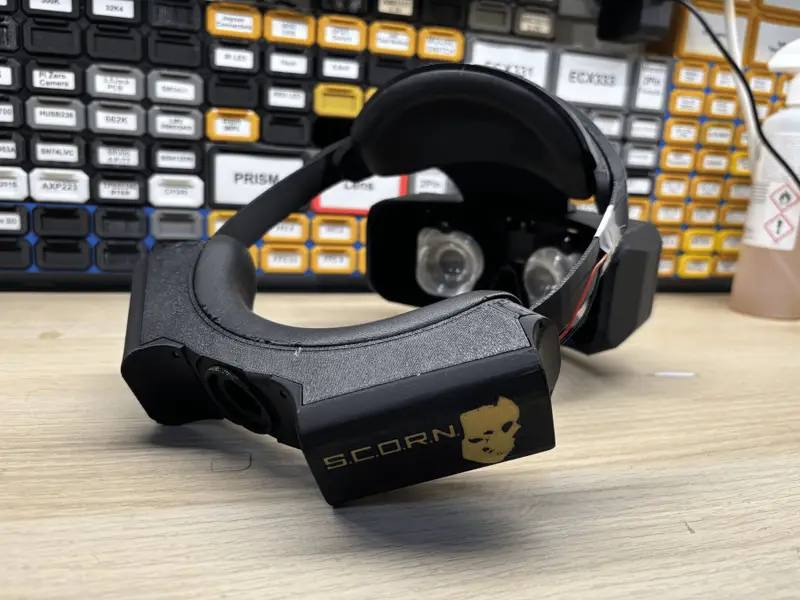
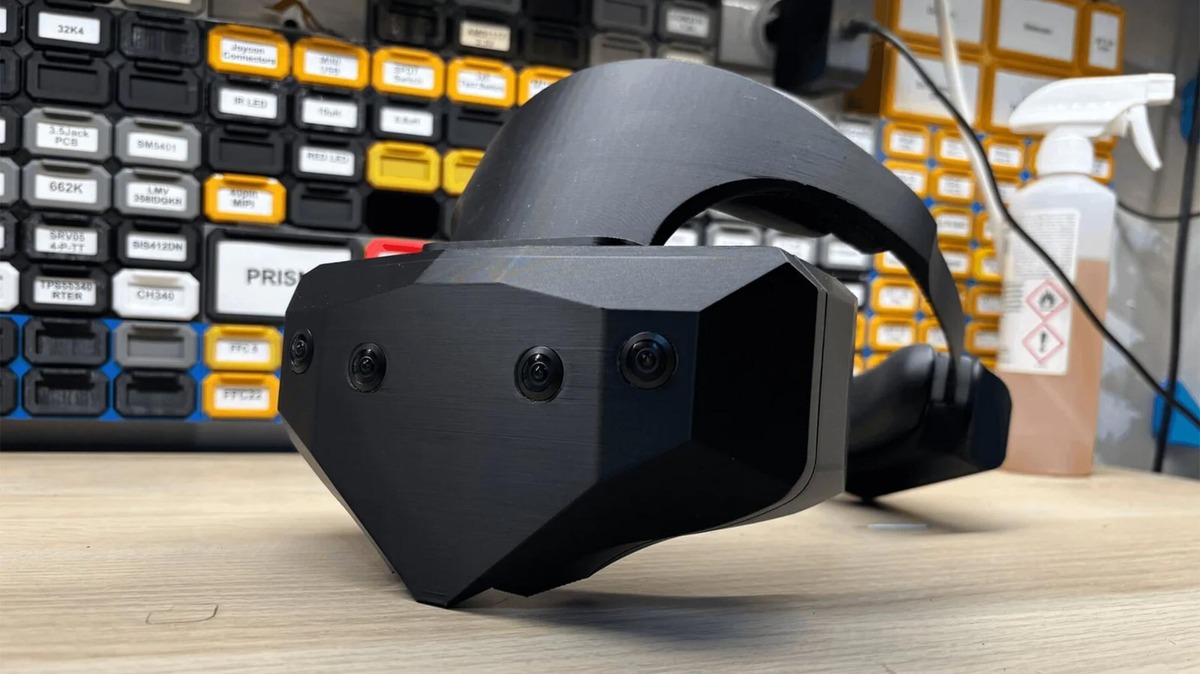
Walker Industries, a team of VR enthusiasts from Japan, has launched a Kickstarter campaign for the Vector Gear, a fully open-source mid-range VR headset. The project aims to create a device that can be fully customized: both the hardware and the software are available to the public. This approach lets developers and users modify every aspect of the system, from the underlying operating system to the physical components. The company describes the project as the realization of a long-held dream: to build a headset not constrained by proprietary restrictions and to offer a transparent platform for innovation and experimentation in the XR space.
The Vector Gear is positioned as the flagship device in the lineup, working both standalone and as a PC-tethered headset. Alongside it, the campaign offers the Andromeda, designed exclusively for PC-VR and available in two versions: a budget model and one with a higher resolution. The Vector Gear's specifications are comparable to current market leaders like the Quest 3, with similar resolution and chipset capabilities. Although the device is being developed by a small team with a limited budget, it offers a wide range of features that compete with those from large corporations. The goal is to deliver high performance without the huge costs usually associated with developing this kind of hardware.
A distinguishing feature of the Vector Gear is its built-in face tracking system called "Shinra Meisin," developed in-house by the team. This system is designed to animate user avatars in social VR platforms such as VRChat, transmitting data via OSC. In addition, the headset and controllers use a proprietary tracking system called "AstroSLAM." Unlike standard inside-out tracking, the controllers are equipped with their own cameras, which allows flexible positioning, even when they are behind the head or used to track objects on props. This tracking system is fully compatible with SteamVR, ensuring broad compatibility with existing PC-VR games and providing a solid foundation for developing new applications.
The software ecosystem is just as ambitious and is built around a custom operating system called XRUIOS, based on Arch Linux. Created specifically for VR, this OS lets users arrange 3D objects to build personalized home environments, run widgets, and launch applications from both Steam and Walker's own launcher. FEX is integrated into the system, which makes it possible to run standard x86 applications on the ARM64 Linux architecture. One notable widget is an MS-DOS emulator, which lets users run old games. The system also includes the "Yuuko Protocol," a cross-platform tool that creates a cohesive experience across devices and allows users to seamlessly continue media playback or file access between their headset, smartphone, and PC.
The Vector Gear costs $980, while the Andromeda models are available for $650 and $1,250, with discounts on self-assembled devkit versions. Worldwide delivery is expected by May 2027, though delays are possible. The project is aimed at makers, hardcore enthusiasts, and research institutions that need full customization capabilities and data privacy guarantees. While Steam Frame offers a similar but less open alternative, the Vector Gear stands out by being designed for complete disassembly and modification. This level of openness makes it a unique tool for those who want to dive deep into the hardware and software layers of virtual reality, supporting a community-driven approach to XR development.