Valve acknowledges the VR content dilemma despite continued support
 Public
- 29 Oct, 2026
Valve representatives Tom Giardino and Marc Wilkinson addressed the state of virtual reality at the Steam Indie Connect event in Korea. While the session primarily focused on AI-driven content trends on Steam, Giardino engaged with VR developers regarding curation, visibility, and platform policies. This interaction occurred shortly after the release of Steam Frame, Valve's first standalone VR headset, prompting questions about the company's long-term commitment to the medium.

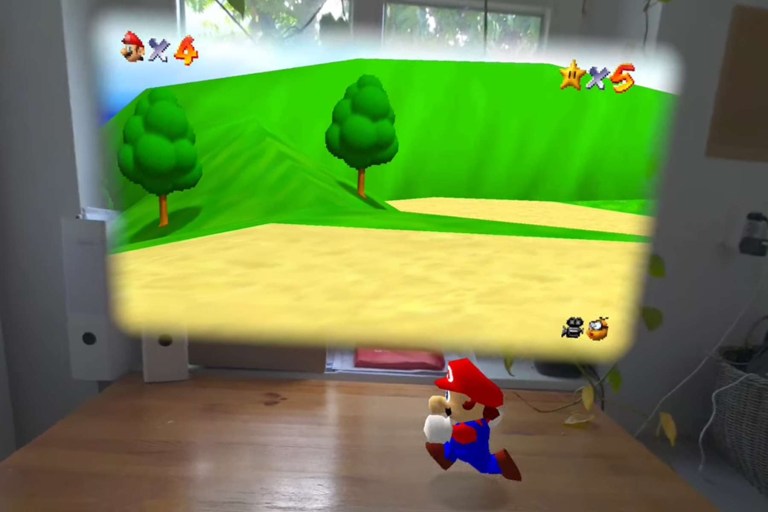
Giardino, a member of Steam's business team since 2012, stated outright that Valve still believes in virtual reality. However, he noted that current Steam Frame users mostly play standard flat-screen games rather than VR titles. He pointed to the persistent chicken-and-egg dilemma as the main problem: developers are reluctant to create VR content without a larger market, while players wait for more games to appear before buying hardware.
The growth of diverse and compelling flat-screen games further complicates the situation for VR developers. Giardino emphasized that expensive, popular flat-screen games launch every week, which creates a serious barrier to justifying VR development. This competitive pressure makes it harder for VR projects to secure funding and attention, especially when high-budget PC releases dominate the market and capture consumer interest.
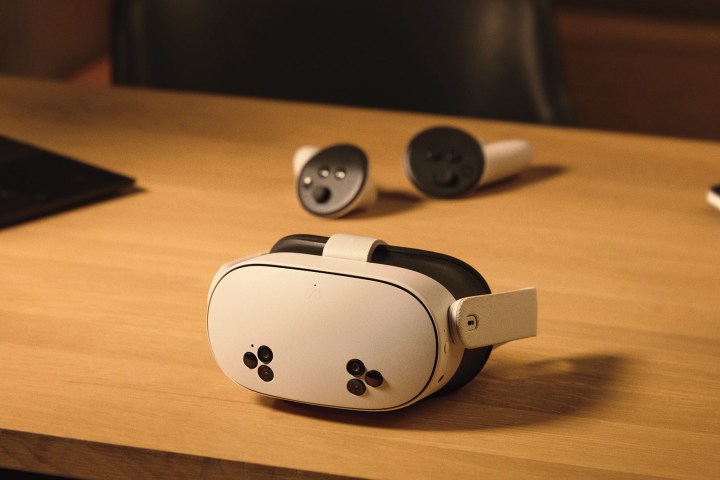
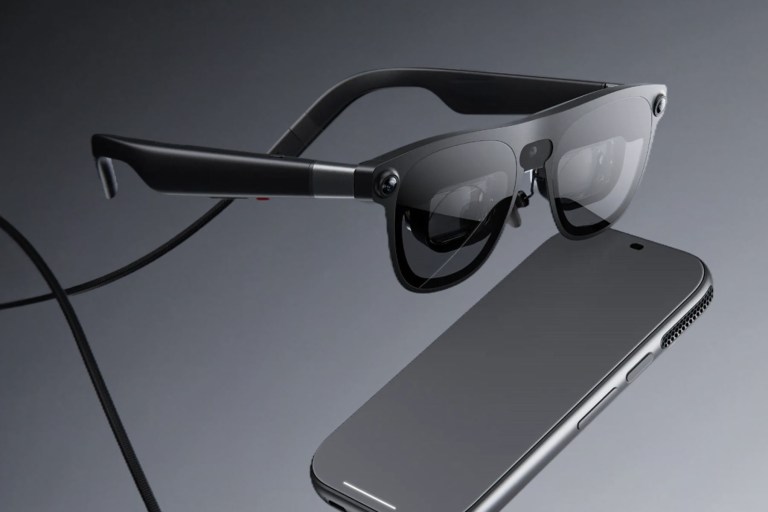
Valve positions Steam Frame as one component of a broader VR ecosystem, which includes the Steam Link app for Meta Quest and OpenXR support for various headsets via SteamVR. However, Giardino acknowledged that the ongoing component crisis, specifically rising RAM and memory prices, made Steam Frame more expensive than originally planned. This higher price reduced its appeal to new users, causing potential customers to hesitate or wait for better conditions.
Giardino expressed regret about the impact on VR developers, noting that moments when new customers could have been welcomed turned into periods of hesitation. The company appears to be adopting a strategy of presenting Steam Frame as a general-purpose device that also happens to support VR, hoping to build a larger install base. This approach aims to make VR development more viable by increasing the potential user pool, although the high cost of components and the lack of new compelling AAA titles like Half-Life: Alyx continue to pose significant challenges for the ecosystem.