Steam Frame vs. Quest 3: Streaming, Power, and Hackability Compared
 Public
- 16 Sep, 2026
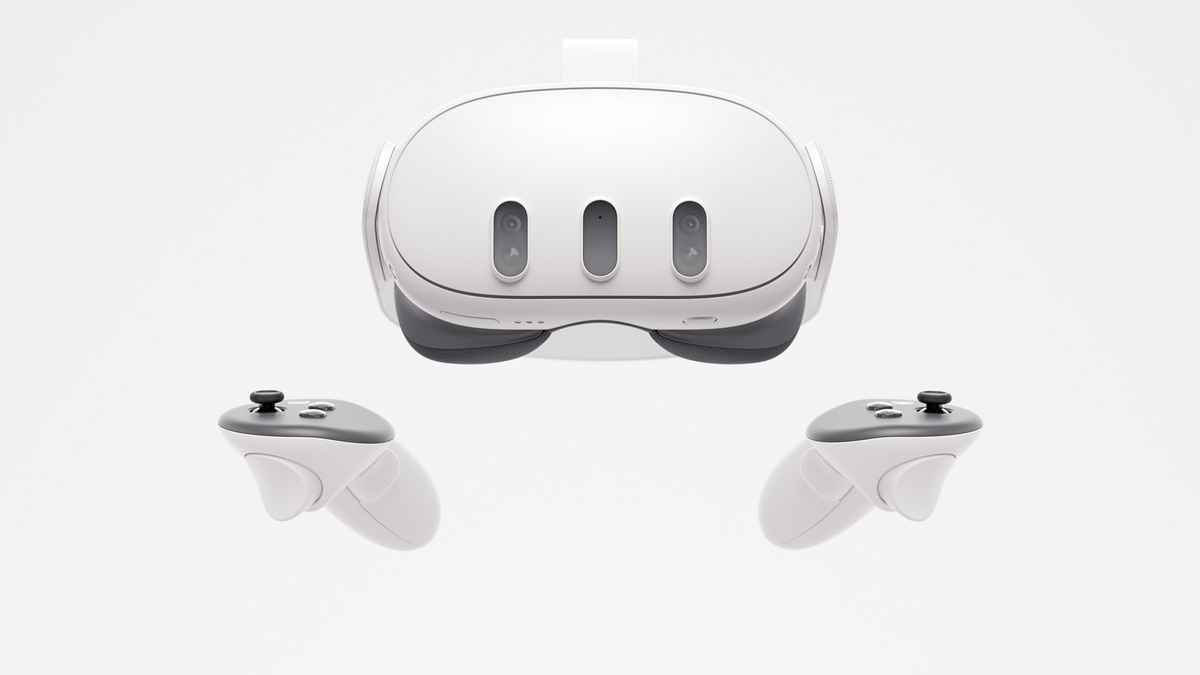
Valve's upcoming Steam Frame is a standalone headset built much like the Steam Deck: out of the box it runs Steam's entire library, including flatscreen x86 titles and now PC VR games. That means you can download modern flatscreen and VR titles and play on the go, with no wires or PC required. At its core, though, Valve positions Frame as a wireless PC VR streaming headset, using a Wi-Fi 6E dongle that plugs directly into your computer or the newly announced Steam Machine. Quest 3 can also stream PC VR, but it has to route video through your home Wi-Fi router, which adds latency; Valve's dongle cuts out that middleman entirely.
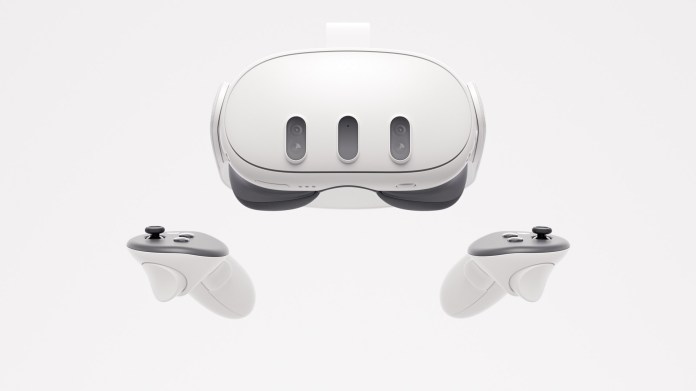
The bigger difference is raw power and game compatibility. Both headsets use ARM-based Qualcomm Snapdragon processors, with Frame's being the more powerful, but only Frame can natively play x86 Windows and Linux content thanks to its built-in compatibility layer. Quest 3 only runs games compiled for ARM, albeit from a large library that's all certified to work on the headset. Frame has no such guarantees yet. Valve is already distributing dev kits ahead of Frame's 2026 launch so PC VR studios can optimize, and it's expected to roll out a Steam Deck-style badging system marking what works great, okay, or not at all - while still letting you download and try anything on Steam.
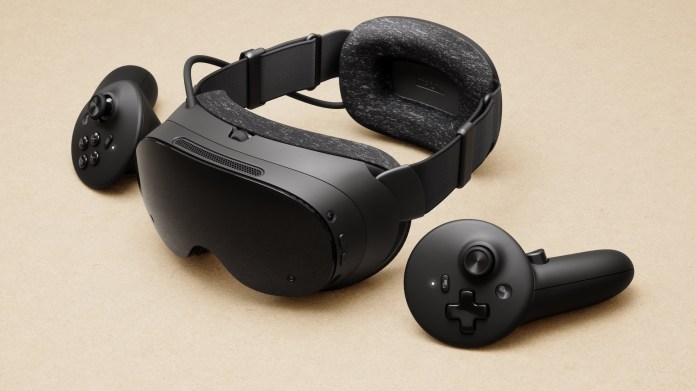
Hackability is another major divide. Frame natively runs SteamOS and, as an open platform, gives you direct Linux access and lets you install any OS you want. Quest's Horizon OS can't match that because of its locked bootloader and lack of root access. Valve is confident enough in SteamOS that it says the operating system "would be great for other VR devices." Frame also adds a user-accessible gen4 PCIe expansion port supporting up to two 2.5 Gbps cameras or other add-ons, plus a microSD slot for up to 2TB of extra storage. Both are clear wins for makers and tinkerers looking to expand the headset.
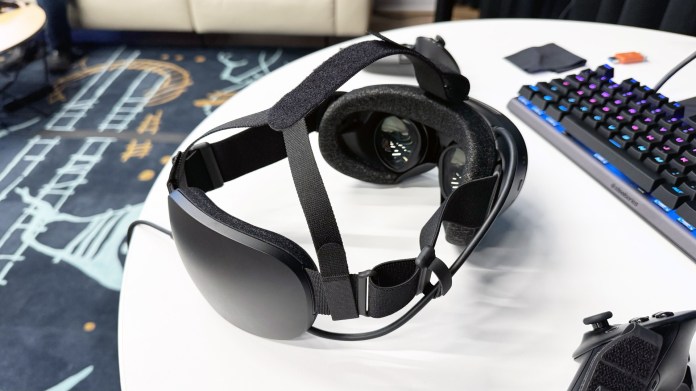
On comfort, Frame shows promise over Quest 3, though the verdict isn't final. Its front "core" (displays and optics) weighs just 190g, with the remaining 245g of the 435g total placed into a headstrap carrying a rear-mounted 21.6 Wh battery. The default box notably lacks a top strap, which Valve sells separately alongside Knuckles-style controller straps. Displays are roughly even: Quest 3 offers 2,064 × 2,208 per-eye LCD and Frame 2,160 × 2,160, both at 72-120Hz, with Frame capable of up to 144Hz in an experimental mode. Frame does fall short on passthrough, shipping monochrome passthrough (with a color add-on sold separately) versus Quest 3's built-in full-color passthrough. Pricing starts at $1,059 for 256GB and $1,299 for 1TB.