Japanese Certification Reveals the Design of the Pico Space Pro
 Public
- 12 Oct, 2026
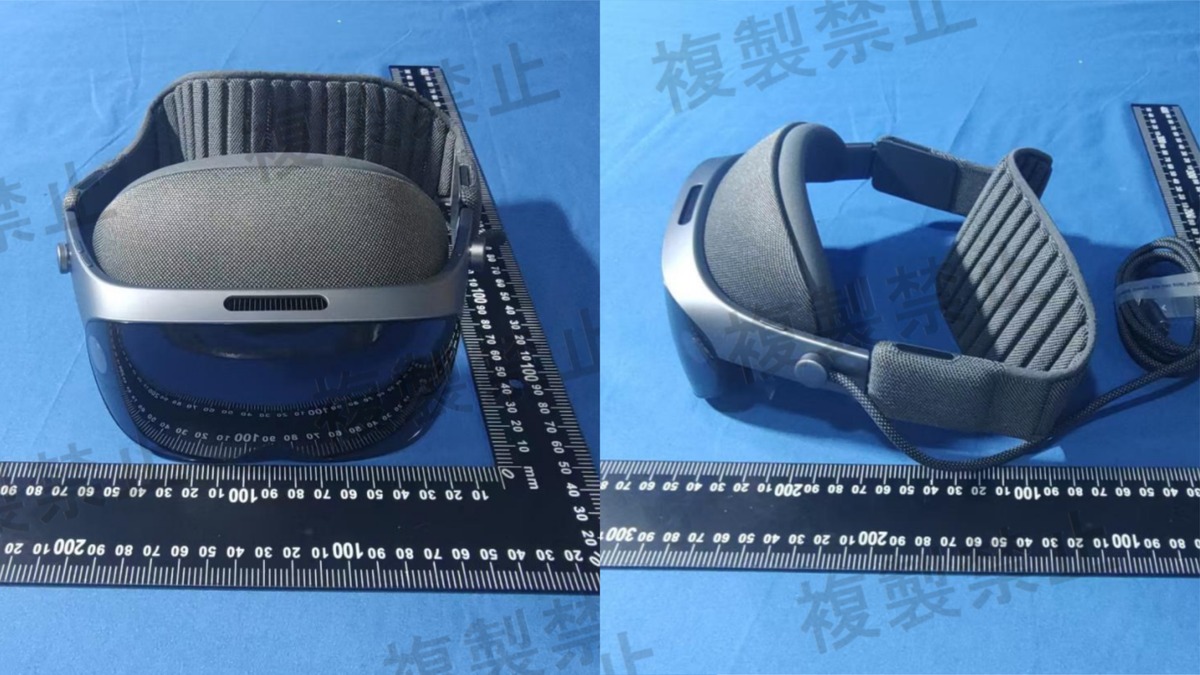
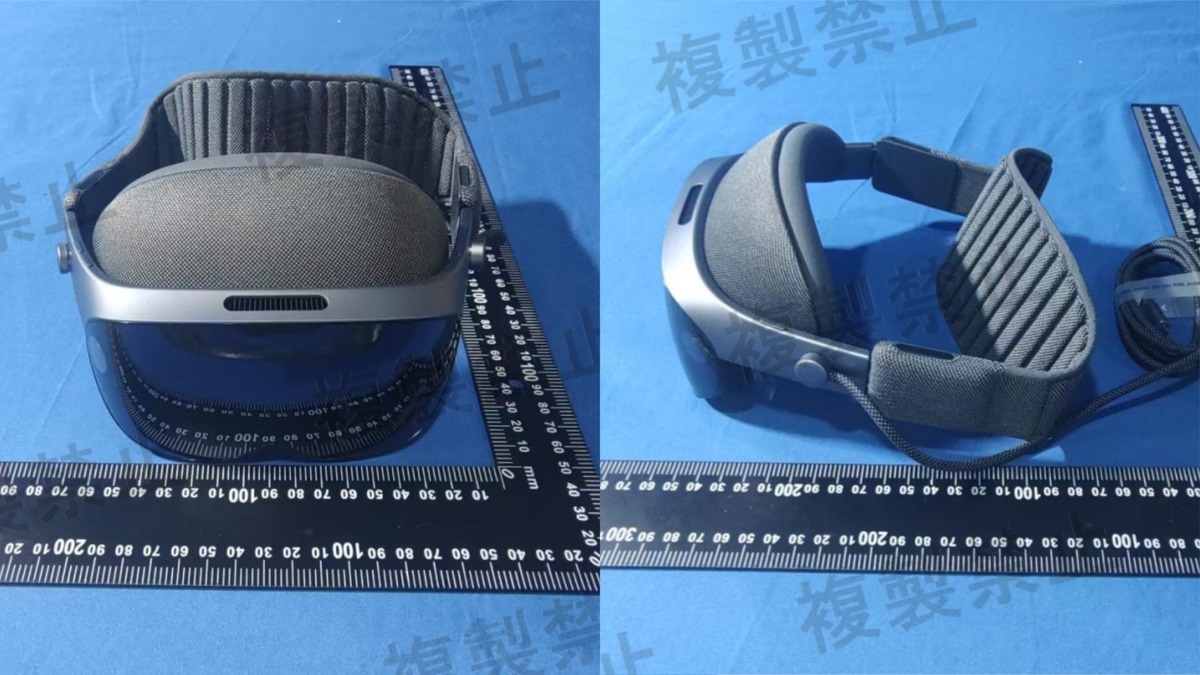
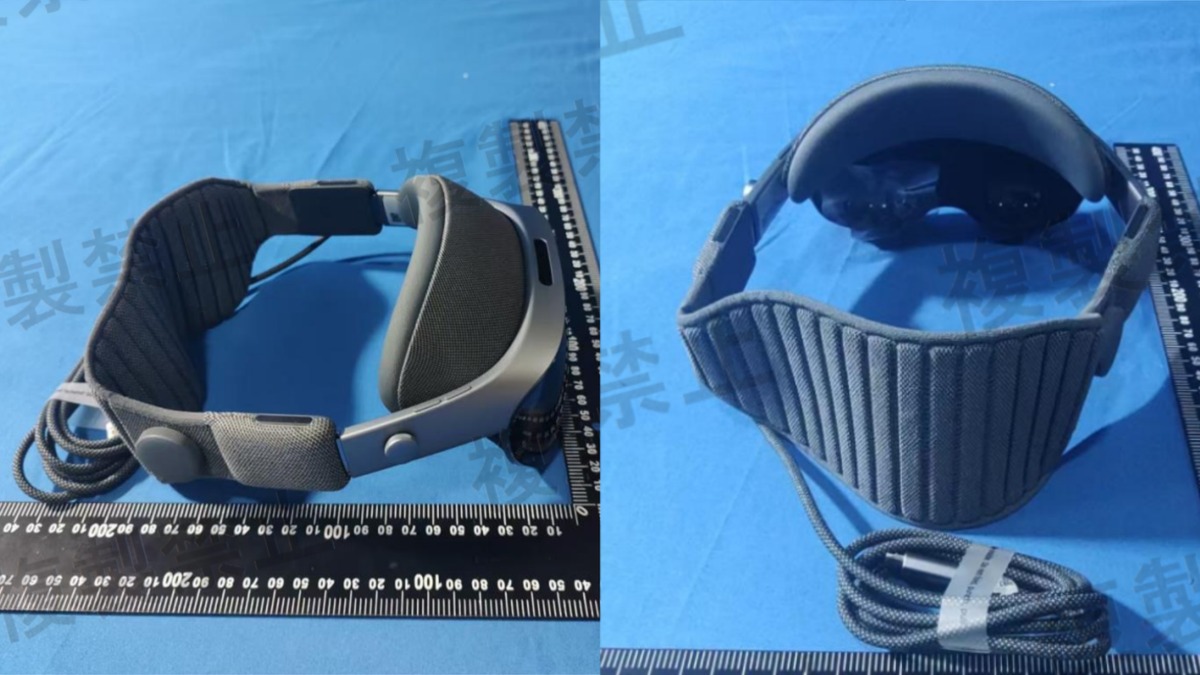
ByteDance's upcoming Pico Space Pro headset has been physically revealed through newly surfaced Japanese regulatory filings. These documents, listed under certification number 202-JWM032, provide the first clear look at the actual hardware, moving beyond the stylized silhouettes and SDK renders previously seen. The device carries the model number B3110, matching the US FCC filings that appeared in September. The overall design aligns with earlier leaked videos found in a public Pico SDK, which depicted a headset heavily inspired by both the Apple Vision Pro and the Samsung Galaxy XR. Specifically, the rear strap closely mirrors the Solo Knit Band, while the visor and forehead pad resemble the Samsung device.
A key distinction in these new filings is the color scheme and finish of the unit, which differs from the previous SDK renders. Instead, the physical device resembles the Vivo Vision headset, an Apple Vision Pro competitor that was announced in 2025 but has not yet fully launched commercially. The documents also include detailed teardown images, offering a rare glimpse into the internal architecture. These photos reveal the front camera and sensor array, the optical modules, and a central cooling fan. While the external tethered puck is not directly shown in the main device shots, a test-setup photo displays a camouflaged version of the headset on a desk, with a similarly camouflaged box-like object positioned directly behind it, confirming the presence of the separate main unit.
The hardware specifications for the Pico Space Pro were initially outlined by the company in November 2025 and teased in March under the codename Project Swan. The headset features micro-OLED panels with a resolution of 4000 pixels per inch. It utilizes a dual-chip architecture that includes a self-developed coprocessor dedicated to computer vision and image processing. The main processor is claimed to deliver twice the CPU and GPU performance of the Snapdragon XR2 Gen 2, which powers current devices like the Pico 4 Ultra and Meta Quest 3. Software capabilities include visionOS-like features within Pico OS 6 and a RealityKit-like Pico Spatial Engine. The company had opened a Global Early Access Program to gather rigorous feedback from experts with deep XR platform knowledge before a wider release.
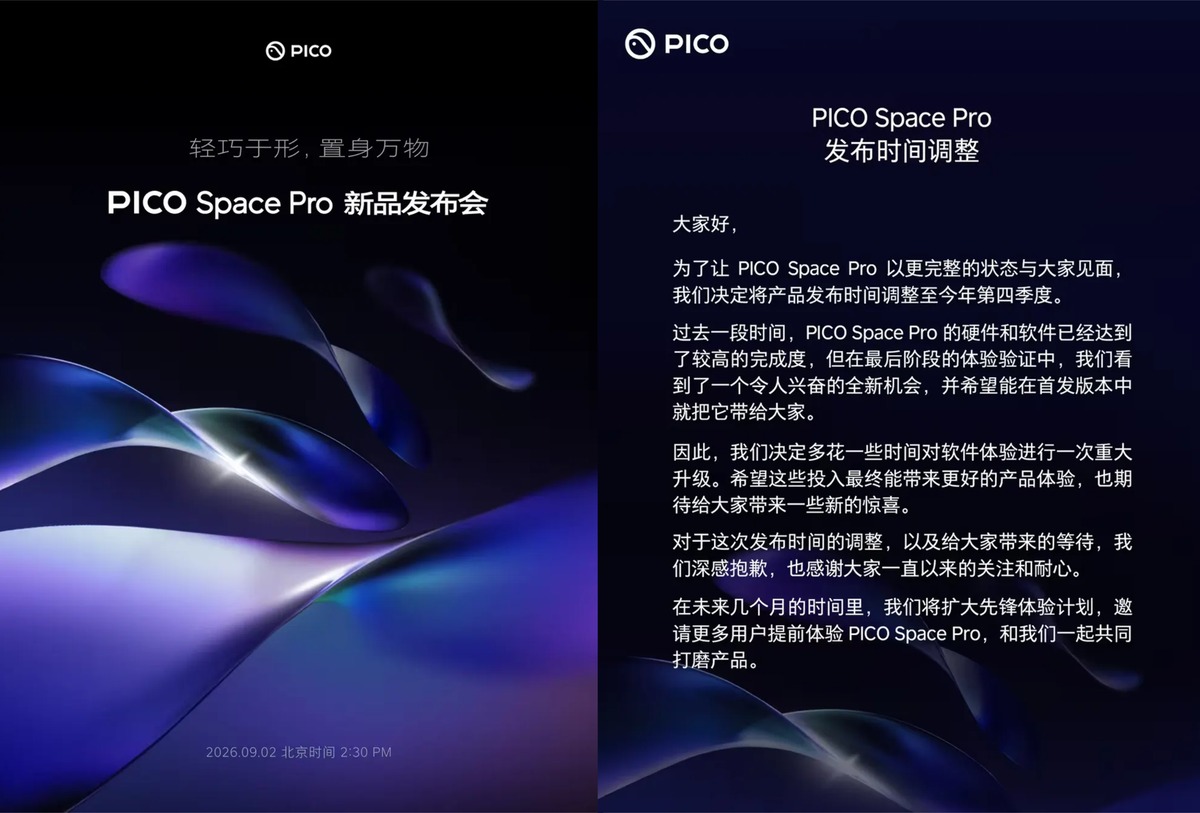
The path to launch for the Pico Space Pro has been marked by significant changes. In August, the company announced a launch event via Asia-region social media channels and officially revealed the product name. However, just days later, the event was abruptly canceled, and the release date was pushed back to Q4 2026. Despite this delay, the device received FCC certification in September, the day before the originally planned event. The FCC filings listed the device as a Mixed Reality Computer, with separate entries for the headset and the external tethered puck under IDs 2A5NV-AA1Z0 and 2A5NV-B3110. The short-term confidentiality period for these US documents is set to expire on February 28, 2027. As of now, the exact launch date within the Q4 2026 window remains unconfirmed, leaving developers and users awaiting further official announcements.