OpenXR adds spatial containers for cross-platform multitasking
 Public
- 20 Oct, 2026
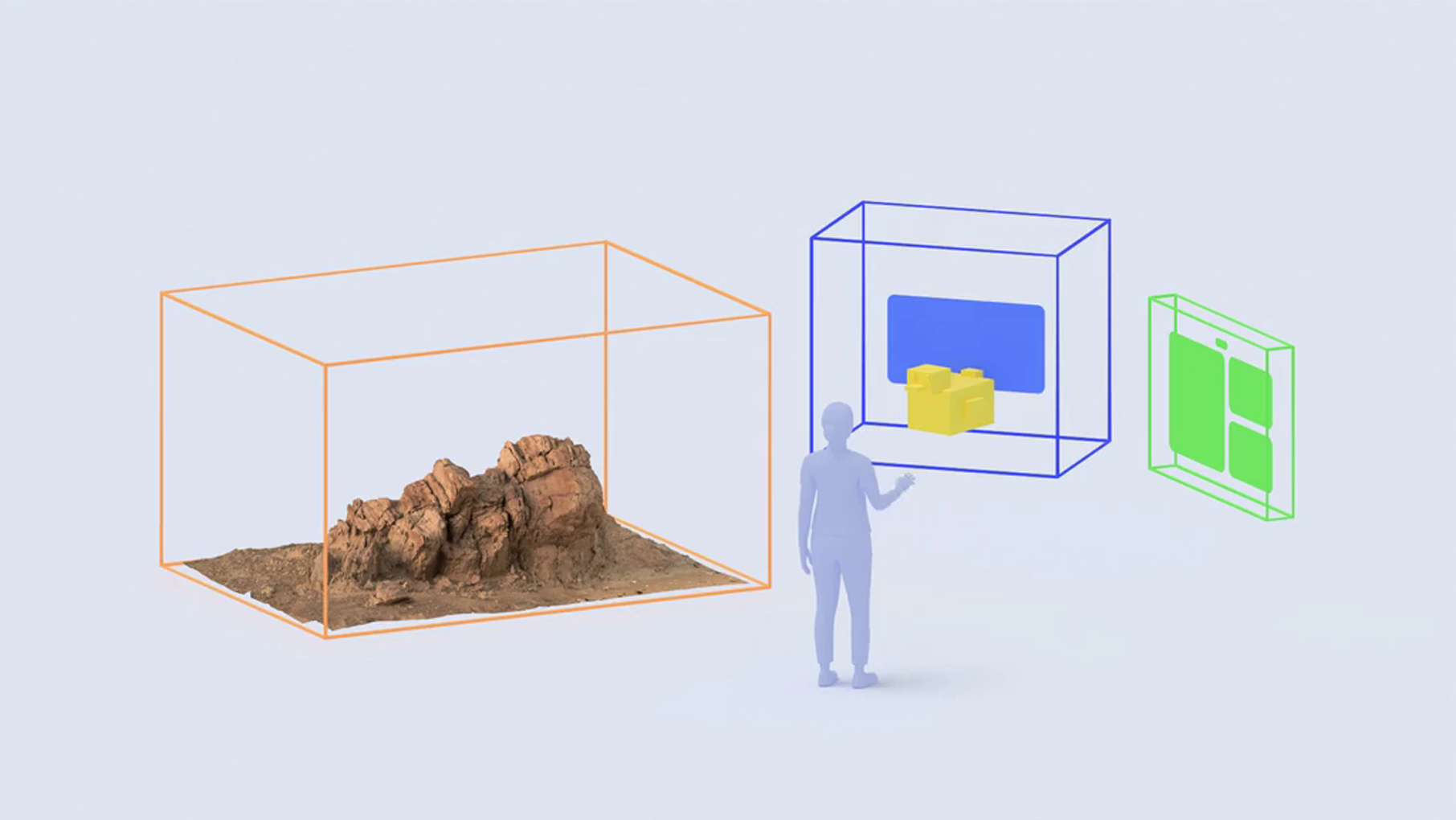
The Khronos Group has announced the ratification of new OpenXR extensions that introduce a spatial app framework with system-managed containers. These spatial containers function similarly to desktop windows: they allow XR applications to display content within defined boundaries rather than exclusively in full-screen immersive mode. This architectural shift clearly separates bounded multitasking environments from immersive experiences, giving developers the flexibility to design applications that can exist side by side with other content. The new standard aims to unify this functionality across the OpenXR ecosystem, providing a consistent interface for handling spatial layouts without relying on platform-specific proprietary APIs.
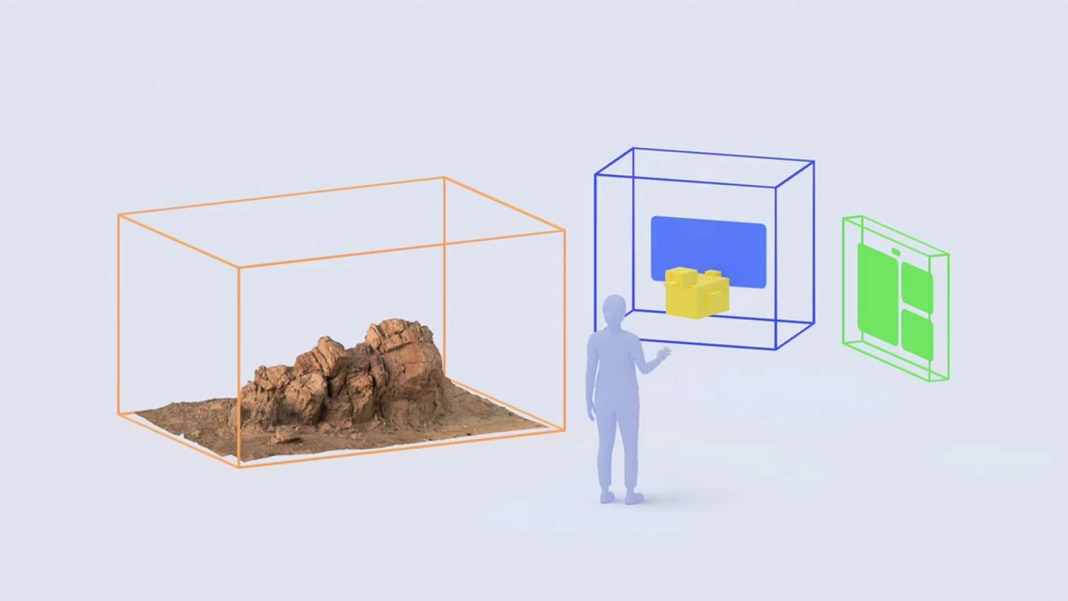
This development closely parallels the Shared Space feature in Apple's visionOS, which has allowed multiple 3D applications to coexist and be manipulated by the user since the Vision Pro launched in 2024. In contrast, current implementations on Meta Quest devices restrict users to running only one spatial application at a time, while system-level elements like the dashboard and browser operate as separate 2D overlays. The new OpenXR extensions are now published, with hardware and software implementations expected to begin rolling out across the ecosystem during 2026. While immediate universal support is unlikely, developers can anticipate these features arriving on OpenXR-compatible headsets, including Meta Quest, SteamVR-compatible PC VR hardware, Steam Frame, Android XR devices, Varjo, Magic Leap, and XREAL glasses.