Meta Ray-Ban Display Gets Online Ordering, Navigation Improvements, and Hologram Avatars
 Public
- 28 Sep, 2026
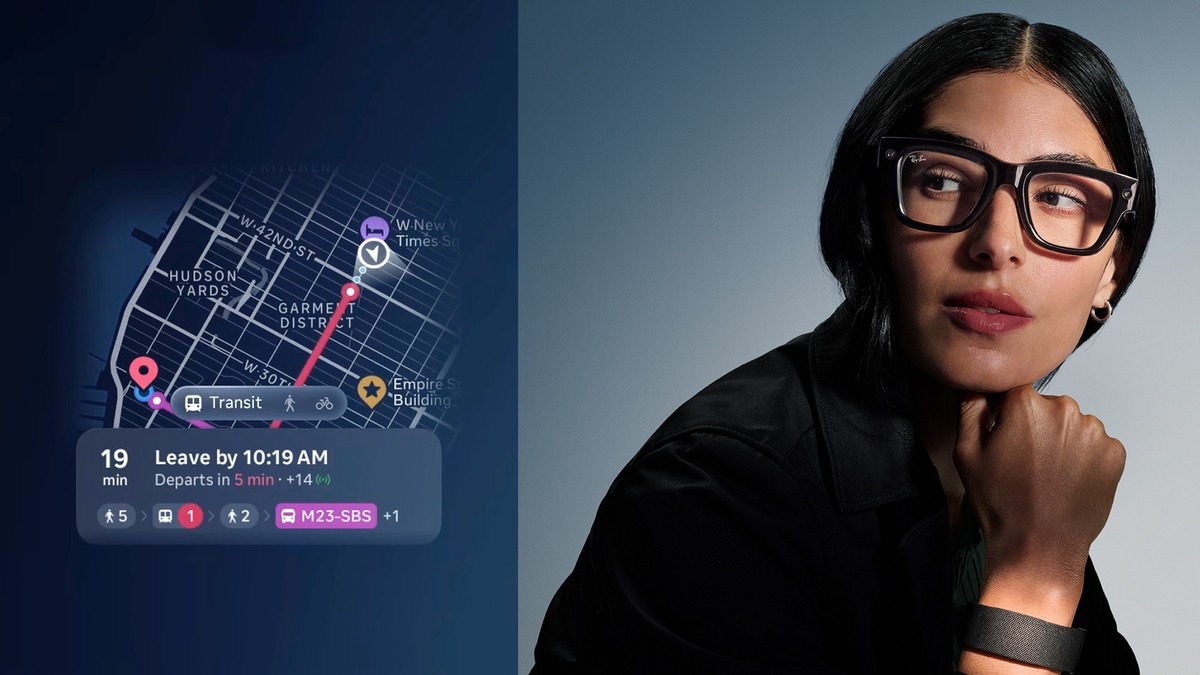
Meta Ray-Ban Display, the HUD glasses introduced at Connect 2025, is expanding beyond the United States and picking up a slate of new features announced at Connect 2026. The device can now be purchased online without the previous requirement of booking a demo at a physical store, where staff would measure your wrist for the correct Meta Neural Band size and match your prescription. It is available online and in select stores in the UK and Canada: the UK starting price is £749, CA$1149 in Canada, and €899 in Europe.
Additional markets are opening soon: France, Italy, and Germany go on sale October 13. Select stores in London, Vancouver, Toronto, Paris, Milan, Rome, Frankfurt, Hamburg, and Munich will offer in-store demos for prospective buyers. This marks a turnaround from January, when Meta paused its planned early-2026 rollout to the UK, France, Italy, and Canada, citing "unprecedented demand and limited inventory".
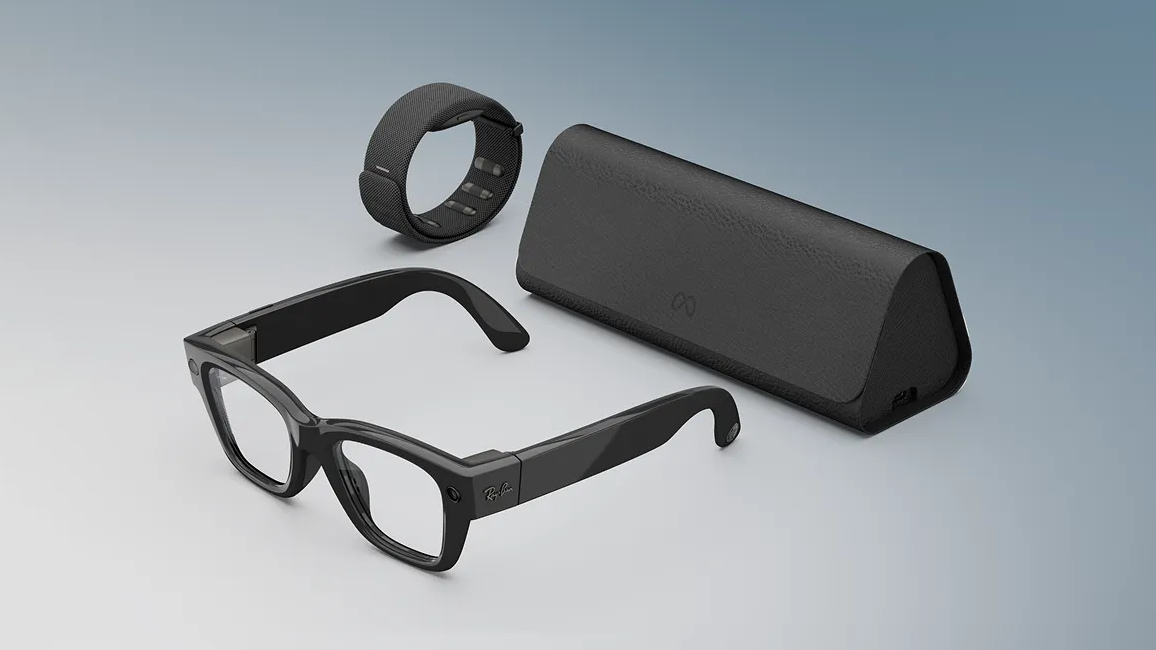
Navigation is getting a major voice overhaul. Instead of robotic street names, Meta Ray-Ban Display will now reference the world in front of you, delivering directions like "turn left at the yellow house ahead" rather than "turn left at Third Street." Two new navigation modes are being added alongside on-foot routing: cycling and public transport. The feature remains limited to select cities, a constraint that compares unfavorably with Snap Specs and the upcoming Samsung HUD glasses powered by Google's software.
Notification handling is also improving. At launch the device could not mirror phone notifications at all outside built-in applets like text messages, WhatsApp, and Messenger. A later optional mirroring feature surfaced every notification with no customization, which reviewers found worse. Meta now says users will be able to "control your notifications and choose the ones you want to turn off." A dedicated Calendar app is coming too, letting you "see who's attending a meeting, accept or decline invites, and join meetings, all from your glasses," though it launches in the US only.
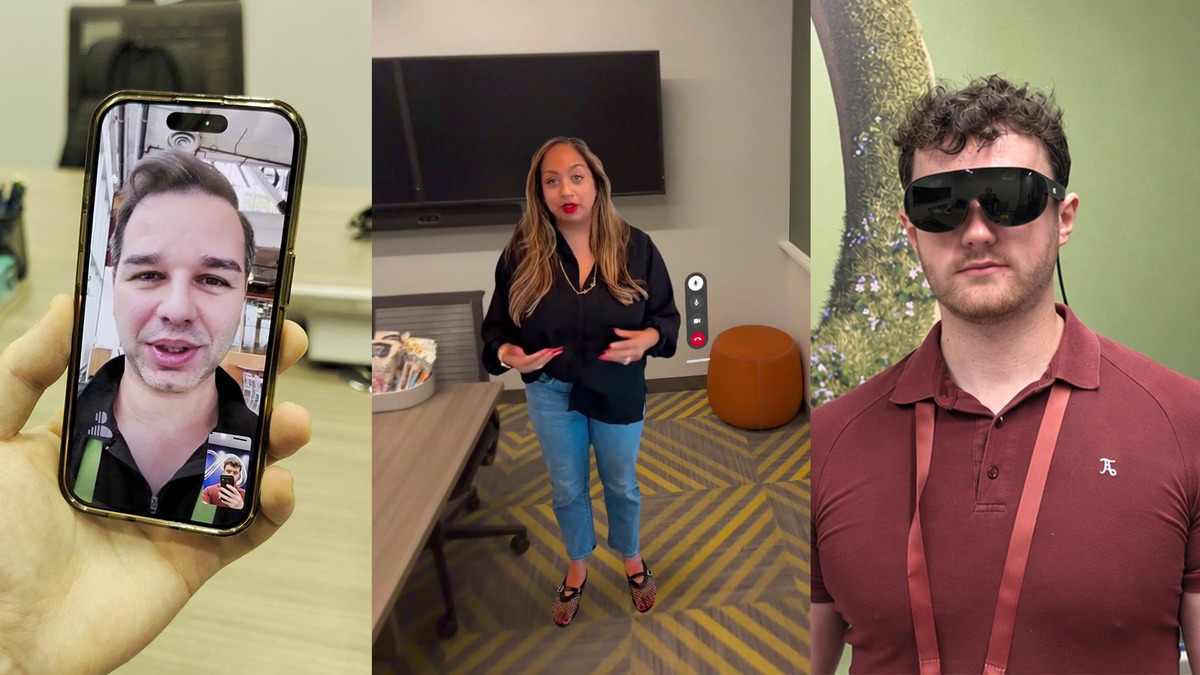
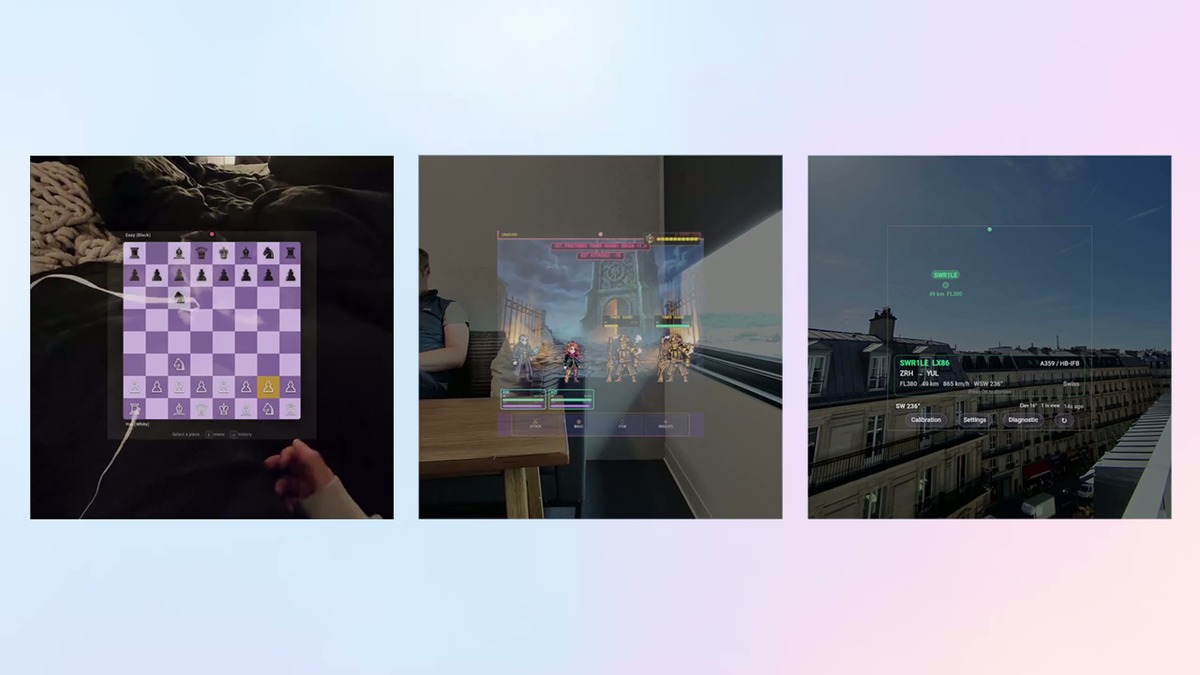
For developers, the most notable change is app discovery. Earlier this year Meta enabled visual web apps controlled by the Meta Neural Band, but finding them required tracking the right developers on social media or knowing third-party aggregators. Later this year, an Explore app on the glasses will surface and recommend what Meta considers the best experiences. Separately, the Hologram realistic avatar system rolls out this year to US owners in the Early Access program for WhatsApp video calls: you scan your face and provide about a minute of sample speech, then callers on WhatsApp video calls see a synthetic version of you whose facial expressions are derived entirely from the device's microphones.