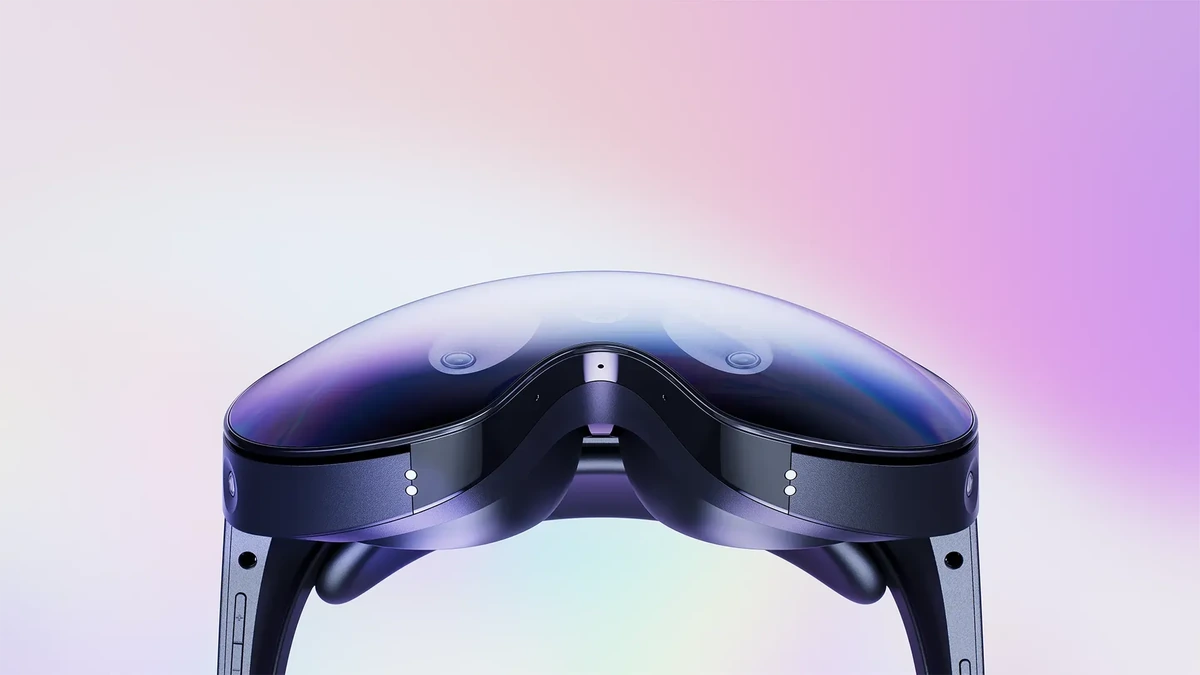
Meta confirms end of new feature development for Quest 2 and Quest Pro starting January 2027
 Public
- 03 Nov, 2026
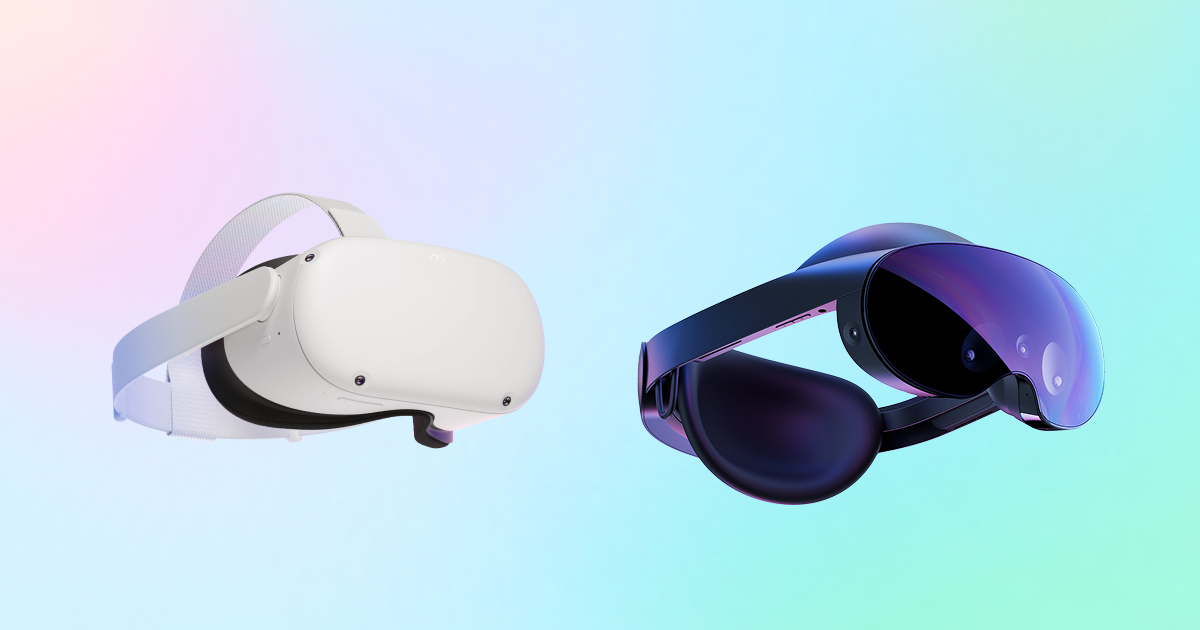
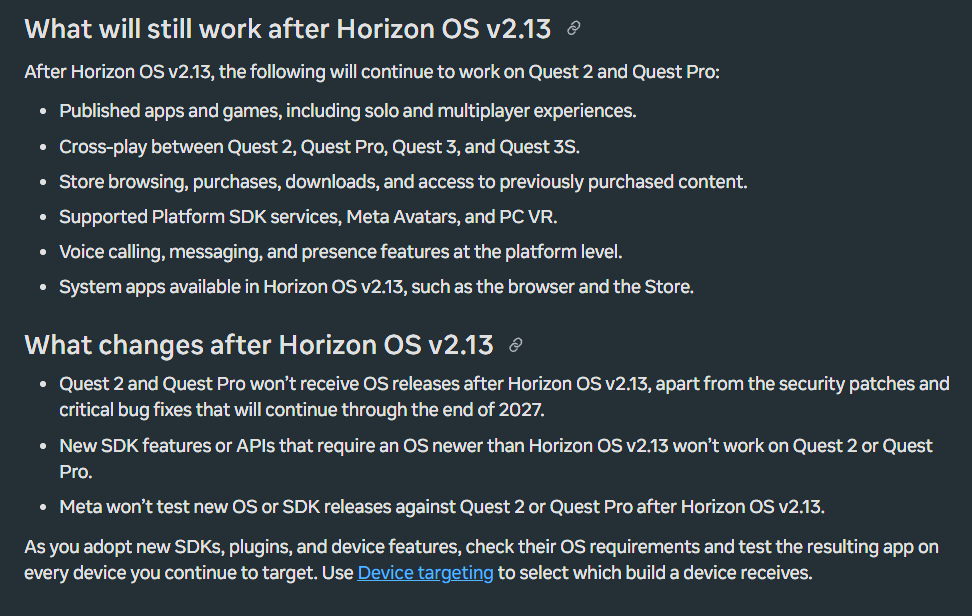
Meta has officially announced that the Meta Quest 2 and Meta Quest Pro will transition to end-of-feature status beginning in January 2027. This milestone marks the conclusion of major software development for these two standalone headsets. Horizon OS 2.13 is designated as the final operating system release for both devices. The rollout for this OS version is scheduled to start in January 2027 and is expected to reach all compatible hardware by March 2027. Concurrently, Meta VR OS SDK v213 will be the last supported software development kit for these platforms. While feature development ceases, Meta commits to providing quarterly security patches and critical bug fixes through the end of 2027.
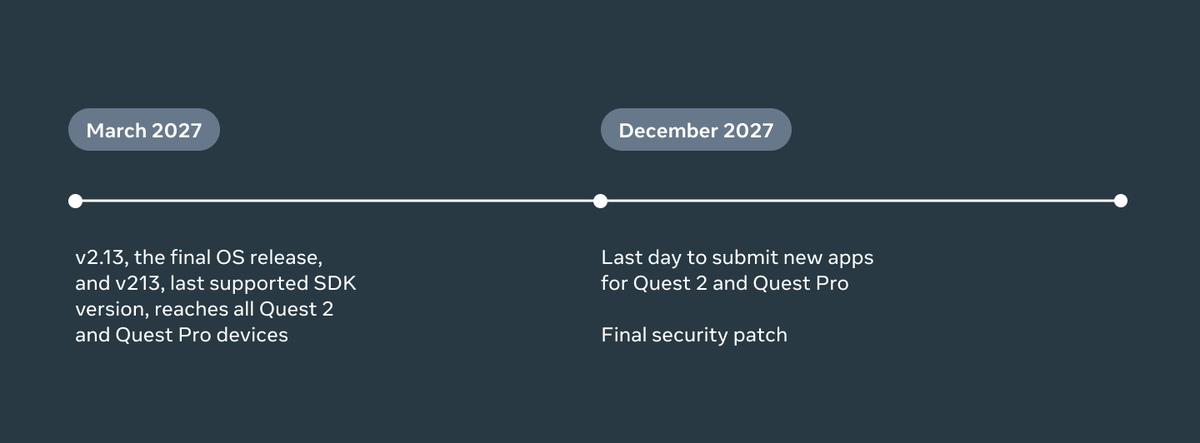
Developers should be aware that any new OS features, platform capabilities, or APIs introduced in releases following Horizon OS 2.13 will be exclusive to the Meta Quest 3, Quest 3S, and future devices. Meta will no longer test new OS or SDK releases against the Quest 2 and Quest Pro hardware. This separation ensures that the older devices remain stable but frozen in their current functional state. Existing applications and games will continue to function fully on the affected headsets. Users can still browse, purchase, download, and play their installed titles. Furthermore, cross-play remains intact: users on Quest 2 and Quest Pro can join multiplayer sessions with users on Quest 3 and Quest 3S, provided the specific game supports such cross-platform functionality.
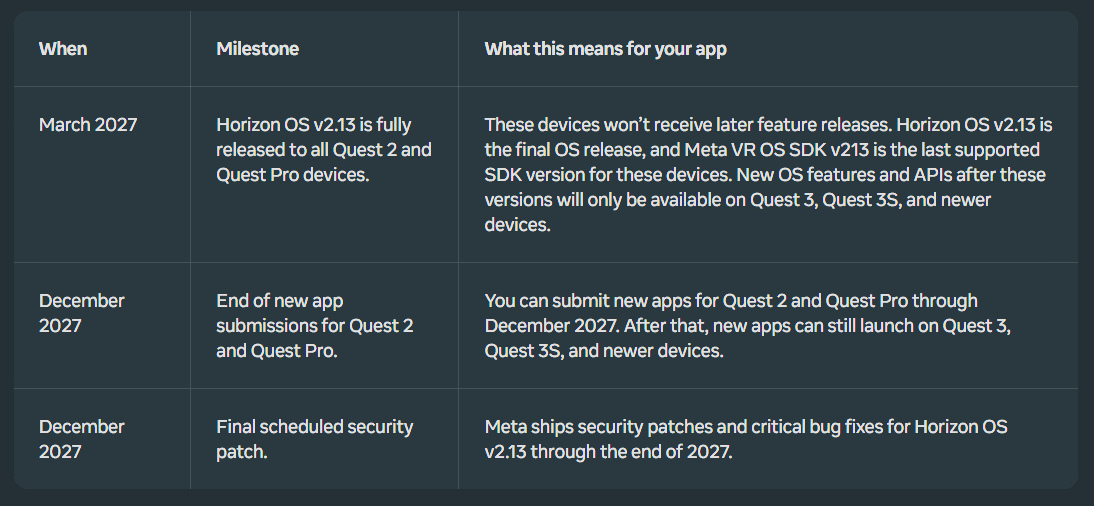
For developers, the submission window for new applications targeting Quest 2 and Quest Pro will close in December 2027. Updates to existing apps are permitted, but new submissions will no longer be accepted after this deadline. A critical compliance requirement obliges developers to notify users at least 180 days before ending support for these devices. This notice is required if discontinuing support would result in users losing access to content or essential services. To manage this transition, developers can use device targeting features to freeze a final build specifically for Quest 2 and Quest Pro. Additionally, the app submission flow allows developers to stop offering an app for sale on these devices, effectively removing it from the store for new customers on older hardware.
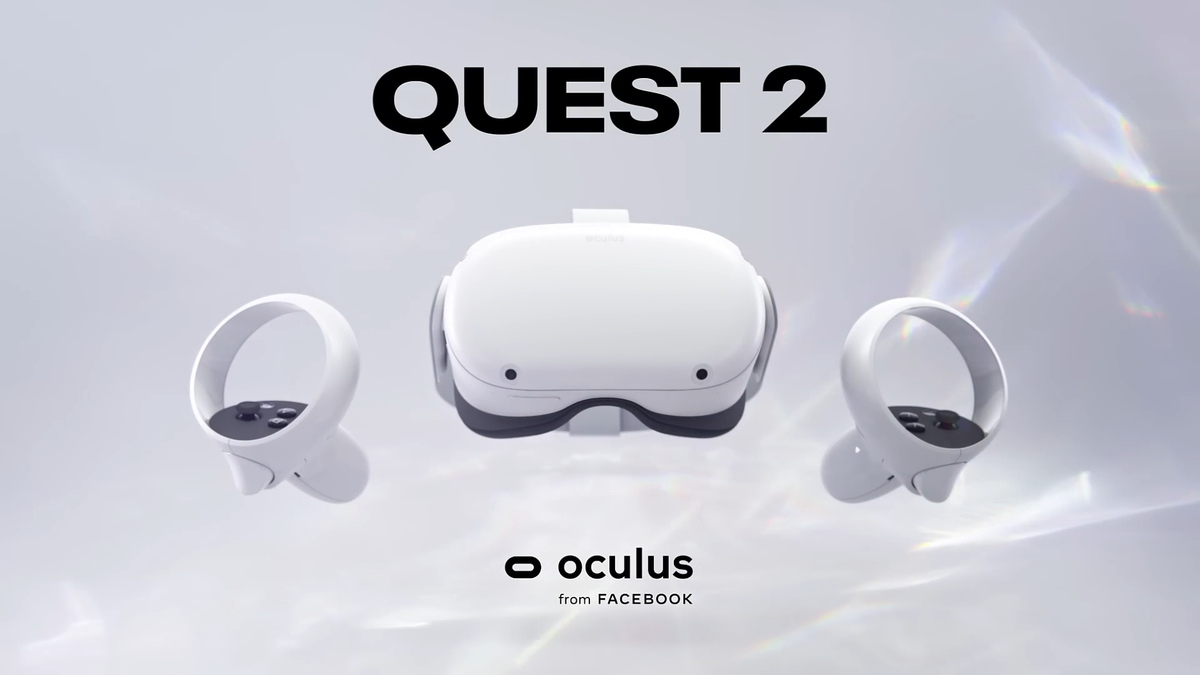
The Meta Quest 2, which launched in October 2020 as the Oculus Quest 2, achieved significant commercial success, outselling all its predecessors combined within six months of release. By March 2023, internal data suggested that Meta had sold nearly 20 million Quest headsets. In contrast, the Meta Quest Pro, launched in October 2022 at a price of $1,500, was technically impressive thanks to its pancake lenses and eye tracking, but is widely considered a commercial failure. Meta cut its price to $1,000 just four months after launch. The original plan for a direct successor, codenamed La Jolla, was canceled due to cost concerns. Instead, Meta is prioritizing the Meta VR Glasses, scheduled for spring 2027 at $1,300, which serve as a spiritual successor with a different form factor.
This end-of-feature timeline mirrors the deprecation path of the original Oculus Quest, which stopped receiving OS updates in February 2023 and ended security updates in August 2024. The transition of Quest 2 and Quest Pro marks the end of an era for Meta's older standalone VR devices. It paves the way for a new generation of hardware with distinct form factors and capabilities. Developers should plan their support strategies accordingly, ensuring that their applications remain compatible with the frozen SDK v213 and Horizon OS 2.13, while preparing for the exclusive availability of future features on the Quest 3 series and the upcoming Meta VR Glasses.