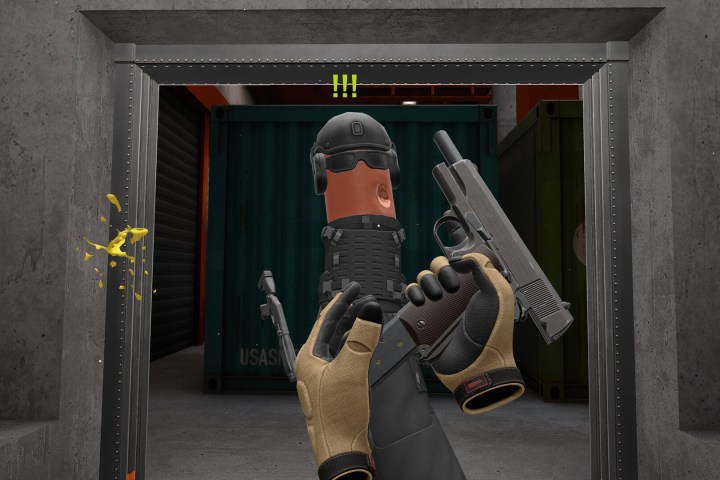
Meta earmarks more than $120 million for third-party VR games ahead of VR Glasses launch
 Public
- 17 Nov, 2026
In January 2026, Reality Labs, Meta's division, shifted its focus to wearables and AI and cancelled a number of Quest games that were in development, both first-party and third-party. Despite that, the company is still funding outside developers. As of October 1st, Meta had earmarked more than $120 million for third-party video games in active development. According to Chris Pruett, Director of Games at Meta, the money is committed through funding agreements. Most of it was paid out to developers this year or will be paid in future years as projects reach milestones.
There is no direct number to compare this against. In 2023, Meta said it had committed "hundreds of millions of dollars" over a decade to third-party content funding and specialized development support. Games take a long time to make, so part of the $120 million likely goes to projects that began before the pivot and, afterwards, either did not need additional money or did not qualify for it. Meta has not said how much new funding it has committed since early 2026.
Since Quest 3S launched in 2024, the Quest app ecosystem has relied more and more on in-app purchases, free-to-play social games, and recurring payments. There has been no new headset for two years, yet app revenue has held steady year over year. Every one of the Store's top 50 apps over the past 12 months earned more than $1 million after store fees. Hundreds of other apps brought in several hundred thousand dollars each over the same period. Social games such as Gorilla Tag lead the charts.

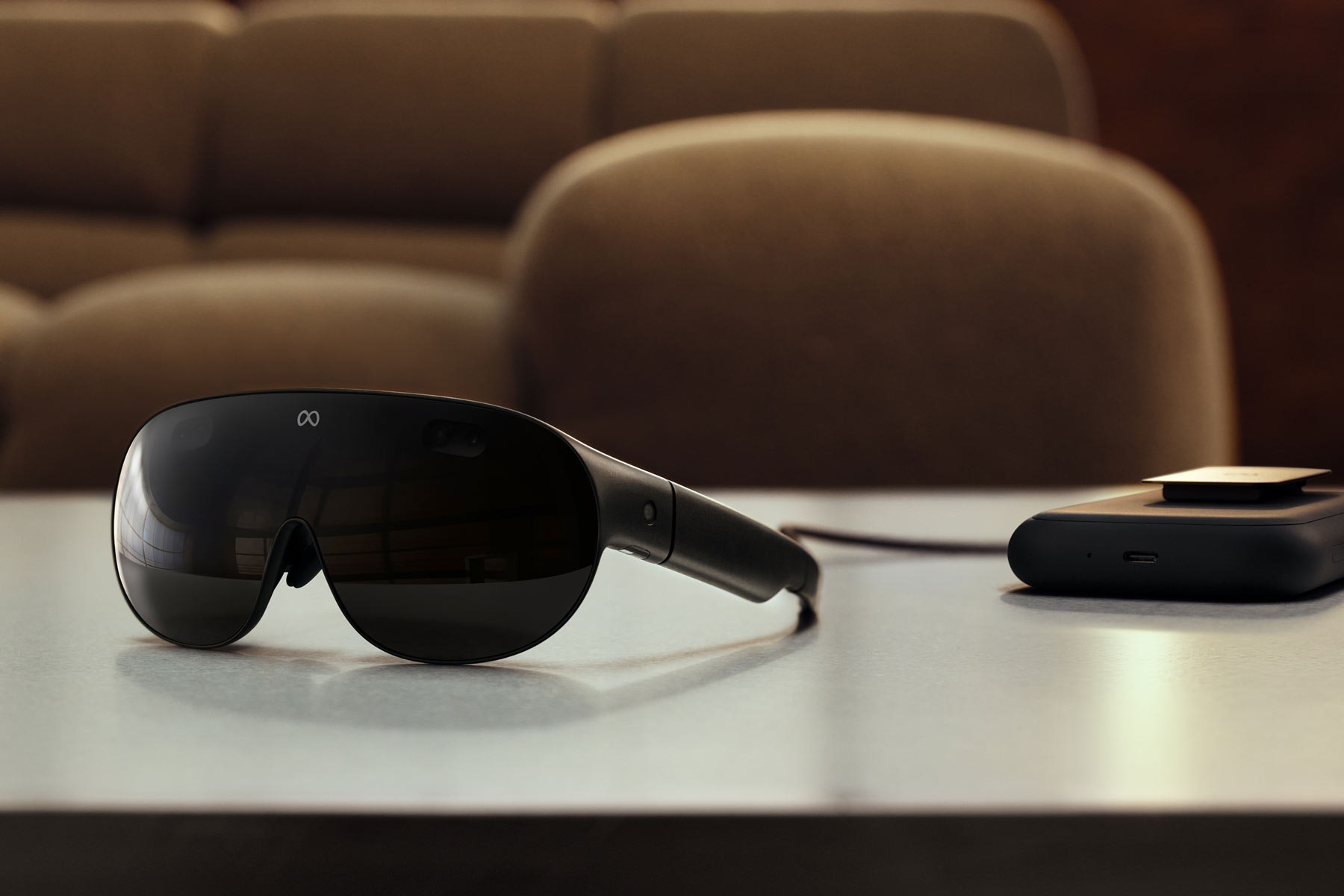
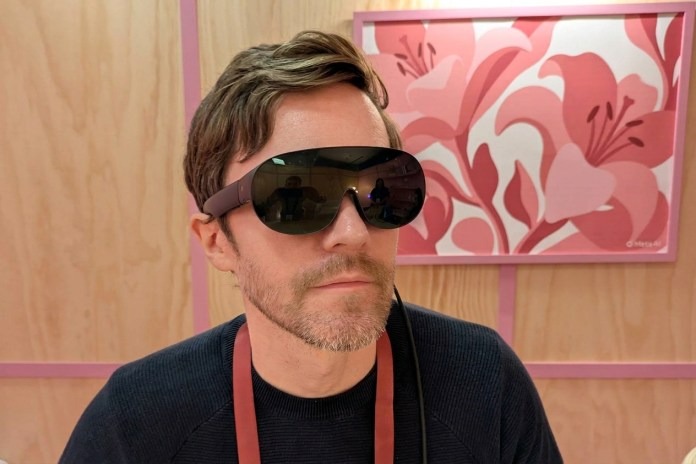
The audience is expected to change when VR Glasses launch in spring 2027 at $1,300. Meta expects games and apps on the device to be secondary, with watching entertainment content as the main use. The company also expects buyers to want to play seated, use their hands first and foremost for control, and choose "mid-core" games: easy to start playing, but hard to master. It is unclear how many of the funded projects are designed mainly for Quest. However, Meta has been urging developers to add hand-tracking input, which could let many games run on both Quest and VR Glasses without extra work.