Material Maker 1.8 Released with New Trimsheet and Auto Export Nodes
 Public
- 27 Oct, 2026
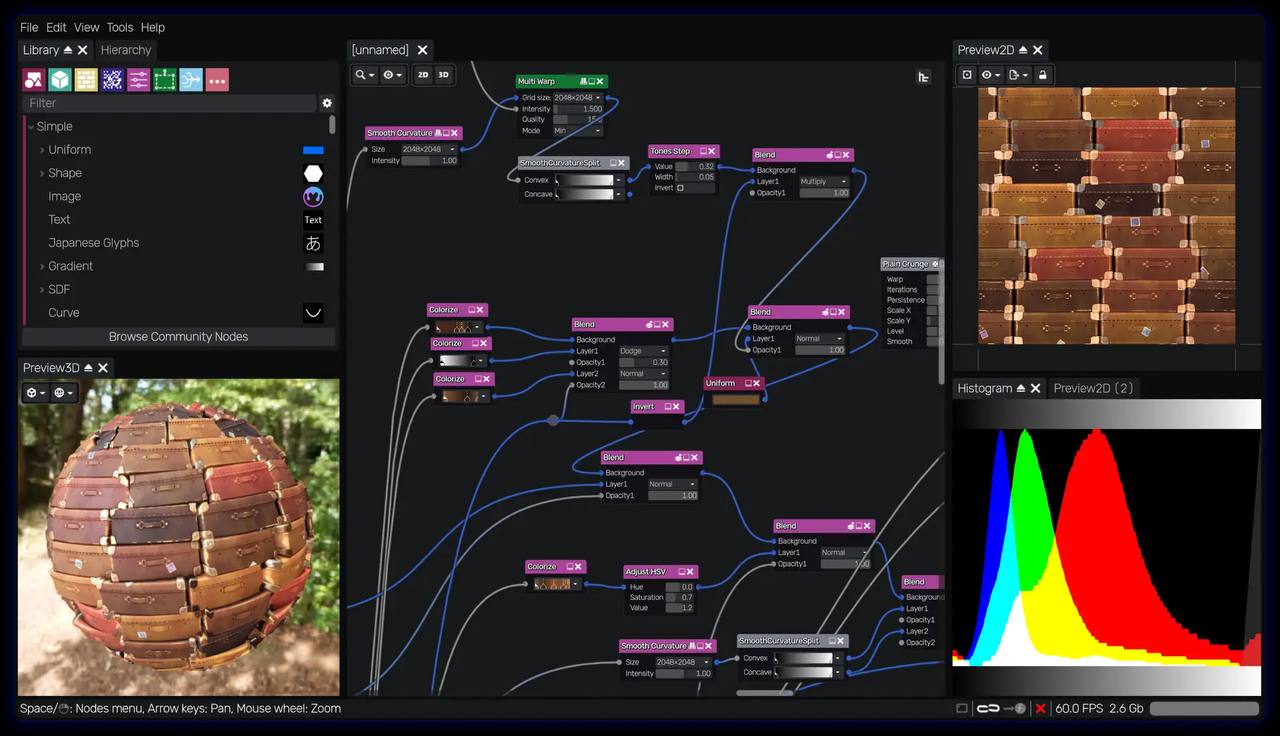
Rod Zilla has released version 1.8 of Material Maker, an open-source node-based software designed for procedural material authoring and 3D texture painting. Built on the Godot engine, this tool serves as a free alternative to industry standards like Substance 3D Designer. The update focuses on enhancing workflow efficiency for game artists by introducing specialized nodes that streamline the creation and export of texture assets directly into game engines.
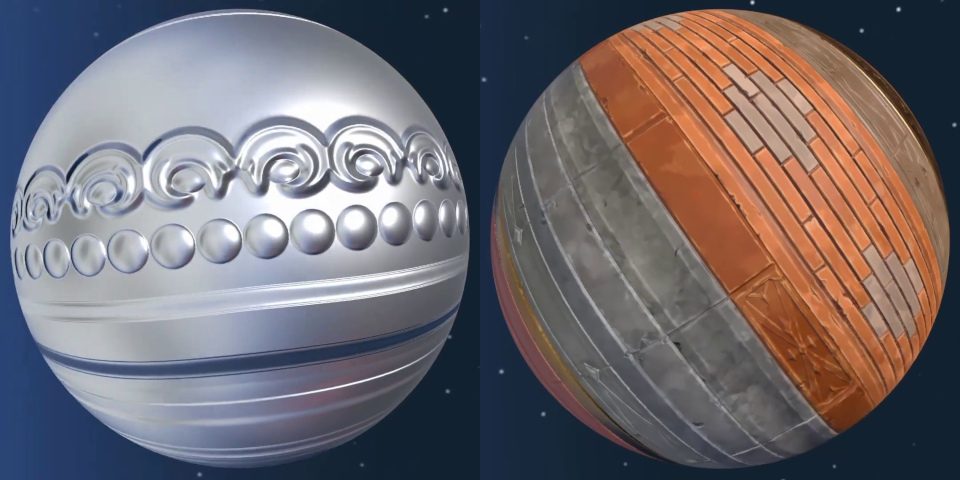
The primary addition in this release is the Trimsheet node, which allows users to generate trim sheet textures specifically for game applications. This feature addresses a common need in game art pipelines where repetitive textures are packed into single maps for efficient rendering. Alongside this, the new Auto Export node automatically re-exports texture maps whenever the underlying node graph is updated. This automation removes the manual step of triggering exports after every change, significantly speeding up the iterative design process for developers working with complex procedural setups.
Additional improvements include a Crop node and a high-quality Gaussian Blur node, expanding the library of available tools for texture manipulation. The user interface has also been refined: search now works not only across top-level nodes but also within sub-nodes, which makes navigating complex graphs easier. A new UI theme with a custom base color option provides further customization. The software continues to support exporting PBR texture maps with ready-made templates for Unity, Unreal Engine, and Godot, ensuring seamless integration into major game development environments.
Material Maker 1.8 is available for download on Windows, Linux, and macOS. The source code is hosted on GitHub under the MIT license, which guarantees full transparency and allows the community to contribute to the project. Compiled binaries can be downloaded for free from the developer's itch.io page. Ongoing development can be supported through Patreon or by purchasing the software on Steam. The tool remains a robust option for artists seeking a capable, free solution for procedural texture generation and 3D painting without proprietary licensing restrictions.