How a defense training studio has maintained 3D digital twins in Unity for decades
 Public
- 12 Nov, 2026
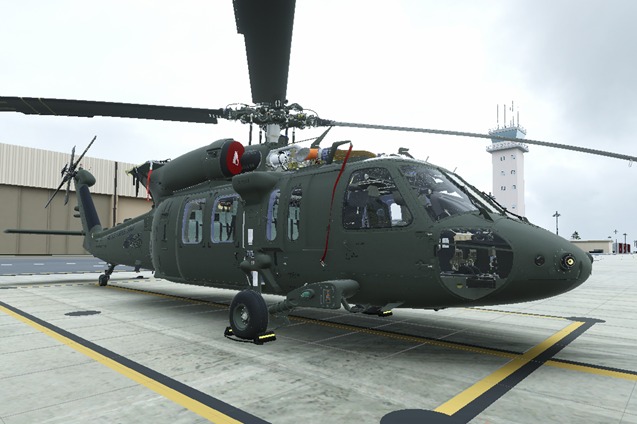
i3 Corps develops virtual training and engineering productivity tools for US government customers. The company has built hundreds of training scenarios in Unity, covering most of the aviation training it supports as well as Navy platforms and ground vehicles. These applications reach classrooms on military installations through a government-owned distribution platform the company built, running in a secure government cloud. The real complexity, however, sits not in the apps but underneath them, in the 3D library.
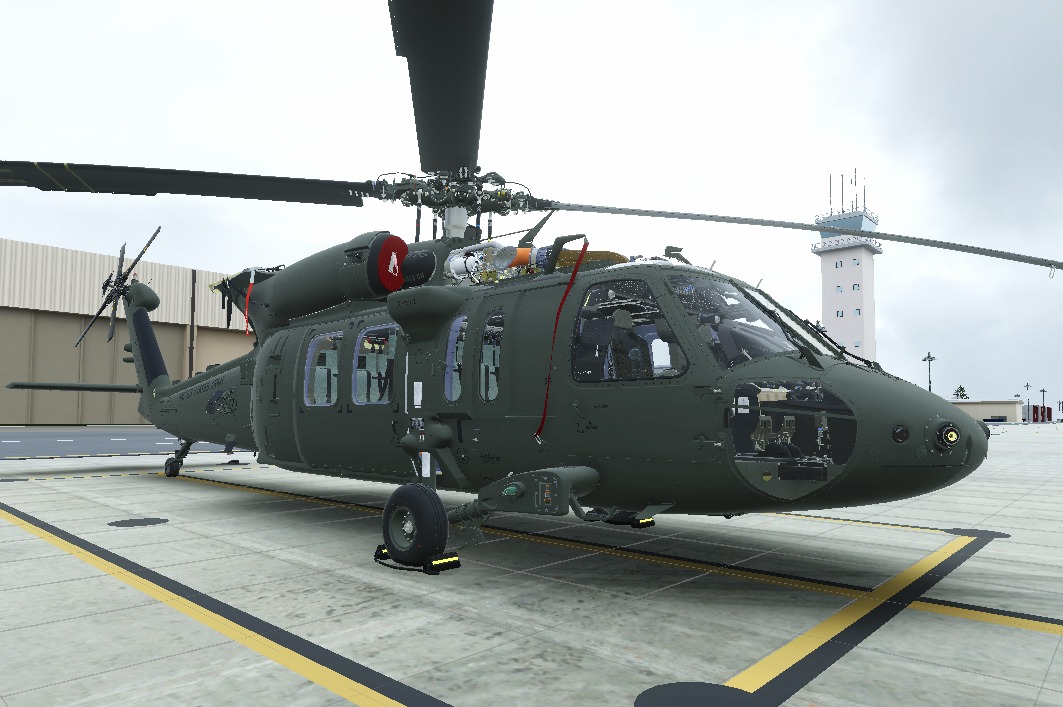
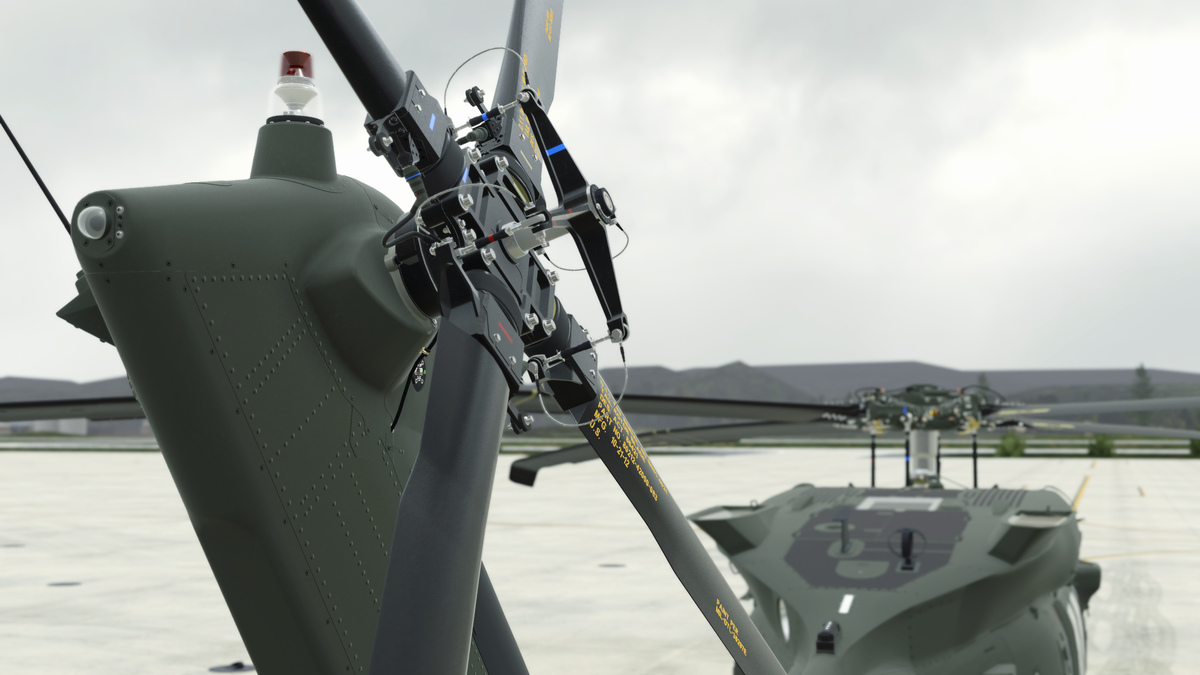
Unlike typical 3D work, where an asset is done once the product ships, these models are digital twins of physical equipment that keeps changing. New components enter service, manufacturers revise parts, and customers send fresh CAD packages. One aircraft model alone contains 80,000 components, down to nuts and bolts. The team adds ten to fifteen models a year, each beginning a maintenance cycle of eight or nine years. Every new batch of engineering data raises the same questions: which parts it supersedes, which model it updates, and which deployed applications depend on that model. Provenance matters too: models are built from CAD data from various sources and from in-house photogrammetry, where a single capture trip can yield millions of photos of one vehicle.

Variants multiply the problem. The UH-60 Black Hawk exists in US Army versions UH-60A, L, M and V, the HH-60M MEDEVAC, and special operations aircraft, plus Navy, Air Force and international configurations. Most share the fuselage, tail boom, rotor assemblies and landing gear. The UH-60V keeps much of the L airframe but has a digital cockpit, and the HH-60M is a UH-60M with added medical and mission systems. Rather than modeling each variant from scratch, the approach is a common baseline of reusable components, with each variant adding only its differences in structure, mechanical systems, avionics or mission equipment.
Storage is another hard constraint. Government machines may be older, heavily secured and capped on disk space, yet one classroom PC may hold every course for a platform. If models were baked into each build, that would mean hundreds of gigabytes of largely identical geometry. Unity Addressables solves this: models live in a catalog, load on demand and are cached locally, so an asset used by fifteen apps is stored once. Applications change only when their code does, and developers don't need the full library locally to assemble a scene. Security classification dictates where an asset may live: classified material never touches the cloud, while CUI can, but must be wrapped to prevent extraction. Ownership, whether a model belongs to i3 or to the government, determines whether it can be reused on future contracts.

Commercial asset management platforms either didn't fit the data model or were sold on terms impractical for government contracts, and no option existed for a government cloud. A homegrown system, a database and search layered on existing version control and automation, helped find assets, but engine integration, pipeline automation, dependency tracking and indefinite maintenance could no longer be justified. So the company deployed Unity Asset Manager in a government cloud environment, letting artists and developers stay inside Unity. The catalog already answers what has been modeled, where it's used, whether access is restricted and who owns it.
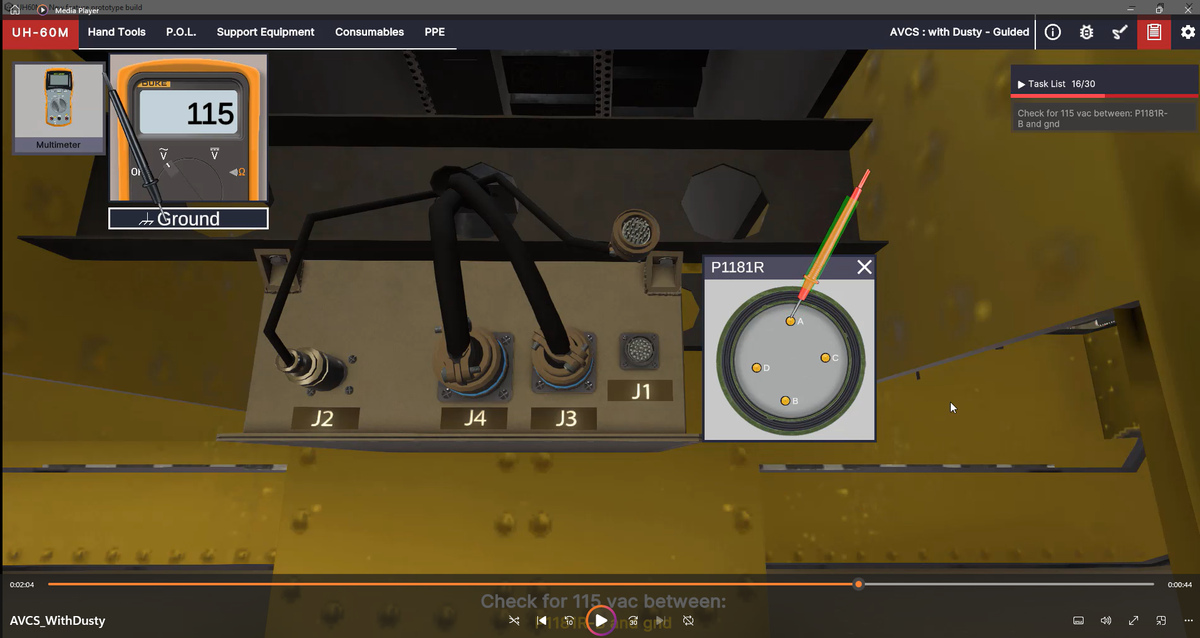
The open challenge is volatility: ten art teams change assets every week or even every day, and each change ripples through long dependency chains behind complex maintenance animations. The goal is to tell artists precisely what changed instead of reversioning everything that depends on the change. i3 Corps is working with Unity on it. The stakes extend further: the government holds vast amounts of CAD and parametric data in which it is practically impossible to find anything, while demand shifts toward simulation, visualization and AI-assisted content generation. All of this requires a searchable library that machines can query too.