A PC vs. console debate unexpectedly turned into a fascinating lecture on what a computer is
 Public
- 08 Jul, 2026
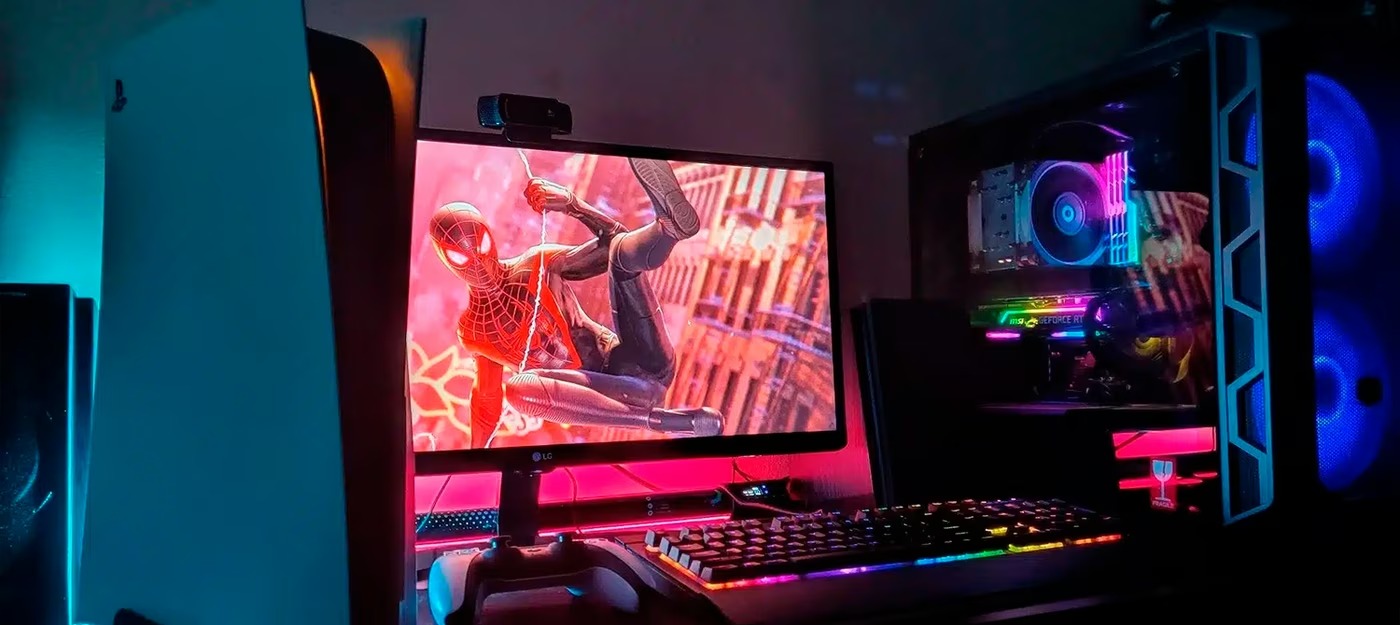
Debates over which is better, a gaming PC or a console, have long been part of gaming culture. However, one recent argument between two friends unexpectedly went far beyond the usual comparison of performance, graphics, and exclusive games. Instead of trading arguments, the conversation turned into a detailed discussion of what a computer actually is and why modern game consoles also belong to this category of devices.
Discussions like this once again showed how closely technology, gaming platforms, and software architecture are intertwined today.
Why a Console Is Also a Computer
From a technical standpoint, modern game consoles are specialized computers. They are equipped with a central processor, a graphics accelerator, RAM, data storage, network modules, and their own operating system.
The main difference lies not in the hardware foundation, but in the approach to using the device. While a personal computer is designed for a wide range of tasks, from software development to graphics processing and working with artificial intelligence, consoles are optimized primarily for running games and multimedia applications.
PCs and Consoles: Different Approaches to the Same Result
Each platform has its own advantages.
Personal computers offer:
- flexible component upgrades;
- a wide selection of peripheral devices;
- support for professional software;
- the ability to develop games and applications;
- more fine-grained performance tuning.
Game consoles, in turn, provide:
- ease of use;
- uniform technical specifications for all users;
- a high degree of game optimization;
- minimal setup requirements;
- stable performance without the need to upgrade components.
That is why the choice between a PC and a console more often depends not on raw power, but on usage scenarios and the player's preferences.
Why such debates never lose their relevance
The gaming industry is evolving so fast that the boundaries between different platforms are gradually blurring. Many modern games launch on both PC and consoles at the same time, and support cross-platform play and cloud saves.
In addition, the architecture of modern game consoles increasingly resembles that of classic personal computers. The use of x86 processors, modern graphics solutions, and high-speed SSDs has greatly simplified the development of multiplatform projects.
Technology Unification Is Changing the Industry
Modern game engines make it possible to create projects for several platforms at once without having to rewrite the code completely. This significantly shortens development time and makes games available to a wider audience.
The same principles apply when creating VR, AR, and XR applications, where special attention is paid to compatibility, optimization, and the ease of scaling a project for various devices.
The Cyborgs.pro Perspective
The Team Cyborgs.pro views personal computers, game consoles, VR headsets, mobile devices, and AR platforms as parts of a single digital ecosystem. Modern development is increasingly built on a multiplatform approach, which makes it possible to create apps and games that run on a variety of devices while maintaining a high-quality user experience.
Using game engines, modern graphics APIs, cloud services, and cross-platform technologies makes it possible to develop projects that run equally well on PCs, mobile devices, VR headsets, and other digital platforms. This kind of versatility is becoming one of the key directions in the development of the modern gaming industry and interactive technologies.