AGNTCon Europe: Governance and Reliability in Agentic AI Development
 Public
- 14 Oct, 2026
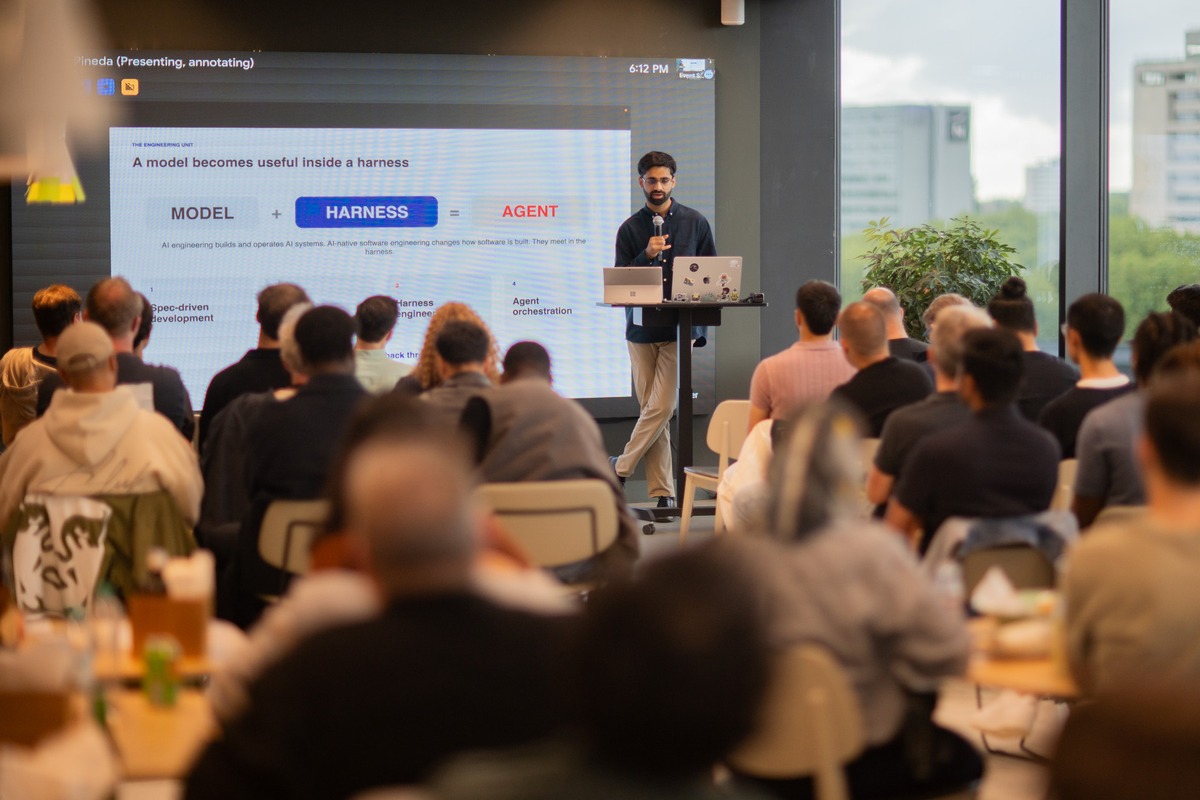
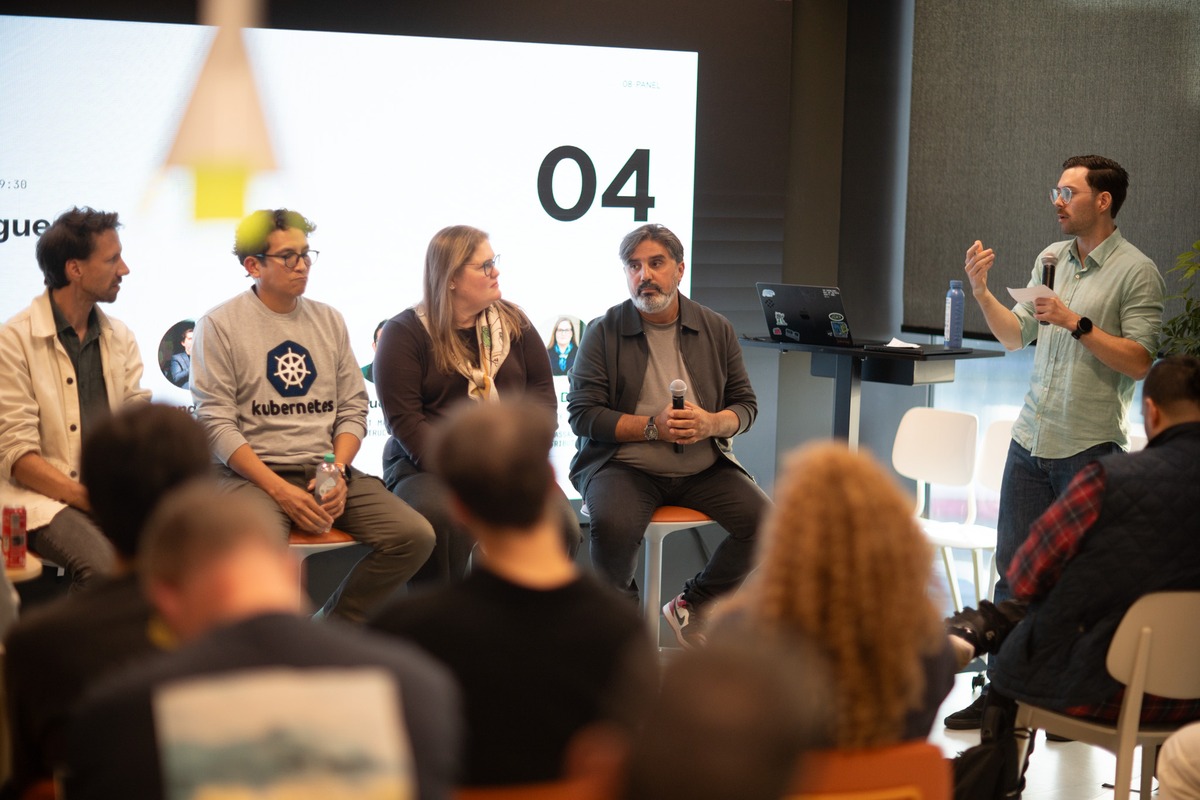
The eve of AGNTCon and MCPCon Europe featured a high-demand community meetup at the JetBrains office in Amsterdam, where the Agentic AI Foundation gathered to discuss governance in open source. The central question was how to manage conflicts when companies, maintainers, and contributors have diverging interests in shared projects. Panelists Nick Veenhof from GitLab, Alessandro Vozza from VOLT Datacenters, and Miguel Luna from JetBrains explored this dynamic, emphasizing that while financial support is essential for infrastructure, decision-making power rests on earned trust. This trust is built through consistent, transparent work rather than monetary investment. This principle remains vital as agentic systems introduce new layers of complexity to project management and community interaction.
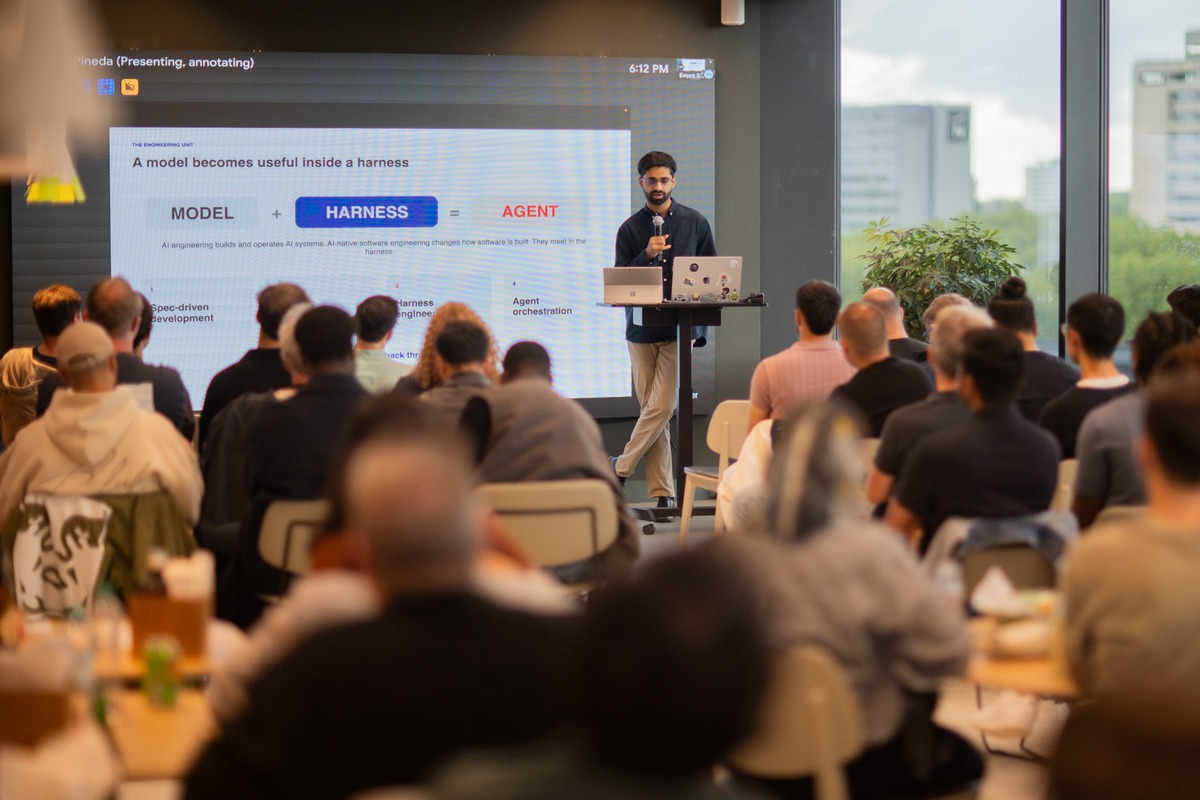
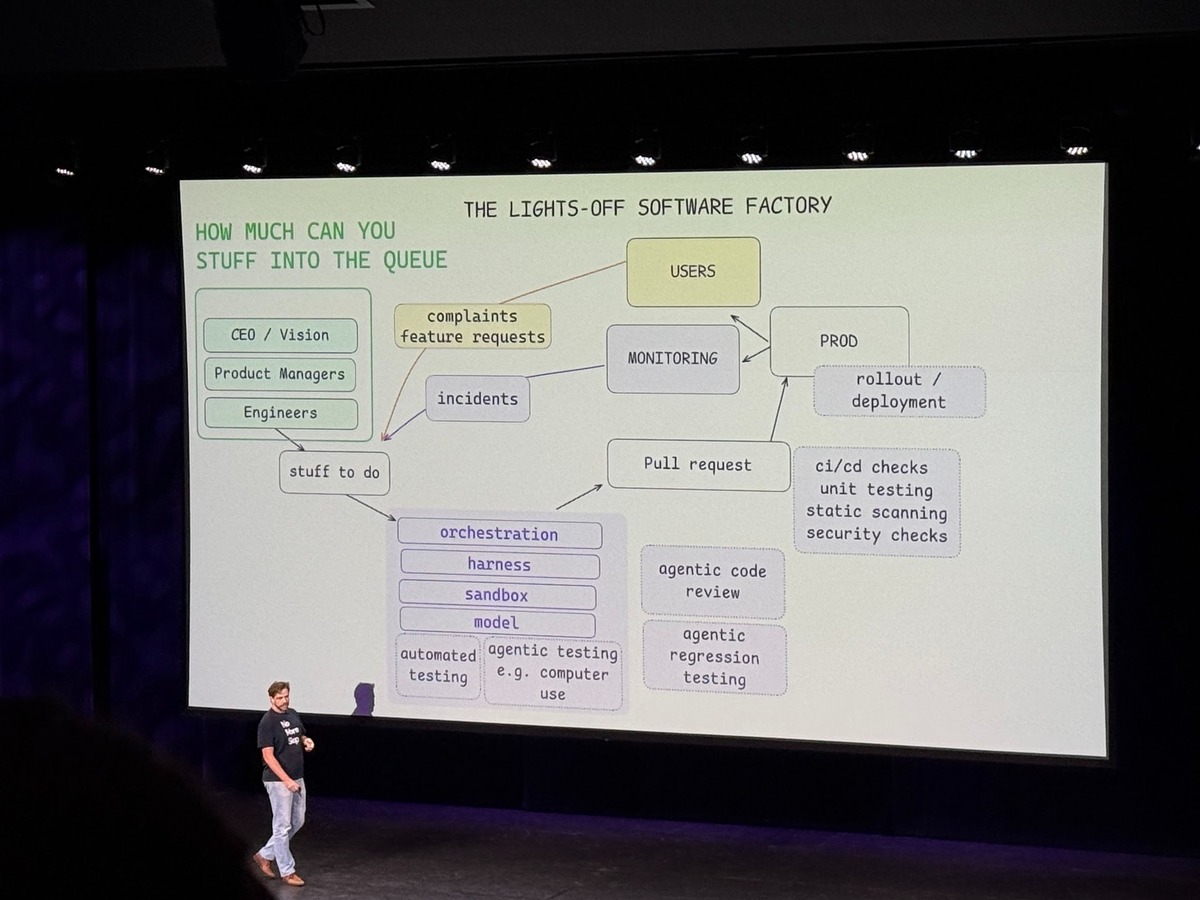
A significant theme emerging from the conference is the quality crisis in AI-generated content and code. Many talk proposals and open-source contributions are now AI-generated, polished, and interchangeable. As a result, maintainers have to spend time explaining previously settled decisions rather than building. Dexter Horthy of HumanLayer argued in his keynote that code from unattended agents degrades over time, necessitating a return to human-led planning and rigorous code review. He proposed integrating agentic code review and regression testing into production pipelines, noting that human review remains the primary bottleneck. The consensus is that the hardest part of development is no longer writing code, but understanding and taking accountability for what agents produce. This was vividly illustrated by startups showcasing agent-generated bugs on the show floor.
Nick Veenhof's talk provided a stark look at the reliability challenges of multi-agent systems. He described a personal setup with thirteen specialist agents and one orchestrator, detailing specific failures where tests passed despite broken underlying wiring. Notable incidents included a background job stopping for forty-six days without alerts and an agent producing eighty fabricated data points that took two hours to detect. These examples underscore that a complete but incorrect output is more dangerous than a partial but honest one. Veenhof is documenting these failures publicly to help the community learn, highlighting that transparency about errors is crucial for building trust in agentic workflows and ensuring that developers remain vigilant about the integrity of automated processes.
The conventions for agent connectivity, tracing, and security are currently being defined in open working groups that welcome non-coders. Much of this work involves creating threat models and governance documents rather than writing code, making it accessible to a broader range of participants. Openness is critical because agentic development will not rely on a single model or vendor stack; teams will mix technologies, requiring systems that support this diversity while maintaining accountability. JetBrains Air, announced shortly after the conference, reflects this thinking by supporting such flexible, multi-vendor environments. Participation in these standards-setting groups is encouraged, as the decisions made there will directly impact how developers build and manage agentic systems in the near future.