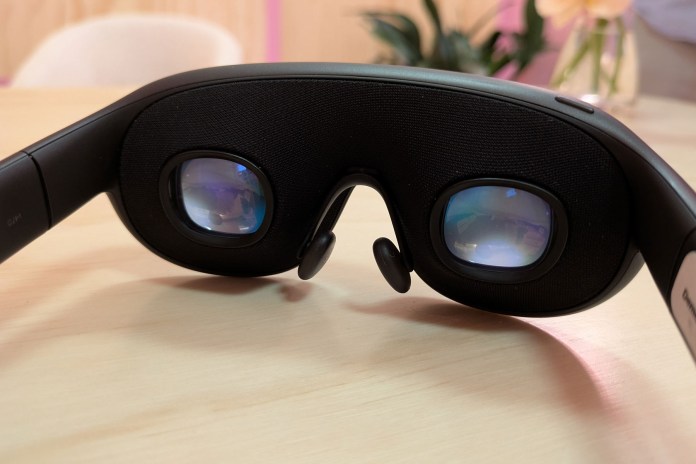
WebXR tool lets you compare Meta VR Glasses' 70° FOV with Quest 3 before you buy
 Public
- 05 Oct, 2026
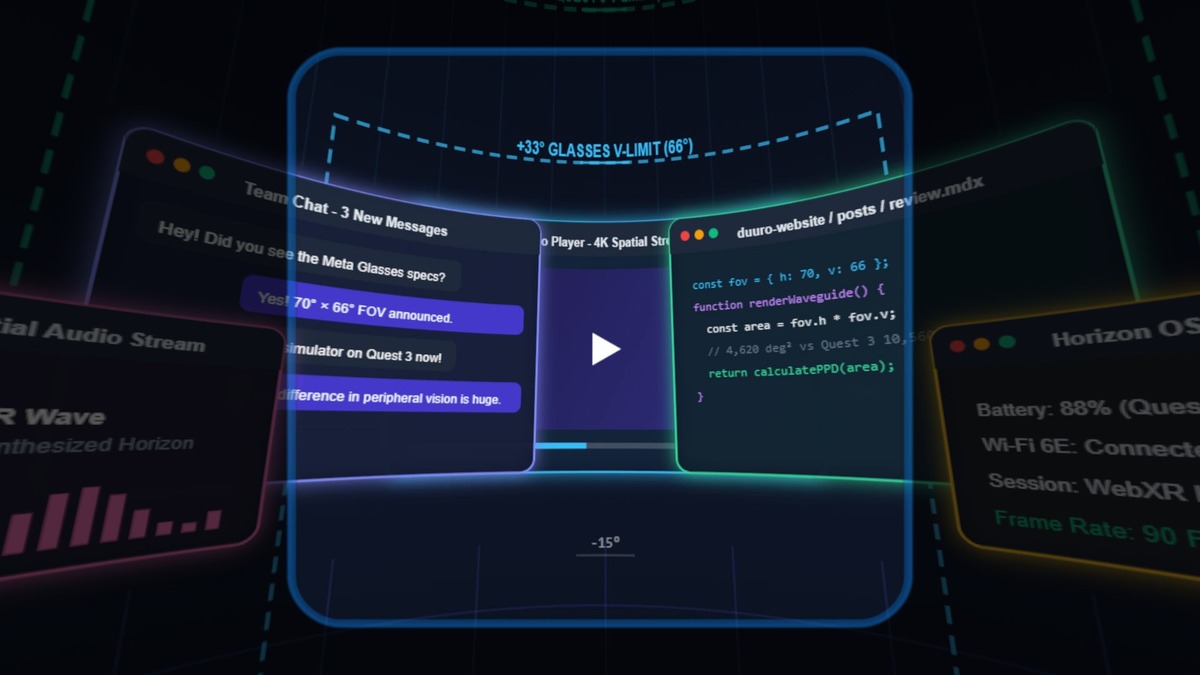
Meta's VR Glasses, announced at Connect last month, aim at productivity and casual content through high-pixel-density micro-OLED displays, but they deliver a noticeably lower field of view that is hard to judge from specs alone: it's a "see it to believe it" difference. The tethered headset, weighing roughly 100 g on the head, ships in Spring 2027 at $1,300. Before upgrading, you can evaluate its FOV yourself with a WebXR app from Duuro Plays that runs on Quest 3 and swaps between Quest 3's full FOV and the VR Glasses' reported FOV.
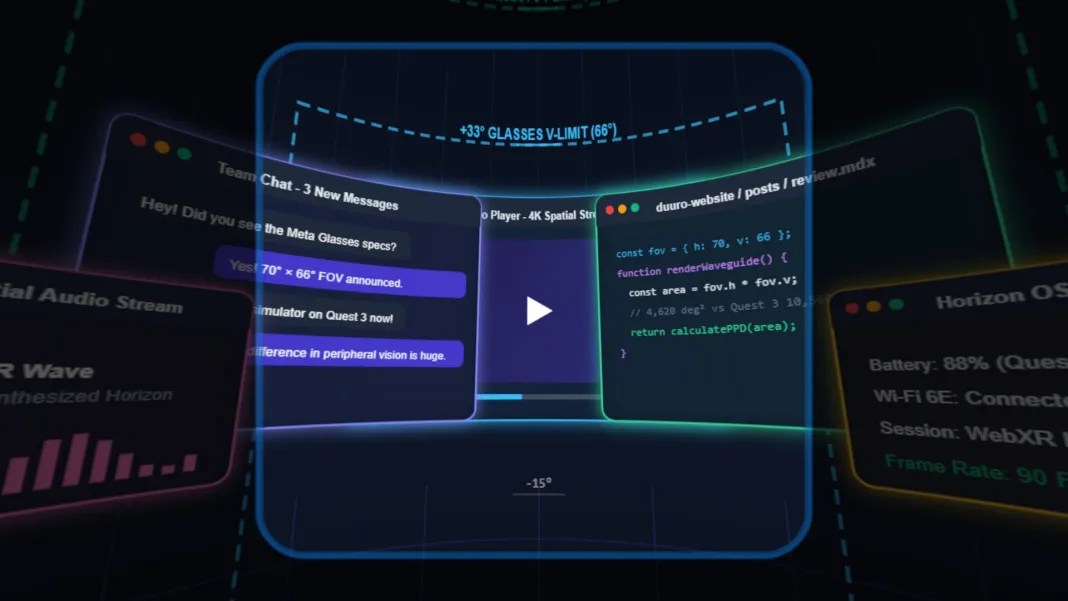
For reference, Quest 3 offers 110° horizontal × 96° vertical, about 119° diagonal, while VR Glasses offer 70° horizontal × 66° vertical, roughly 88° diagonal. The app opens directly in Quest's native browser. If you don't have a Quest 3, Meta has published its own developer tool with a short demo clip. Quest 3's larger FOV comes from bulkier pancake lenses set roughly 40 mm from large LCD panels; with the battery and compute, the headset totals 515 g.

One correction: unlike the tool creator's explanation, Meta VR Glasses also use pancake lens optics, only smaller and paired with micro-OLED panels, not silicon carbide waveguides. The creator confused VR Glasses with Meta's Orion AR glasses prototype.